
To understand ethical fashion labels without guessing, look for official certifications like Fair Trade or organic labels from reputable organizations. These verify claims about fair wages, safe working conditions, and sustainable materials. Always check a brand’s transparency on sourcing and manufacturing processes, and be cautious of vague buzzwords. By focusing on certified and transparent brands, you guarantee your choices truly align with your values. Keep exploring, and you’ll uncover even more ways to make informed, ethical fashion decisions.

Get beauty and skincare favorites delivered free with Prime
- Fast, free delivery on millions of items
- Prime Video, Amazon Music and more included
- Member-only deals all year
Key Takeaways
- Verify labels with reputable certifiers like Fair Trade, Organic, or Global Organic Textile Standard (GOTS).
- Research the certifying organizations to ensure their credibility and standards.
- Look for detailed transparency about sourcing, manufacturing, and environmental impact.
- Be cautious of vague or unsubstantiated claims and avoid reliance on buzzwords.
- Prioritize brands that openly share supply chain information and demonstrate verified ethical commitments.
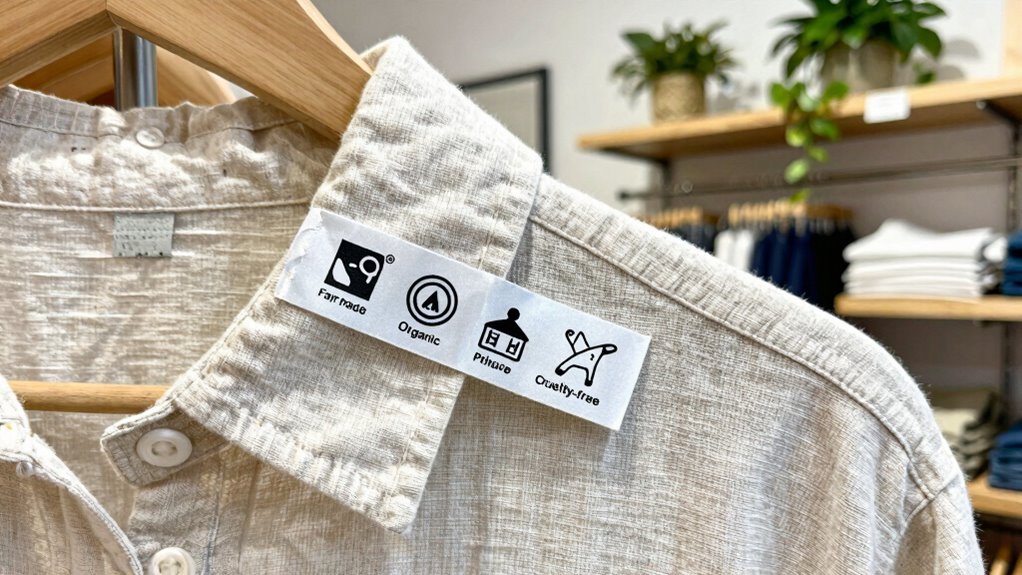
Have you ever wondered what those labels like “Fair Trade” or “Organic” really mean? It’s easy to see these tags and feel confused about what they guarantee. The truth is, many labels aim to tell you about a product’s ethical and environmental impact, but not all are straightforward. To truly understand ethical fashion labels, you need to look beyond the shiny tags and dig into what they stand for. For example, when you see a label claiming clothing is made from sustainable materials, it signifies that the fibers used come from sources designed to reduce environmental harm. These materials often involve eco-friendly farming practices, less water or chemical use, and better waste management. Knowing this helps you choose brands committed to reducing their ecological footprint.
Understanding labels like Fair Trade and Organic helps you make informed, ethical choices beyond marketing claims.
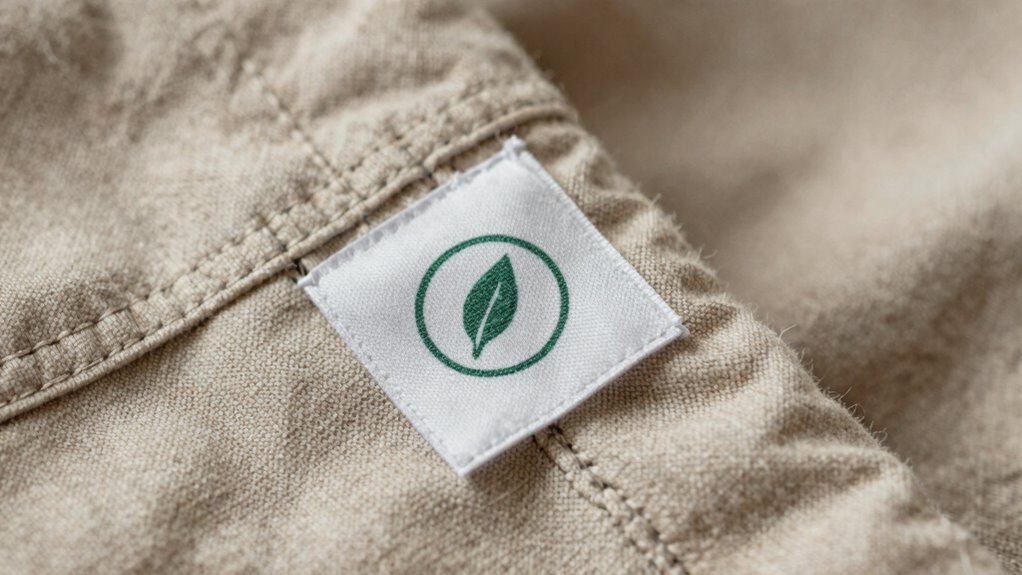
Fair trade certifications, on the other hand, focus on ensuring fair wages, safe working conditions, and community development for the workers involved in making your clothes. When you see a fair trade label, it means the product has been certified by an independent organization that verifies these conditions are met. This label guarantees that the workers are paid fairly, work in safe environments, and contribute to their community’s growth. Recognizing these certifications helps you support brands that prioritize social justice and fair labor practices. But don’t just stop at the label — do some research on the certifying body to verify its credibility.
Understanding these labels also involves being aware that some brands may use buzzwords or vague claims to appear more ethical than they really are. That’s why it’s important to check for certifications and ask questions. Look for well-known, reputable certifiers for fair trade, organic, or sustainable claims. Additionally, explore a company’s transparency about their sourcing and manufacturing processes. Many ethical brands provide detailed information about their supply chains, environmental goals, and community initiatives, which can give you more confidence in your purchase.
Ultimately, becoming a conscious consumer means educating yourself about what these labels mean and what they don’t. You don’t have to guess or rely solely on marketing language. Instead, focus on verified certifications, the use of sustainable materials, and the brand’s overall transparency. By doing so, you can make informed choices that align with your values and support a more ethical and sustainable fashion industry.
As an affiliate, we earn on qualifying purchases.
Frequently Asked Questions
How Do Ethical Labels Impact the Price of Clothing?
Ethical labels often increase clothing prices because they promote transparency issues and guarantee fair wages, sustainable materials, and ethical production. As a consumer, you build trust with brands that prioritize these values, even if prices are higher. While the cost may be higher, you’re supporting responsible practices. This transparency reassures you that your purchase aligns with your values, ultimately fostering loyalty and encouraging brands to maintain ethical standards.
Are All Eco-Friendly Fabrics Truly Sustainable?
Not all eco-friendly fabrics are completely sustainable, but many are better choices. You should look for brands prioritizing supply chain transparency, so you know where materials come from and how they’re produced. Your consumer awareness helps you make informed decisions, supporting truly sustainable options. Remember, sustainability involves considering production methods, resource use, and social impact, not just the fabric type. Stay curious and ask questions to find genuinely eco-friendly fabrics.
Can Ethical Labels Guarantee Fair Labor Practices?
Ethical labels can’t guarantee fair labor practices completely, but they do indicate a commitment to labor rights and transparency standards. While no label is foolproof, choosing brands with clear, verifiable claims improves your chances of supporting fair wages and safe working conditions. Remember, it is crucial to research each label’s standards, as transparency and genuine efforts toward ethical labor practices make a significant difference in ensuring fairness across the supply chain.
How Often Do Ethical Labels Change Their Standards?
Ethical labels can change their standards periodically to stay aligned with evolving industry practices and transparency goals. You should stay updated because fashion transparency and consumer awareness are key. Regularly check the label’s official website or trusted sources to see if standards have changed. This way, you maintain informed decisions and support brands committed to genuine ethical practices, ensuring your choices reflect your values.
What Certifications Are Most Reliable for Ethical Fashion?
You’re lucky because certifications like Fair Trade, GOTS, and B Corp are your best bets for reliable ethical fashion. They emphasize supply chain transparency and hold credibility with strict standards. When shopping, look for these labels to verify the brand upholds fair labor practices, environmental sustainability, and genuine transparency. Trust these certifications, as they’re backed by rigorous audits, making your choices more responsible and confident.
As an affiliate, we earn on qualifying purchases.
Conclusion
Think of ethical fashion labels as a map guiding you through a jungle of choices. By knowing what each label stands for, you can navigate confidently, avoiding hidden traps of unethical practices. When you understand these symbols, you become a savvy explorer, making mindful decisions that respect people and the planet. So, next time you shop, let these labels be your compass, leading you toward a more ethical and sustainable wardrobe.
GOTS certified sustainable fashion
As an affiliate, we earn on qualifying purchases.
As an affiliate, we earn on qualifying purchases.
ethical fashion transparency report
As an affiliate, we earn on qualifying purchases.
As an affiliate, we earn on qualifying purchases.
Columbus Day / Indigenous Peoples' Day Picks
long weekend sales
As an affiliate, we earn on qualifying purchases.