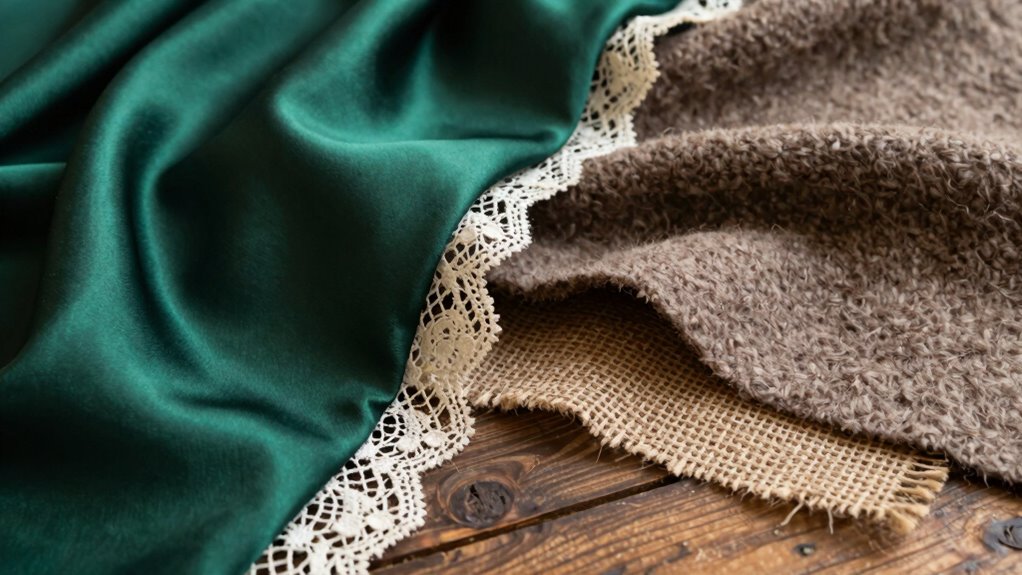

Your fabric choice impacts your wardrobe’s longevity, your health, and the environment more than you might realize. Durable, high-quality fabrics like organic cotton or hemp last longer and resist wear, saving you money and reducing waste. Eco-friendly fibers use fewer chemicals and water, lowering environmental harm. Understanding how fabrics are made and their lifecycle helps you make smarter, more sustainable choices. Keep exploring to discover how your fabric decisions can truly make a difference.

Get beauty and skincare favorites delivered free with Prime
- Fast, free delivery on millions of items
- Prime Video, Amazon Music and more included
- Member-only deals all year
Key Takeaways
- Fabric durability impacts garment lifespan, reducing waste and replacement costs over time.
- Choosing sustainable fibers minimizes environmental harm and lowers the overall ecological footprint.
- Fabric production methods with fewer chemicals and less water support eco-friendly practices.
- High-quality fabrics withstand wear better, promoting a more sustainable and long-lasting wardrobe.
- Material choices influence skin health and overall garment performance beyond appearance.
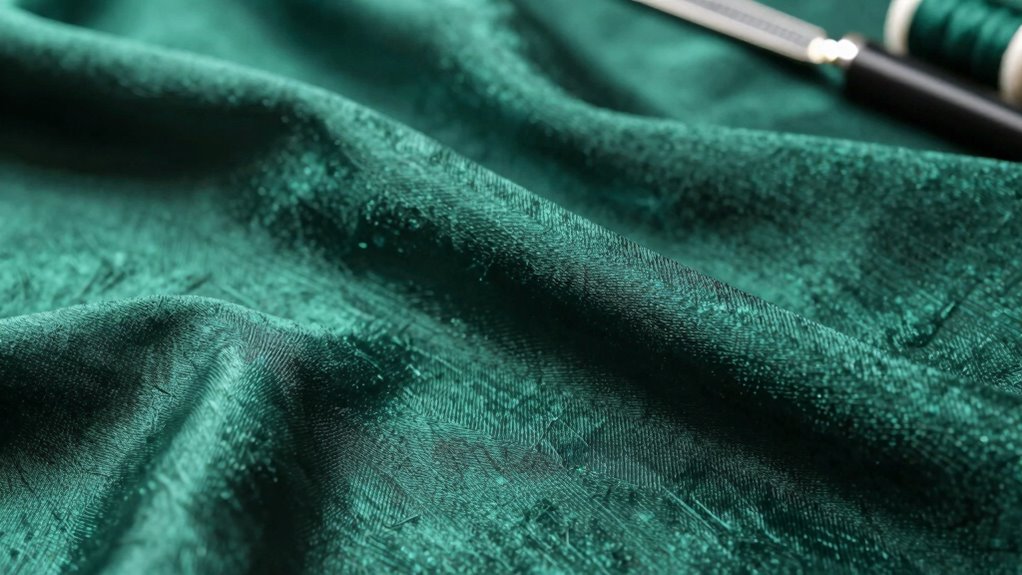
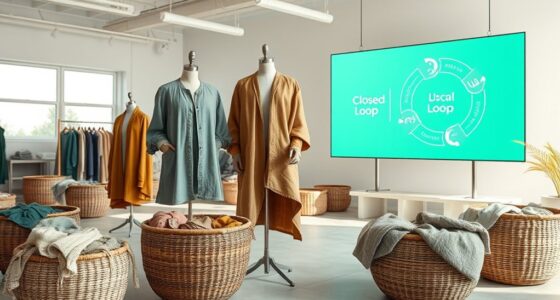
When it comes to clothing, the fabric you choose can make a bigger difference than most shoppers realize. It’s not just about how your clothes look or feel; it’s about their longevity, environmental impact, and overall performance. The materials you pick influence how durable your garments are, how comfortable they’ll be over time, and how sustainable your wardrobe becomes. Sustainable fibers, for example, are gaining recognition because they reduce environmental harm and support eco-friendly practices. Choosing fabrics made from these fibers can significantly lessen your carbon footprint, especially compared to conventional textiles that rely heavily on synthetic chemicals or resource-intensive processes. Additionally, selecting fabrics with low comogenic ratings can help prevent skin irritation and breakouts, making your clothing choices healthier for your skin.
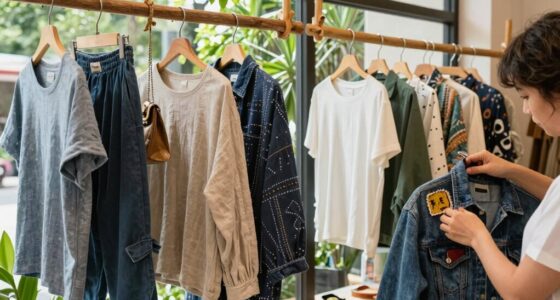
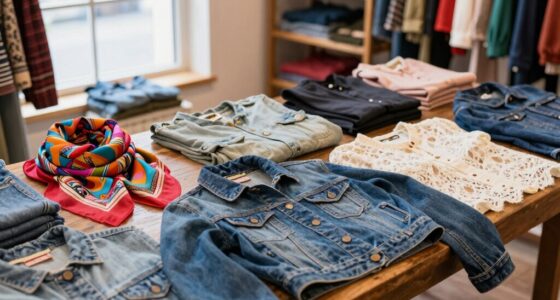
Fabric durability is another crucial factor that’s often overlooked at the checkout. High-quality fabrics tend to last longer, resist wear and tear, and retain their shape after multiple washes. When you opt for durable textiles, you’re making a smarter investment—you won’t need to replace your clothes as often, which ultimately saves you money and reduces waste. For instance, materials like organic cotton, linen, or hemp typically offer greater strength and resilience than cheaper synthetic options. These fabrics withstand washing, stretching, and daily use much better, making your wardrobe more sustainable in the long run. Recognizing the importance of fabric production methods can help you choose textiles that are created with fewer chemicals and less water, further supporting environmental sustainability. Understanding the fabric lifecycle** can also guide you toward more informed decisions that benefit both your wardrobe and the planet. Moreover, being aware of innovative textile technologies** can lead to discovering fabrics that combine durability with eco-friendly features.
Choosing durable fabrics like organic cotton, linen, or hemp extends your wardrobe’s lifespan and reduces waste.
Understanding the importance of fabric choice also means paying attention to how sustainable fibers are produced. Many eco-friendly options are made through processes that use fewer chemicals, less water, and less energy. This means you’re not just choosing a fabric that lasts longer but also supporting methods that are better for the planet. When you consider fabric durability along with the sustainability of fibers, you’re making choices that benefit both your wardrobe and the environment. Eco-friendly manufacturing plays a significant role in reducing overall environmental impact, and being mindful of this can help you make more responsible decisions. When you consider fabric durability along with the sustainability of fibers, you’re making choices that benefit both your wardrobe and the environment. It’s about being mindful of the entire lifecycle of your clothing—from production to disposal.
In the end, the fabric you select impacts more than just comfort. It influences how long your clothes last, how much they contribute to environmental degradation, and how well they perform over time. By prioritizing sustainable fibers and focusing on fabric durability, you’re making smarter, more responsible decisions. Your wardrobe becomes more than just a collection of items; it turns into a statement of sustainability and quality. When you understand the significance behind fabric choices, you’ll see that what you wear truly does matter—more than most shoppers think.
As an affiliate, we earn on qualifying purchases.
Frequently Asked Questions
How Does Fabric Affect Clothing Durability Over Time?
Fabric affects clothing durability over time because materials with good elasticity, like spandex or elastane, resist tearing and maintain shape longer. Additionally, colorfastness factors guarantee the fabric’s color doesn’t fade quickly with washing or exposure to sunlight. When you choose fabrics with strong elasticity and high colorfastness, your clothes stay looking new and last longer, saving you money and effort on replacements.
Can Fabric Type Influence Allergy or Skin Sensitivity?
Sure, your skin isn’t auditioning for a horror film, so fabric type can definitely influence allergy or skin sensitivity. Hypoallergenic fabrics and skin-sensitive textiles are designed to minimize irritation, keeping your skin happy and your wardrobe cruelty-free. Choosing the right fabric isn’t just about style—it’s about preventing rashes, itching, or worse. So, next time you shop, remember that fabric choice can be the difference between comfort and a skin revolt.
Does Fabric Choice Impact Environmental Sustainability?
Yes, your fabric choice impacts environmental sustainability. Opting for fabrics dyed with eco-friendly dyes minimizes chemical runoff, protecting ecosystems. Choosing organic-certified fabrics ensures no harmful pesticides or synthetic fertilizers are used, conserving biodiversity and soil health. By prioritizing these options, you support sustainable farming practices and reduce your carbon footprint, making a meaningful difference in protecting the planet. Your choices directly influence the fashion industry’s move toward more eco-conscious production methods.
How Does Fabric Care Vary Between Different Materials?
You’ll find fabric care varies widely depending on the material. For example, delicate fabrics like silk need gentle washing and specific detergents, while sturdy textiles like denim tolerate machine washing. Fabric texture influences how you care for it—rougher textures may require softer handling. Dye longevity also varies; some fabrics hold color better with cold water and gentle cycles, ensuring your clothes stay vibrant longer. Understanding these differences helps you maintain your garments properly.
Are Certain Fabrics Better Suited for Specific Climates?
Yes, certain fabrics are better suited for specific climates. For hot weather, choose lightweight fabrics with high breathability, like linen or cotton, which let air circulate and keep you cool. In colder climates, opt for heavier fabrics like wool or fleece that provide insulation and retain heat. Understanding fabric weight and breathability helps you select clothing that keeps you comfortable year-round, no matter the weather.
As an affiliate, we earn on qualifying purchases.
Conclusion
Choosing the right fabric isn’t just about style; it’s about crafting a second skin that works with your life. Think of fabric as the foundation of a house — if it’s solid and suited to your needs, everything else falls into place effortlessly. So, next time you shop, remember: your fabric choice shapes your comfort, durability, and confidence. It’s the silent hero behind every great outfit, quietly supporting your style story.
As an affiliate, we earn on qualifying purchases.
As an affiliate, we earn on qualifying purchases.
Halloween Picks
halloween
As an affiliate, we earn on qualifying purchases.