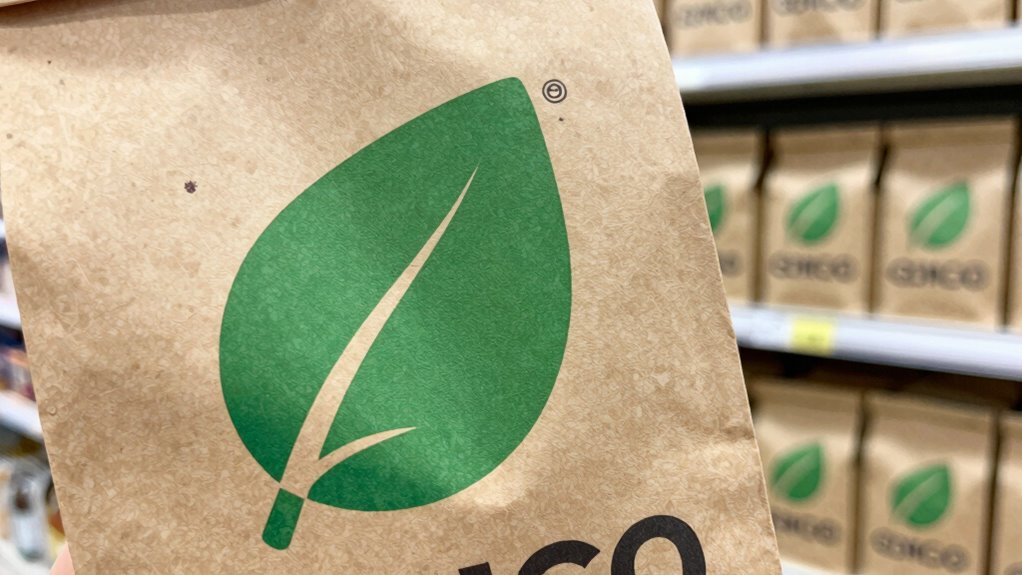

To spot greenwashing, look for brands that make vague claims without backing them up with trusted certifications like USDA Organic or Fair Trade. Check if they provide transparent data, progress reports, or third-party audits supporting their waste reduction efforts. Be cautious of overly broad language like “eco-friendly” without specifics, and see if their sustainability practices are built into their core business rather than short-term campaigns. Keep exploring to uncover more tips on truly identifying genuine sustainability.

Get beauty and skincare favorites delivered free with Prime
- Fast, free delivery on millions of items
- Prime Video, Amazon Music and more included
- Member-only deals all year
Key Takeaways
- Verify eco claims with reputable third-party certifications like USDA Organic or Fair Trade.
- Look for transparent data, measurable goals, and progress reports on waste reduction efforts.
- Assess if the brand openly shares detailed sustainability reports and honest communication.
- Ensure eco initiatives are ongoing and integrated into core business practices, not just short-term campaigns.
- Be cautious of vague language, broad claims, or lack of supporting evidence indicating potential greenwashing.

Have you ever wondered if a company’s eco-friendly claims are genuinely authentic or just a clever marketing ploy? It’s a smart question to ask, especially when brands increasingly use environmental buzzwords to appeal to consumers. To determine if a company is truly committed to sustainability, start by evaluating their eco label credibility. Authentic eco labels are backed by strict standards and third-party verification, not just marketing jargon. If a brand boasts about being “green” or “eco-friendly,” check whether they carry reputable certifications like USDA Organic, Fair Trade, or B Corp. These labels aren’t handed out lightly; they require companies to meet specific, measurable criteria. Be wary of vague claims that lack official backing, as they often serve to mislead rather than inform.
Check for reputable eco labels like USDA Organic, Fair Trade, or B Corp to verify genuine sustainability claims.
Waste reduction claims are another area where companies tend to stretch the truth. Some brands highlight their efforts to reduce waste without providing concrete evidence or transparent data. When examining these claims, look for specifics: Do they mention measurable goals? Are they actively reducing packaging, using recyclable materials, or implementing closed-loop systems? If a company just states they’re “reducing waste,” but offers no details or progress reports, it’s a red flag. Genuine efforts involve clear strategies and progress updates, not just empty assertions designed to boost their green image. Companies committed to transparency often publish detailed reports or share data, which serve as evidence of their genuine initiatives. Additionally, third-party audits can provide extra assurance that their claims are legitimate. A further indicator of authenticity is whether the company openly discusses their supply chain transparency and sourcing practices, which are crucial for verifying sustainability claims.
You should also consider how the company communicates its environmental efforts. Authentic brands are transparent about their processes, setbacks, and future goals. They’re willing to share detailed sustainability reports, showing real data rather than vague promises. Conversely, brands engaged in greenwashing often rely on vague language like “eco-friendly,” “sustainable,” or “green” without backing it up with specifics. Scrutinize their website, packaging, and advertising for inconsistencies or overly broad claims that lack evidence. Transparency and accountability are key indicators of authentic sustainability efforts. Recognizing the subtle cues that differentiate genuine initiatives from marketing stunts can save consumers from being misled.
Another clue lies in the company’s overall behavior. Do they demonstrate long-term commitments, or are their eco claims just a marketing stunt around Earth Day or other special occasions? Genuine sustainability initiatives tend to be integrated into their core business model, not just short-term marketing campaigns. When you dig into their practices, look for evidence of waste reduction efforts, responsible sourcing, and supply chain transparency, all of which signal true commitment. Recognizing greenwashing involves understanding these subtle cues and questioning whether their actions align with their claims.
As an affiliate, we earn on qualifying purchases.
Frequently Asked Questions
How Can Consumers Verify a Brand’s Environmental Claims?
You can verify a brand’s environmental claims by checking for credible eco labels, which signal third-party verification. Also, explore the brand’s supply chain transparency; if they openly share sourcing and manufacturing details, it’s a good sign. Research the brand’s environmental impact reports and look for consistency across their claims. This approach helps you distinguish genuine sustainability efforts from greenwashing, ensuring your choices support truly eco-friendly brands.
What Are Common Signs of Deceptive Green Marketing Tactics?
You should watch for signs like vague claims that fuel environmental myths, such as “green” products that lack specific proof. Check if the eco label accuracy is questionable or if the label seems generic without clear standards. Be cautious of buzzwords that seem exaggerated or industry jargon that masks the truth. If a brand avoids transparency or provides minimal details, it’s often a red flag for deceptive green marketing tactics.
Are There Specific Certifications That Indicate Genuine Eco-Friendliness?
Think of eco labels and certification programs as your trusted compass in a sea of green claims. Yes, there are specific certifications like USDA Organic, FSC, and B Corp that genuinely indicate eco-friendliness. These labels follow strict standards, so when you see them, you can be more confident about a brand’s sustainability efforts. Always check for recognized certifications to guarantee you’re truly supporting environmentally responsible companies.
How Do Companies Typically Exaggerate Their Sustainability Efforts?
You’ll notice companies often exaggerate sustainability by highlighting eco labels that seem impressive but lack rigorous standards. They might also focus on a small, eco-friendly product line while neglecting their entire supply chain, which could involve harmful practices. Be cautious if their claims don’t match transparent supply chain information or if the eco labels are vague or unverifiable. Always research the certifications behind those labels to verify their legitimacy.
What Role Do Third-Party Audits Play in Preventing Greenwashing?
Did you know that brands with third-party verification are 50% more likely to have credible sustainability claims? Third-party audits play an essential role by providing independent assessments that guarantee certification credibility. They help prevent greenwashing by verifying that companies genuinely meet environmental standards, giving you confidence in their claims. So, look for certified labels backed by trusted third-party verification to make informed, eco-conscious choices.
As an affiliate, we earn on qualifying purchases.
Conclusion
You now know how to spot greenwashing and avoid being fooled by false eco-claims. Remember, studies show that over 80% of consumers are more likely to trust brands that demonstrate genuine sustainability efforts. So, next time you see a brand claiming to be green, do your research—look for transparent certifications and check their actions, not just their words. Being informed helps you make eco-conscious choices and hold companies accountable for true sustainability.
eco-friendly packaging materials
As an affiliate, we earn on qualifying purchases.
As an affiliate, we earn on qualifying purchases.
third-party audited sustainability reports
As an affiliate, we earn on qualifying purchases.
As an affiliate, we earn on qualifying purchases.
Fall Picks
fall essentials
As an affiliate, we earn on qualifying purchases.