TL;DR
Experts recommend ditching fabric softener and using steaming to prolong clothes’ life. Proper washing, spot cleaning, and careful drying are key. These habits help save money and protect the environment.
Textile experts now recommend abandoning fabric softeners in favor of steaming garments to extend their lifespan and maintain quality. This shift in advice aims to help consumers reduce clothing wear and tear, saving money and reducing environmental impact.

Get beauty and skincare favorites delivered free with Prime
- Fast, free delivery on millions of items
- Prime Video, Amazon Music and more included
- Member-only deals all year
According to textile specialists, fabric softeners can sometimes damage fibers over time and are unnecessary if clothes are steamed properly. Experts suggest that steaming jumpers and delicate garments can refresh them without the use of chemical softeners, which often contain additives that may weaken fabrics. Additionally, proper washing practices—such as spot cleaning stains immediately, washing at lower temperatures, and hand-washing delicate fibers—are emphasized as effective ways to preserve clothing quality. Drying methods also matter; laying delicate items flat and avoiding high-speed spins help prevent stretching and damage.
Laura de Barra, a home cleaning expert, explains that steaming is a gentle alternative to softeners, which can sometimes leave residues or cause fiber degradation. She recommends using a handheld steamer or steaming clothes directly on a hanger, especially for jumpers and delicate fabrics. Experts also highlight that washing clothes less frequently, using cooler temperatures, and employing minimal detergent can significantly extend garment life. These practices align with broader environmental goals, as they reduce energy consumption and chemical use.
Why It Matters
This advice matters because it offers consumers practical, eco-friendly ways to prolong the life of their clothes, reducing the frequency of replacements and lowering laundry-related environmental impacts. By replacing fabric softeners with steaming and adopting gentle care routines, individuals can save money and contribute to sustainability efforts. Longer-lasting clothing also means less textile waste, which is a major environmental concern globally.
Popular right now

Samsung 65-Inch 4K OLED Smart TV with Dolby Atmos, 120Hz Refresh Rate, and Amber Protection Bundle
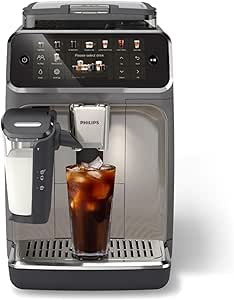
Philips 5500 Series Fully Automatic Espresso Machine with LatteGo Milk System

Apple AirPods Pro 3 Wireless Earbuds with Active Noise Cancellation
As an affiliate, we earn on qualifying purchases.
Background
Recent textile conservation advice emphasizes the importance of caring for clothes beyond basic washing. Experts have long noted that frequent washing and harsh detergents accelerate fiber degradation. The shift away from fabric softeners reflects a broader movement towards sustainable and gentle garment care. This guidance aligns with previous recommendations to wash clothes at lower temperatures and handle delicate fibers carefully, but now emphasizes steaming as a key technique for maintaining softness and shape without chemicals.
“Steaming garments can refresh fabrics and reduce the need for chemical softeners, which can weaken fibers over time.”
— Prof Yang Wei of Nottingham Trent University
“Spot cleaning stains immediately and using gentle washing methods can significantly prolong the life of your clothes.”
— Laura de Barra, cleaning and home expert
What Remains Unclear
It is not yet clear how widespread consumer adoption of steaming instead of fabric softeners will be, or how effective this method is across all fabric types. Further research may be needed to confirm long-term benefits and optimal steaming techniques.
What’s Next
Manufacturers and retailers may begin promoting steaming as a primary garment care method. Future updates could include more detailed guidelines on steaming techniques and integrating these practices into laundry routines. Consumer education campaigns are likely to follow to encourage adoption of these sustainable habits.
Key Questions
Can steaming replace fabric softeners entirely?
Steaming can effectively replace fabric softeners for many garments, especially jumpers and delicate fabrics, by refreshing and softening fabrics without chemicals. However, some may prefer softeners for specific uses, and individual results may vary.
What equipment do I need for steaming clothes?
A handheld steamer or a garment steamer is sufficient for most household needs. Hanging clothes while steaming allows for easy and effective treatment.
Are there any fabrics that should not be steamed?
Most fabrics respond well to steaming, but it is best to avoid steaming certain delicate or sensitive materials like leather or suede, which can be damaged by moisture and heat.
Does steaming really extend the life of clothes?
Yes, steaming can help maintain the shape, softness, and appearance of garments, reducing the need for frequent washing and minimizing fiber wear, thereby extending their lifespan.