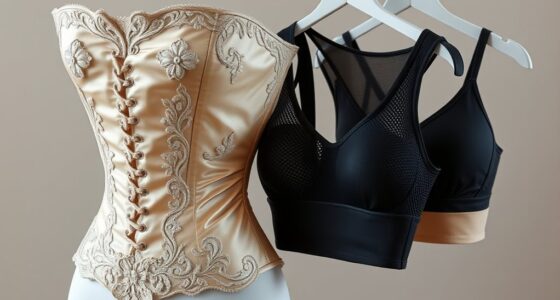
Haute couture is a highly exclusive fashion sector defined by strict laws that preserve craftsmanship, creativity, and tradition. Prices are exceptionally high, reflecting the detailed handwork, rare materials, and personalized design involved. Its prestige comes from its association with celebrities and luxury, maintaining a sense of rarity and social status. Modern values like sustainability are shaping the industry without compromising its exclusivity. If you want to understand how laws, costs, and reputation work together in haute couture, keep exploring.
Key Takeaways
- Haute couture is defined by strict regulations that ensure craftsmanship, exclusivity, and uphold industry standards.
- Prices reflect the cost of luxurious materials, detailed handwork, and the time-intensive creation process.
- The industry emphasizes sustainability, ethical practices, and responsible sourcing, aligning with modern social values.
- Celebrity appearances on the red carpet enhance prestige, promote trends, and boost designer recognition.
- Haute couture remains a symbol of artistic craftsmanship, luxury, and societal status through its traditions and evolving standards.

Have you ever wondered what sets haute couture apart from other fashion? It’s more than just the intricate craftsmanship or exclusive designs; it’s a world where sustainability practices are increasingly shaping the industry. Many haute couture houses are now adopting eco-friendly materials, reducing waste, and implementing ethical labor standards. This shift isn’t just about environmental responsibility—it’s also about aligning with the values of a new generation of clients who prioritize sustainability in their purchasing decisions. By integrating sustainable practices, these maisons demonstrate that luxury can be responsible, preserving their reputation while appealing to socially conscious consumers. Additionally, strict industry regulations ensure the high standards and exclusivity that define haute couture. Celebrity influence plays a significant role in elevating haute couture’s prestige as well. When famous figures step onto the red carpet dressed in couture pieces, they aren’t just showcasing fashion—they’re elevating the entire industry. These celebrities, with their global reach, turn heads and set trends that resonate worldwide. Their choices often bring attention to specific designers, boosting sales and recognition for the houses they wear. This symbiotic relationship helps maintain the exclusivity and allure of haute couture, making it a symbol of status and sophistication. You can’t underestimate how much celebrity endorsements or appearances in couture create buzz and elevate the craft’s prestige. The process of creating haute couture is meticulous and highly personalized, often involving hundreds of hours of handwork. This craftsmanship justifies the sky-high prices associated with haute couture. Each piece is a one-of-a-kind work of art, tailored specifically for the client, often with fabric sourced from rare or luxurious sources. The pricing reflects not just the materials but also the expertise, time, and artistry poured into each creation. Because of its exclusivity, owning a piece of haute couture isn’t just about fashion; it’s about possessing a rare artifact of craftsmanship and artistry that few can access. Beyond the price tags, the laws governing haute couture set strict standards for admission, ensuring that only the most skilled and innovative maisons qualify. These regulations help maintain the industry’s integrity, preserving its tradition of craftsmanship and exclusivity. When you consider the combination of sustainability practices, celebrity influence, and rigorous standards, it’s clear that haute couture remains a unique intersection of art, fashion, and social statement. It’s a world where tradition meets modern values, creating a lasting allure that continues to captivate and inspire.

White Fashion Text Design | Designer Model Haute Couture Tote Bag
16” x 16” bag with two 14” long and 1” wide black cotton webbing strap handles.
As an affiliate, we earn on qualifying purchases.
As an affiliate, we earn on qualifying purchases.
Frequently Asked Questions
How Do Haute Couture Houses Select Their Clients?
Haute couture houses select their clients through an exclusive invitation process, emphasizing client exclusivity. You’re typically invited based on your status, style, and connection to the brand’s aesthetic. They carefully assess your relationship with the house and your commitment to haute couture. If chosen, you’re part of a privileged circle, gaining access to bespoke creations. This selective process guarantees that only a few privileged clients enjoy the prestige and personalized service of haute couture.
What Are the Environmental Impacts of Haute Couture?
You might wonder about the environmental impacts of haute couture. While these luxury houses often use sustainable practices, their ecological footprint can be significant due to the use of rare fabrics and handcrafted details. However, some designers are now adopting eco-friendly materials and ethical production methods to reduce harm. By choosing brands that prioritize sustainability, you support a shift toward more responsible fashion, helping lessen haute couture’s environmental impact.
Can Anyone Purchase Haute Couture Pieces?
You can’t just buy haute couture pieces like regular fashion; their luxury exclusivity means only select clients, often with private appointments, can access them. Designers prioritize client privacy, making these creations highly personalized. While wealthy individuals may have the opportunity to purchase, general public access is limited. Haute couture remains an exclusive world, reserved for a privileged clientele who value unique craftsmanship and discretion over mass-market availability.
How Do Designers Innovate Within Traditional Haute Couture Rules?
You can see that designers innovate within traditional haute couture rules by blending fabric craftsmanship with design innovation. They experiment with new textiles, techniques, and details while respecting the craftsmanship standards. This approach allows you to enjoy unique, highly personalized pieces that push boundaries, showcasing creativity without breaking heritage rules. Through this balance, designers keep haute couture fresh, inspiring, and deeply rooted in tradition.
What Is the Global Influence of Haute Couture Beyond Fashion?
You see that haute couture’s influence extends far beyond fashion, shaping global branding and fostering cultural exchange. As you observe, these luxurious designs inspire art, film, and pop culture worldwide, creating a sophisticated image that transcends borders. Haute couture’s prestige helps brands connect with diverse audiences, promoting cultural appreciation while strengthening international markets. Its global reach not only elevates style but also encourages cross-cultural dialogue and collaboration.
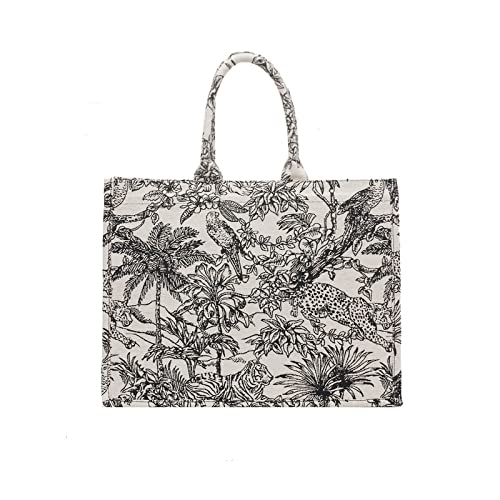
Fashion luxury tote bag cotton linen one shoulder handbag large capacity jacquard embroidery retro exquisite graffiti(L)
luxury bags for women:The appearance of this bag similar to cotton and linen fabric is very tough, showing…
As an affiliate, we earn on qualifying purchases.
As an affiliate, we earn on qualifying purchases.
Conclusion
Ultimately, haute couture is like a delicate, intricate tapestry woven with tradition, artistry, and exclusivity. As you navigate its laws, prices, and prestige, remember it’s not just fashion—it’s a living masterpiece that elevates craftsmanship to an art form. Embrace its complexity and see beyond the surface, understanding that each gown tells a story as rich and layered as the threads that compose it. In this world, luxury is truly an ever-evolving, breathtaking symphony.
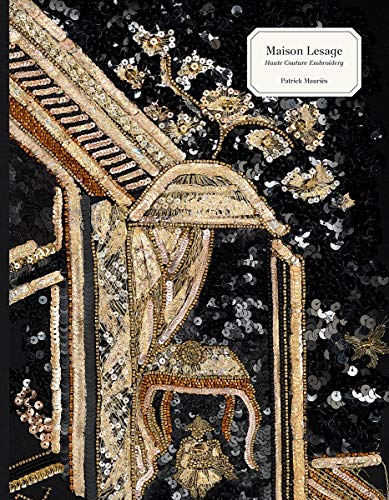
Maison Lesage: Haute Couture Embroidery
Pioneers of excellence: Setting the bar high in their field
As an affiliate, we earn on qualifying purchases.
As an affiliate, we earn on qualifying purchases.

Glamour Queens: A Luxury Lifestyle Coloring Book for Adults: Chic Women, Glam Fashion, Red Carpet, Designer Looks, VIP & Celebrity-Style Scenes
As an affiliate, we earn on qualifying purchases.
As an affiliate, we earn on qualifying purchases.