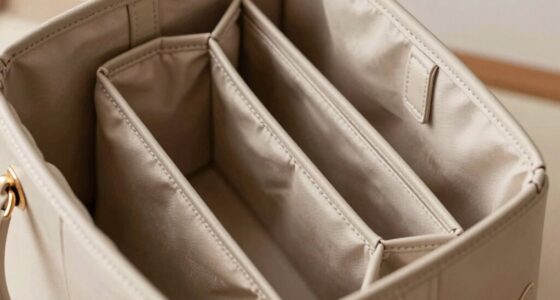
To shift smoothly from summer to fall and winter, start by adding a moisture-wicking base layer to stay dry and comfortable. Layer on warm insulators like fleece or wool, then top with a waterproof or windproof outer jacket. Use adjustable features and versatile fabrics to fine-tune your comfort throughout changing weather. Proper layering keeps you prepared, comfortable, and protected from the elements—if you want to know more, keep exploring how to perfect your seasonal layering techniques.
Key Takeaways
- Start with moisture-wicking base layers to manage sweat as temperatures drop.
- Add insulating layers like fleece or wool for warmth during cooler fall and winter days.
- Use waterproof or windproof outer layers to protect against rain, snow, and strong winds.
- Incorporate adjustable features such as zippers and removable layers for flexible temperature control.
- Choose fabrics that balance breathability and insulation to prevent overheating or chilling.

As temperatures fluctuate throughout the year, mastering seasonal layering becomes essential for staying comfortable and prepared in any weather. When transitioning from summer to fall and winter, your ability to adapt your clothing quickly and effectively can make all the difference. The key lies in understanding layering techniques and choosing the right fabric choices to suit changing conditions.
Layering techniques involve stacking clothing items in a way that allows you to add or remove layers as needed. Start with a moisture-wicking base layer, like a lightweight thermal or synthetic top, which keeps sweat away from your skin. This is crucial because as the weather cools, moisture can make you feel colder if not managed properly. Next, add an insulating layer—think fleece, wool, or down—that traps heat and keeps you warm. These materials are excellent for colder temperatures because of their insulating properties. Over this, you can wear a weather-resistant outer layer, such as a waterproof jacket or windbreaker, to protect against rain, snow, and wind. This combination offers versatility and ensures you’re prepared for sudden weather shifts.
Layer clothing from moisture-wicking base to weather-resistant outer for versatile protection in changing weather.
Fabric choices are equally vital. During the transition from summer to fall, breathable fabrics like cotton or linen work well for daytime comfort, especially when temperatures are still relatively mild. As it gets cooler, you’ll want to switch to fabrics that retain warmth. Wool, fleece, and synthetic insulated materials excel at providing insulation without adding bulk. For outer layers, look for fabrics with waterproof or windproof features, like Gore-Tex or nylon, which shield you from the elements while allowing moisture to escape. When selecting fabrics, also consider layering with versatile pieces that can be worn alone or combined, such as a cardigan or vest, for added warmth without sacrificing mobility.
Another practical tip is to choose clothing with adjustable features—zippers, drawstrings, and removable layers—so you can fine-tune your outfit throughout the day. A lightweight scarf or hat made from wool or fleece can add extra warmth without significant bulk. Focus on fabric choices that balance breathability with insulation, so you don’t overheat during physical activity or underheat when stationary. Additionally, incorporating proper layering techniques can prevent overheating or chilling, especially during unpredictable weather patterns.
In essence, effective seasonal layering involves understanding how to combine different fabrics and layering techniques. By selecting the right materials and structuring your outfit thoughtfully, you’ll stay comfortable regardless of whether the temperature dips or rises unexpectedly. This approach lets you enjoy the changing seasons without sacrificing comfort or style, making every outdoor experience more enjoyable and less stressful.

Moozava Compression Shirt Men Long Sleeve Spandex Undershirt Base Layer Thermal Moisture Wicking Quick Dry Workout Tops White L
Quick Dry & Moisture Wicking: This men's long sleeve compression shirt features advanced moisture-wicking and quick drying technology…
As an affiliate, we earn on qualifying purchases.
As an affiliate, we earn on qualifying purchases.
Frequently Asked Questions
How Do I Choose the Right Fabrics for Layering?
To choose the right fabrics for layering, consider fabric blends like wool and cotton for warmth and breathability. Opt for lightweight materials such as silk or modal for comfort and ease of layering. Use layering techniques like combining thin, moisture-wicking pieces with thicker insulators for versatility. Prioritize fabrics that wick moisture and insulate, ensuring you stay comfortable as temperatures change. Always select fabrics that complement each other for practical, stylish layered outfits.
What Are Some Versatile Layering Pieces for All Seasons?
Channel your inner Victorian traveler with versatile layering pieces perfect for all seasons. Think lightweight, sustainable options like merino wool tops, cozy fleece vests, and versatile scarves. These items make excellent layering for travel, adapting easily from warm days to chilly evenings. Opt for eco-friendly fabrics that stand the test of time, so you stay stylish and comfortable year-round without sacrificing sustainability. Mix and match for endless seasonal combinations.
How Can I Prevent Overheating During Transitional Weather?
To prevent overheating during transitional weather, focus on using insulation techniques like layering lightweight, breathable pieces that you can add or remove easily. Opt for moisture-wicking fabrics to keep sweat away from your skin, helping you stay comfortable. Start with a thin base layer, then add or shed layers as needed throughout the day. This approach guarantees you stay warm without overheating, no matter how the weather shifts.
What Accessories Enhance Layered Outfits in Fall and Winter?
You can enhance layered outfits in fall and winter by adding scarves and hats, which provide warmth and style. Opt for cozy scarves in textures like wool or cashmere, and choose hats that complement your look, such as beanies or fedoras. To make your outfit pop, incorporate statement jewelry like bold necklaces or earrings. These accessories not only elevate your style but also add personality to your layered ensemble.
How Do I Store Seasonal Layers Properly?
You should fold your seasonal layers neatly, using proper wardrobe organization to prevent wrinkles and damage. Store winter coats and sweaters in breathable garment bags or on sturdy hangers, keeping them in a cool, dry place. For summer pieces, use seasonal storage bins or vacuum-sealed bags to save space and protect against dust and pests. Proper seasonal storage guarantees your wardrobe stays fresh, organized, and ready for next year’s layering.

APEXUP Packable Rain Jacket Men with Reflective Zipper, Lightweight Waterproof Jacket Windbreaker Hooded Raincoat, Mens Rain Jackets for Outdoor, Running, Hiking, Travel, Cycling (Black, L)
Waterproof and Windproof: APEXUP men's rain jacket is made from tear-resistant, high-density polyester with waterproof zippers; It features…
As an affiliate, we earn on qualifying purchases.
As an affiliate, we earn on qualifying purchases.
Conclusion
So, as you master seasonal layering, you’ll find yourself practically buried under all those clothes—yet somehow still cold or too hot. Ironically, the very act of bundling up perfectly can make you forget the weather’s unpredictable dance. One minute you’re swaddled in sweaters, the next you’re peeling them off in the sun. Embrace the chaos, because in the end, layering turns dressing for the weather into a stylish game of hide-and-seek.

Columbia Men's Steens Mountain 2.0 Full Zip Fleece Jacket, Black, Medium
SOFT FABRIC: This Columbia Men's Steens Mountain Full Zip 2.0 Fleece Jacket is crafted of ultra-soft 100% polyester…
As an affiliate, we earn on qualifying purchases.
As an affiliate, we earn on qualifying purchases.
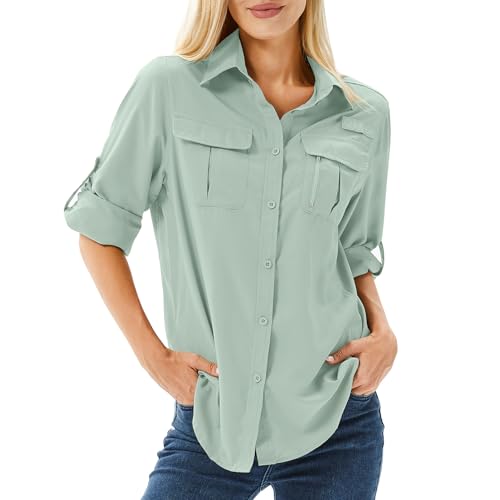
Women's UPF 50+ Long Sleeve UV Sun Protection Shirts, Fishing Hiking Travel Shirt,Breathable and Fast Dry(5071,Bean Green,S)
Breathable and Fast Dry:Lightweight and quick dry quality polyester fabric wicks moisture away from body to keep you…
As an affiliate, we earn on qualifying purchases.
As an affiliate, we earn on qualifying purchases.