Supporting artisans and traditional techniques helps preserve cultural heritage and keeps age-old skills alive. When you back these crafts, you promote sustainable sourcing, reduce environmental impact, and empower communities to sustain their livelihoods. Your support encourages innovation while honoring tradition, making these crafts more relevant today. By choosing to invest in handmade, authentic products, you contribute to a resilient cultural identity. If you continue, you’ll discover even more ways your support can make a meaningful difference.
Key Takeaways
- Supporting artisans preserves traditional skills and cultural heritage passed down through generations.
- Promoting local sourcing and eco-friendly materials sustains authentic craftsmanship and environmental balance.
- Buying directly from artisans boosts their livelihoods and encourages the continuation of traditional techniques.
- Encouraging innovation helps adapt and keep traditional crafts relevant to modern markets.
- Recognizing craftsmanship emphasizes the value of authentic methods, ensuring their longevity and cultural significance.
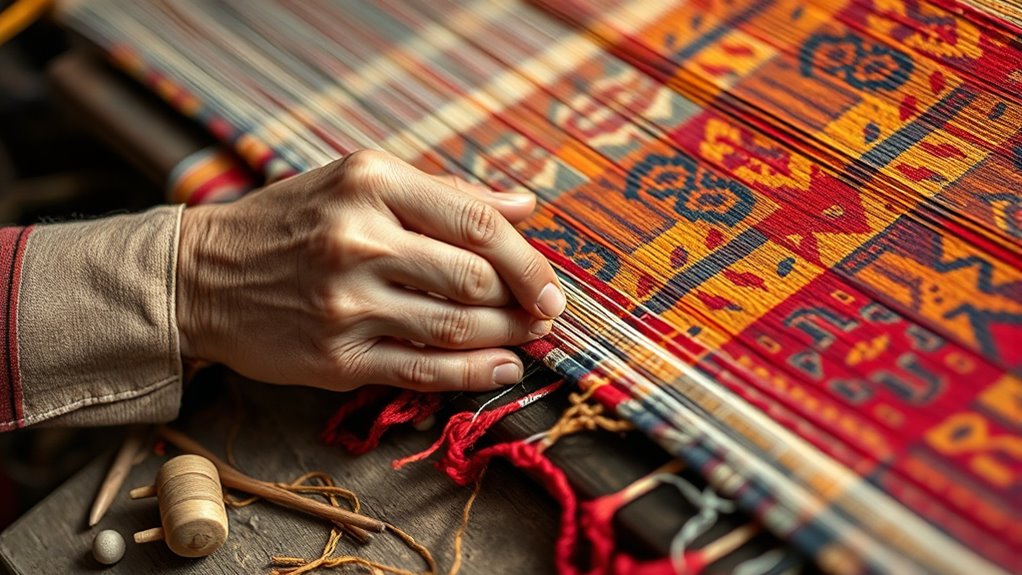
Supporting artisans and traditional techniques is essential for preserving cultural heritage and fostering sustainable communities. When you choose to support these skilled craftsmen, you’re helping to maintain age-old practices that have been passed down through generations. This act of backing traditional craftsmanship directly contributes to sustainable sourcing, ensuring that materials used in artisanal products are responsibly obtained and environmentally friendly. Instead of mass-produced items that often rely on environmentally damaging methods, supporting artisans encourages the use of local, renewable resources, reducing carbon footprints and promoting ecological balance. By prioritizing sustainable sourcing, you help create a market where traditional techniques thrive without compromising the environment for future generations.
When you buy handmade goods crafted by artisans, you’re actively participating in cultural preservation. Each piece tells a story—about the community it comes from, the history behind the craft, and the skills honed over decades or even centuries. These crafts are more than just products; they’re living expressions of cultural identity that risk fading away in the face of globalization and industrialization. Your support helps keep these traditions alive, ensuring that future generations can learn and appreciate the artistry and cultural significance behind each item. This kind of preservation isn’t just about saving old techniques; it’s about empowering communities to maintain their unique identities and livelihoods.
Supporting artisans also promotes economic sustainability. When you purchase directly from local craftspeople or through ethical channels, you’re ensuring that more of the profits go straight into the hands of those who create these products. This helps sustain their livelihoods, encourages the continuation of traditional techniques, and reduces reliance on large corporations that often prioritize mass production over cultural authenticity. Your conscious consumer choices can foster a more equitable and resilient local economy, where artisans can thrive and pass their skills on to future generations.
Moreover, supporting these crafts often leads to innovation within tradition. Artisans may adapt their techniques or combine old methods with new ideas to appeal to modern tastes, making their work more relevant and accessible. This balance between tradition and innovation sustains the craft’s relevance and encourages its growth. When you actively seek out and purchase traditional products, you’re not only preserving cultural heritage but also helping to create a sustainable future for these communities. Your choices matter—by supporting artisans, you help weave the fabric of cultural preservation into the broader story of sustainable development, ensuring that these invaluable skills and stories endure. Recognizing the craftsmanship, techniques, and materials involved underscores the importance of supporting artisans in maintaining these timeless practices.
Frequently Asked Questions
How Can Consumers Identify Authentic Traditional Craftsmanship Products?
You can identify authentic traditional craftsmanship products by checking for authenticity verification and craftsmanship labels. Look closely at the details, such as hand-stitching or unique finishes, which often indicate genuine work. Research the brand or artisan to verify they support traditional techniques. Trusted labels and certifications can also confirm authenticity. Trust your instincts and prioritize products with transparent origins, as they reflect true craftsmanship and help preserve cultural heritage.
What Are Common Challenges Faced by Artisans Today?
Imagine a delicate woven tapestry, each thread representing an artisan’s skill. Today, they face fierce market competition that threatens their livelihood and resource scarcity that hampers their craft. These challenges make it harder to sustain traditional techniques, pushing artisans to the brink of losing their cultural heritage. You can support them by choosing authentic products, helping preserve these invaluable skills for future generations.
How Can Technology Support Traditional Artisans Without Compromising Authenticity?
You can support artisans through digital integration, which helps them reach wider markets and showcase their work globally. By providing access to online tools and platforms, you enable skill enhancement, allowing artisans to learn new techniques and improve craftsmanship without losing authenticity. Embracing technology thoughtfully guarantees their traditions remain intact while adapting to modern demands, preserving cultural heritage for future generations.
What Policies Effectively Promote the Preservation of Traditional Techniques?
You can promote traditional techniques by advocating for policy incentives that support artisans financially and logistically. Governments should implement policies that prioritize cultural preservation, such as grants, tax breaks, and certification programs for authentic craftsmanship. Encouraging local markets and tourism also helps sustain these skills. By actively backing these policies, you guarantee that artisans receive the recognition and resources needed to keep their cultural heritage alive and thriving.
How Do Cultural Shifts Impact the Future of Artisanship?
Cultural influence and modernization effects shape the future of artisanship by both threatening and transforming traditional techniques. As modern trends and global influences spread, you might see craftsmanship adapting to new tastes or declining due to changing values. To preserve artisanship, you need to embrace cultural evolution while safeguarding core techniques, ensuring artisans can innovate without losing their heritage. This balance helps keep traditional craftsmanship relevant in a rapidly changing world.
Conclusion
By supporting artisans and preserving traditional techniques, you become a essential thread in the fabric of cultural heritage. Your efforts weave resilience into age-old crafts, turning fleeting moments into lasting legacy. Every purchase, every shared story, acts as a seed planted in the soil of tradition, nurturing a future where craftsmanship flourishes. In doing so, you symbolically hold the torch of heritage, ensuring that these vibrant traditions continue to shine brightly through generations to come.