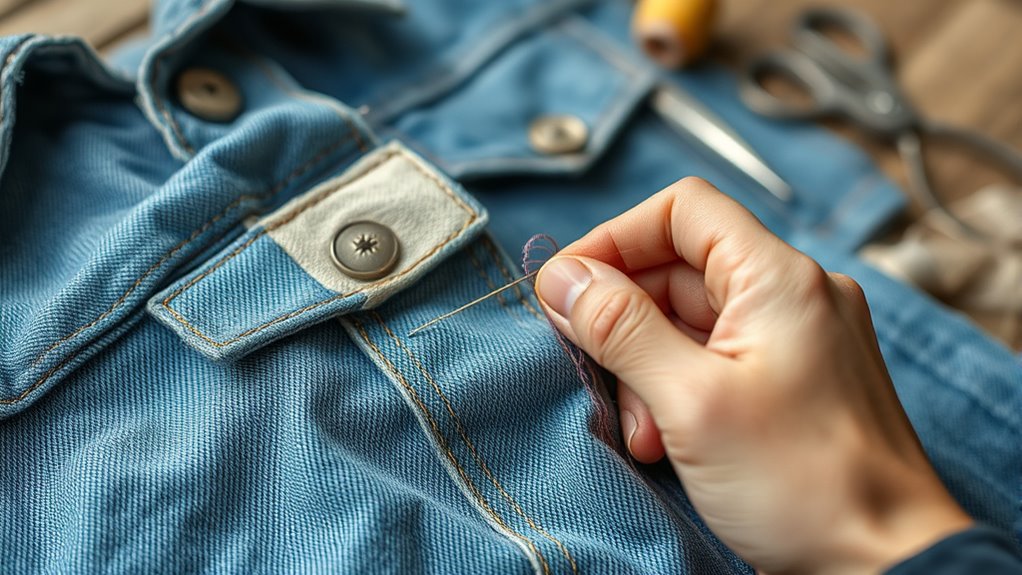

To extend the life of your favorite clothes, handle stains promptly by gently dabbing with suitable cleaning agents and testing first. Proper washing techniques like using cold water, turning garments inside out, and avoiding overloading your machine help preserve fabric quality. Air dry whenever possible and carefully iron or steam to keep clothes looking fresh. Small efforts in repair and care make a big difference—continue with these tips to learn more ways to keep your wardrobe in great shape.
Key Takeaways
- Act quickly on stains, using appropriate gentle cleaning methods to prevent permanent damage.
- Turn garments inside out and wash in cold water to preserve fabric color and prevent fiber weakening.
- Avoid overloading the washing machine and opt for air drying to reduce stress and extend clothing lifespan.
- Use proper ironing or steaming at suitable temperatures to maintain fabric shape without damage.
- Regularly inspect and repair minor damages like loose threads or small tears to prevent bigger issues later.

Have you ever wondered how proper repair and care can extend the life of your possessions? It’s a simple but powerful idea that can save you money and keep your wardrobe looking fresh. When you focus on routine maintenance, you prevent clothes from becoming unusable too soon, and that’s where stain removal and fabric preservation come into play. These small efforts make a big difference in maintaining the quality and appearance of your favorite clothes.
Stain removal is vital because stains can quickly ruin a garment if not treated promptly and correctly. The key is to act fast—dab, don’t rub, to lift the stain without damaging the fabric. Use appropriate cleaning agents tailored to the stain type: a gentle soap for dirt and grime, or a specialized stain remover for tougher spots like wine or ink. Test any solution on a hidden area first to avoid discoloration. By taking these steps, you not only remove the stain but also prevent it from setting permanently, which helps keep your clothes looking new longer. Effective stain removal isn’t just about cleaning; it’s about caring for the fabric’s integrity. When stains are properly dealt with, the fabric’s fibers stay intact, which directly contributes to fabric preservation. This means your clothes retain their shape, color, and texture over time, rather than fading or fraying prematurely. Proper handling also includes understanding the importance of gentle washing and proper drying techniques, which can extend toilet flushing efficiency by preventing unnecessary wear and tear on clothing fibers.
Taking care of your clothes also involves understanding the importance of gentle washing and proper drying techniques. Use cold water whenever possible, as hot water can weaken fibers and cause colors to fade. Turn garments inside out to reduce friction and preserve surface details. Avoid overloading your washing machine, so clothes aren’t subjected to excessive agitation that can lead to pilling or tearing. When drying, whenever available, opt for air drying instead of high-heat tumble drying. This reduces stress on the fabric, preventing shrinkage and weakening of fibers. Iron or steam your clothes carefully to smooth out wrinkles without applying too much heat, which can scorch or weaken delicate fabrics.
Top picks for "repair care extend"
Open Amazon search results for this keyword.
As an affiliate, we earn on qualifying purchases.
Frequently Asked Questions
How Can I Prevent Color Fading in My Clothes?
To prevent color fading, always wash your clothes inside out using cold water, which helps with dye preservation. Opt for colorfast fabrics when shopping, as they resist fading better. Use gentle detergents formulated for color protection, and avoid over-drying in the sun, which can strip dyes. By following these steps, you’ll keep your clothes vibrant and looking new longer, maintaining their original colors and extending their lifespan.
What Are Eco-Friendly Methods for Repairing Clothes?
You can turn back time on worn clothes using eco-friendly methods like sustainable patching, which uses biodegradable fabrics, or natural dyeing techniques that refresh colors without harsh chemicals. These methods not only save your favorite pieces from the landfill but also help protect the planet. Embrace these sustainable solutions, and you’ll keep your wardrobe vibrant and eco-conscious, knowing you’re making a positive impact with every repair.
How Often Should I Inspect Clothes for Repairs?
You should inspect your clothes during regular clothing maintenance, ideally every few wears or once a month. This garment inspection helps catch small issues like loose threads, small tears, or missing buttons early. By staying proactive, you prevent minor damages from worsening, extending your clothes’ lifespan. Make it a habit to check your favorite pieces often, especially after washing or wearing, to keep them in great condition for longer.
Can Certain Fabrics Be Repaired at Home Effectively?
You might be surprised, but many fabrics can be repaired at home with the right techniques. For delicate fabrics like silk, darning techniques work well, while sturdier materials like denim benefit from fabric patching. With patience and practice, you can mend tears or holes yourself, saving money and extending your favorite clothes’ life. Don’t wait—grab your needle and thread, and turn those worn pieces into good-as-new treasures!
What’s the Best Way to Store Clothes for Longevity?
To make certain your clothes last longer, focus on proper clothing organization and seasonal storage. Fold or hang items neatly, using breathable storage containers to prevent damage. Store seasonal clothes in a cool, dry place to avoid moisture and pests. Keep heavier garments at the bottom and lighter fabrics on top. Regularly clean and inspect your wardrobe, rotating clothes seasonally to maintain their quality and extend their lifespan effectively.
Conclusion
When you take the time to repair and care for your clothes, you might find yourself unexpectedly saving money and discovering new ways to personalize your wardrobe. Sometimes, a small patch or careful wash can transform a favorite piece into something even more special. It’s funny how the effort you put in to extend your clothes’ life often ends up giving you a deeper appreciation for what you wear every day—proof that caring truly pays off.