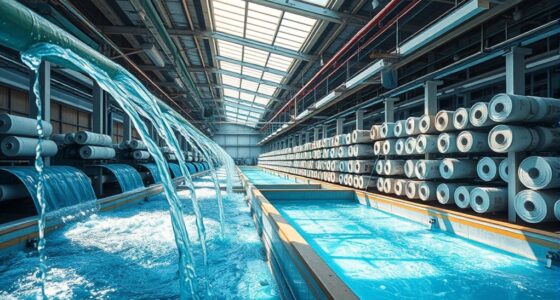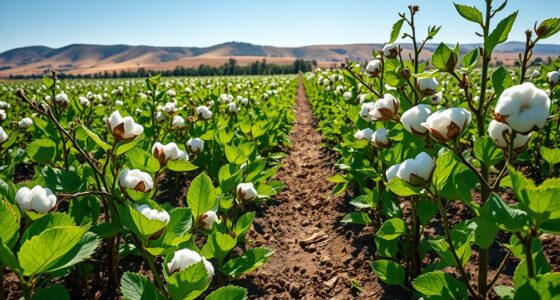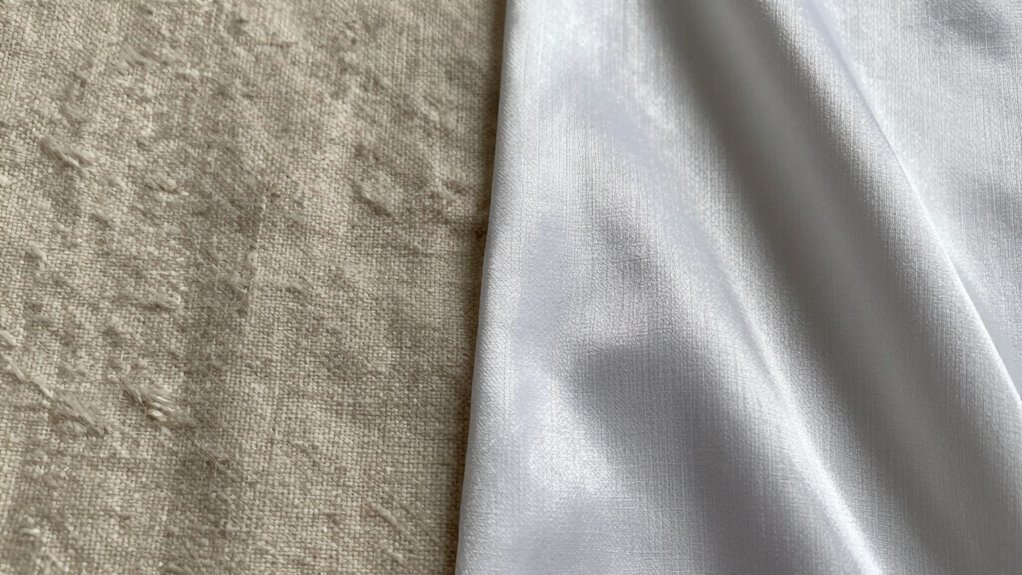

You’ll find that natural fibers like cotton, wool, and hemp biodegrade more easily and break down faster once discarded, reducing environmental pollution. They often involve less chemical use and pollution during production, especially if sustainably farmed. On the other hand, synthetic fibers like polyester and nylon persist for decades, contributing to microplastic pollution and long-term waste. To understand the full impact and how to make smarter choices, explore how their lifecycle affects ecosystems and sustainability.

Get beauty and skincare favorites delivered free with Prime
- Fast, free delivery on millions of items
- Prime Video, Amazon Music and more included
- Member-only deals all year
Key Takeaways
- Natural fibers biodegrade more quickly and reduce long-term landfill waste compared to synthetic fibers.
- Synthetic fibers persist in the environment for decades, contributing to microplastic pollution.
- Manufacturing natural fibers generally involves less chemical use and pollution than synthetic fiber production.
- Synthetic fibers are energy-intensive to produce and emit greenhouse gases, impacting climate change.
- Sustainable farming practices for natural fibers can minimize environmental impacts, unlike conventional cultivation methods.

Choosing between natural and synthetic fibers often hinges on their environmental impact. When you weigh your options, it’s vital to evaluate factors like biodegradability impact and manufacturing pollution. Natural fibers, such as cotton, wool, and hemp, tend to break down more easily once discarded, reducing long-term waste in landfills. Their biodegradability impact is generally positive because microbes can decompose these fibers relatively quickly, minimizing environmental persistence. However, this advantage depends on how the fibers are processed and disposed of, and certain treatments can slow down their natural degradation. Conversely, synthetic fibers like polyester, nylon, and acrylic are derived from petrochemicals. These materials are designed to last, but that durability often comes with a downside: they don’t biodegrade readily. Instead, they persist in the environment for decades, contributing to the growing problem of microplastics in oceans and soils. This persistence makes synthetic fibers less environmentally friendly in the context of waste management. Additionally, the microplastics in dust can become airborne and settle in various ecosystems, exacerbating environmental contamination. The longevity of synthetic fibers means they can accumulate in ecosystems for extended periods, harming wildlife and ecosystems. Manufacturing pollution is another critical aspect you ought to evaluate. Producing natural fibers generally involves lower levels of chemical use and pollution, especially if sustainable farming practices are employed. For example, organic cotton farming avoids synthetic pesticides and fertilizers, reducing soil and water contamination. Still, conventional cultivation can consume significant water and energy, and heavy pesticide use can harm ecosystems and worker health. Moreover, the chemical-intensive processes involved in producing synthetic fibers often lead to the release of harmful pollutants into the environment. The extraction and refining of petrochemicals are energy-heavy processes that emit greenhouse gases, further impacting the environment. Additionally, the production of synthetic fibers often involves toxic chemicals that can pose risks to workers and nearby communities. When considering environmental sustainability, the full lifecycle of fibers should be taken into account to understand their overall ecological footprint. Understanding the environmental impact of each fiber type can help consumers make more sustainable choices.
As an affiliate, we earn on qualifying purchases.
Frequently Asked Questions
How Do Natural Fibers Decompose in Landfills Compared to Synthetics?
You’ll find natural fibers decompose faster in landfills because their biodegradation rates are higher, breaking down into natural components over time. This process reduces their landfill impact, releasing fewer pollutants. In contrast, synthetic fibers, made from plastics, resist biodegradation, persisting for decades and accumulating, which worsens landfill issues. Choosing natural fibers helps lessen environmental harm by promoting quicker decomposition and less long-term waste.
Are There Eco-Friendly Synthetic Fibers Available Today?
Yes, there are eco-friendly synthetic fibers today, surprising isn’t it? You’ll find sustainable innovations like recycled polyester and bio-based fibers designed to lessen environmental impacts. These alternatives aim to combine durability with eco-consciousness, reducing reliance on traditional synthetics. So, even in the world of plastics, you can find greener options that help you enjoy your fashion choices without sacrificing the planet’s health. It’s the irony of modern innovation!
What Is the Water Footprint of Producing Natural Versus Synthetic Fibers?
Natural fibers typically have a higher water consumption during production, especially cotton, which requires large amounts of water for cultivation. Synthetic fibers, on the other hand, generally consume less water but demand more production energy due to chemical processing. You should consider both water footprint and energy use when evaluating environmental impacts, as natural fibers can strain water resources, while synthetics impact energy consumption and pollution.
How Do Fiber Production Processes Impact Local Biodiversity?
Like a storm disrupting a delicate ecosystem, fiber production processes can cause biodiversity loss and habitat disruption. When you choose natural fibers, large-scale farming often clears land, threatening local flora and fauna. Synthetic fiber manufacturing, meanwhile, releases pollutants into nearby habitats, harming aquatic life. Your choices impact local biodiversity—by supporting sustainable practices, you help minimize habitat disruption and preserve ecosystems for future generations.
Can Synthetic Fibers Be Recycled Effectively for Environmental Benefit?
Yes, synthetic fibers can be recycled effectively, especially with recent recycling innovations. These advancements allow you to transform used fibers into new materials, reducing waste and lowering environmental impact. Recycling synthetic fibers minimizes the need for virgin resources, saves energy, and decreases pollution. By supporting and adopting these innovations, you contribute to a more sustainable approach in the textile industry, helping to mitigate the environmental footprint of synthetic fiber production.
As an affiliate, we earn on qualifying purchases.
Conclusion
In choosing between natural and synthetic fibers, you consider their environmental impacts, their renewability, and their lifecycle effects. You weigh the benefits of natural fibers’ biodegradability against synthetic fibers’ durability, and you recognize the importance of sustainable production. You aim to make informed choices that reduce waste, conserve resources, and protect our planet. By understanding these differences, you become part of the solution, making mindful decisions that support a healthier environment for everyone.
As an affiliate, we earn on qualifying purchases.
As an affiliate, we earn on qualifying purchases.
Halloween Picks
halloween
As an affiliate, we earn on qualifying purchases.