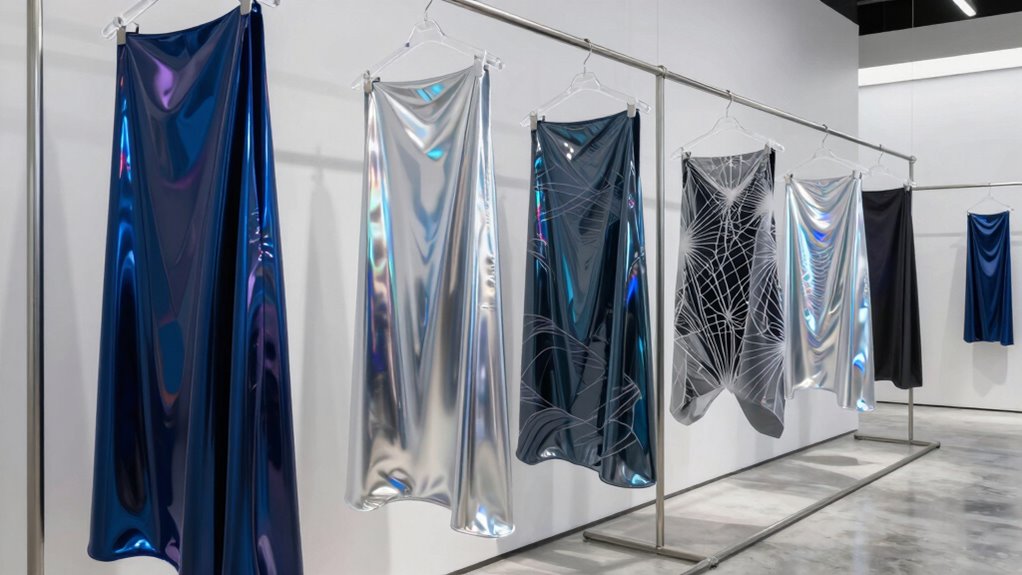

Future fabrics will transform your everyday wardrobe by combining sustainability, wearable technology, and style. You’ll wear clothes that adapt to your body temperature, monitor your health, and even charge devices, all while being eco-friendly. These innovative textiles will make your wardrobe smarter and more functional without sacrificing fashion. As fabrics evolve to reflect your values and lifestyle, you’ll discover how fashion can become more personalized and integrated into your life—and there’s more to explore beyond the surface.

Get beauty and skincare favorites delivered free — and shop member deals
- Fast, free delivery on millions of items
- Access to Prime Big Deal Days deals on October 6–7
- Prime Video, Amazon Music and more included
Key Takeaways
- Future fabrics will make clothing more functional, integrating health monitoring and temperature regulation seamlessly into everyday wear.
- They will promote sustainability through recycled, biodegradable, and lab-grown materials, reducing environmental impact.
- Embedded sensors and smart features will enhance comfort, performance, and convenience in daily clothing.
- Clothing will evolve into multifunctional tools that reflect personal values, health, and environmental consciousness.
- Digital integration will deepen the connection between fashion, technology, and wellness, transforming the way we experience everyday apparel.
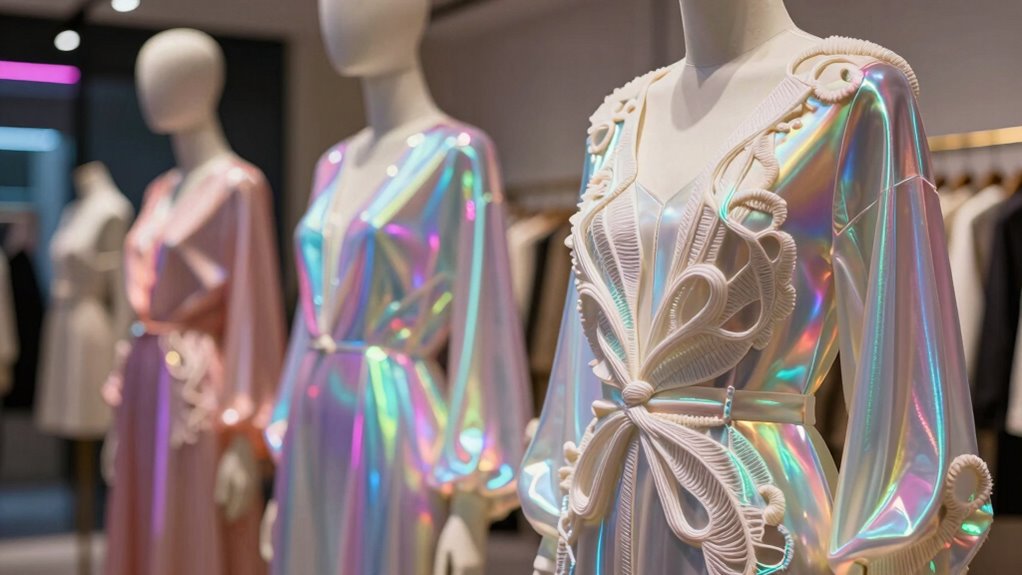
Have you ever wondered what clothes of the future will look like? The answer lies in the exciting world of future fabrics, where sustainable innovation meets wearable technology to transform everyday fashion. As this field evolves, you’ll find that clothing isn’t just about style anymore — it’s about functionality, environmental impact, and how seamlessly it integrates into your life. Imagine fabrics that can adapt to your body temperature, monitor your health, or even charge your devices. These advancements are paving the way for a smarter wardrobe that aligns with your values, prioritizing sustainability while enhancing convenience.
Future fabrics blend sustainability and technology to create smarter, stylish, and eco-friendly clothing for everyday life.
Sustainable innovation is at the core of these new textiles. Instead of relying on traditional, resource-heavy materials, future fabrics will be created from recycled fibers, biodegradable substances, or even lab-grown textiles that reduce environmental harm. This shift means you’ll be able to enjoy fashionable pieces that don’t contribute to pollution or waste. The materials will be durable yet eco-friendly, allowing you to wear your favorite clothes longer and feel good about your choices. This focus on sustainability isn’t just a trend but a necessary step toward a more responsible fashion industry.
Wearable technology is also revolutionizing what your clothes can do. Think of fabrics embedded with sensors that track your vital signs, help manage stress, or improve your athletic performance. Imagine your jacket sensing when you’re cold and adjusting its insulation automatically, or your shirt monitoring your posture and reminding you to sit up straight. These innovations make your clothing more interactive and personalized, blending fashion with function in ways that were once science fiction. As wearable technology becomes more discreet and affordable, it’ll seamlessly become part of your daily routine, making your clothes smarter without sacrificing style.
In the future, fabrics will do much more than just cover your body; they’ll enhance your overall well-being and reduce your environmental footprint. You might wear clothes that clean themselves or change color based on your mood or surroundings. The integration of sustainable innovation with wearable technology will mean you won’t have to compromise on aesthetics for practicality or ethics. Instead, your wardrobe will reflect your values, your health, and your lifestyle, all while being stylish and innovative. As these future fabrics develop, they’ll redefine what you expect from fashion — turning everyday clothing into a tool for sustainability, health, and connectivity. Additionally, advancements in digital content will foster a deeper understanding of how these textiles can be integrated into everyday life, making the future of fashion even more exciting.
smart temperature regulating clothing
As an affiliate, we earn on qualifying purchases.
As an affiliate, we earn on qualifying purchases.
Frequently Asked Questions
How Will Future Fabrics Impact Clothing Durability?
Future fabrics will considerably boost clothing durability by utilizing advanced fibers with increased strength. You’ll notice your clothes lasting longer because of improved material longevity, which means they’re more resistant to wear and tear. These innovations in fiber strength guarantee your wardrobe remains intact through daily use, reducing the need for frequent replacements. Fundamentally, future fabrics will make your clothing more resilient, sustainable, and cost-effective over time.
Are Sustainable Fabrics More Expensive Than Traditional Textiles?
Sustainable fabrics often cost more than traditional textiles due to material sourcing and manufacturing processes. You might notice a higher cost when shopping, but this reflects efforts to reduce environmental impact. While the initial price can be steeper, you’ll support eco-friendly practices. Over time, as sustainable material sourcing becomes more common and production scales up, the cost comparison could favor greener fabrics, making them more accessible for everyday fashion.
Will Future Fabrics Require Special Care or Maintenance?
Future fabrics might require special care, as some are engineered for enhanced fabric longevity and unique properties. Imagine caring for a shirt that needs only cold water or air drying, thanks to advanced textiles. These innovations could mean simplified care instructions, but some may demand specific maintenance to maximize their lifespan. Overall, you’ll find that future fabrics aim for durability and ease, making your everyday wardrobe more convenient and sustainable.
How Quickly Can New Fabric Technologies Be Commercialized?
New fabric technologies, like smart textiles, can be commercialized within a few years, depending on research progress and industry adoption. You’ll see fabric innovation accelerate as companies invest in smarter, sustainable materials. The timeline varies, but rapid advancements in materials science mean you might soon wear clothes with embedded sensors or adaptive features. Overall, the future of fashion is poised for quick integration of these innovative fabrics into everyday apparel.
Will Future Fabrics Be Customizable for Individual Preferences?
Imagine your wardrobe as a chameleon, shifting to match your mood and style. Future fabrics will definitely be customizable for your preferences, thanks to personalized textiles and adaptive materials. You’ll be able to select fabrics that change color, texture, or fit based on your needs. This means your clothes will become an extension of yourself—dynamic, unique, and perfectly tailored, making everyday fashion more personal, functional, and exciting.
health monitoring smart clothing
As an affiliate, we earn on qualifying purchases.
As an affiliate, we earn on qualifying purchases.
Conclusion
As you explore the future of fabrics, you’ll find that innovations could revolutionize your wardrobe, making clothing smarter, more sustainable, and incredibly versatile. Imagine fabrics that repair themselves or adapt to your environment—it’s not just science fiction anymore. Did you know that the textile industry is responsible for about 10% of global carbon emissions? Embracing these advancements could help you stay stylish while reducing your environmental footprint, shaping a more sustainable, high-tech fashion future.
eco-friendly recycled fabric apparel
As an affiliate, we earn on qualifying purchases.
As an affiliate, we earn on qualifying purchases.
As an affiliate, we earn on qualifying purchases.
Evergreen bestsellers Picks
bestsellers
As an affiliate, we earn on qualifying purchases.