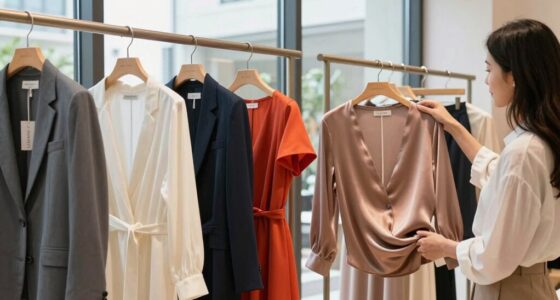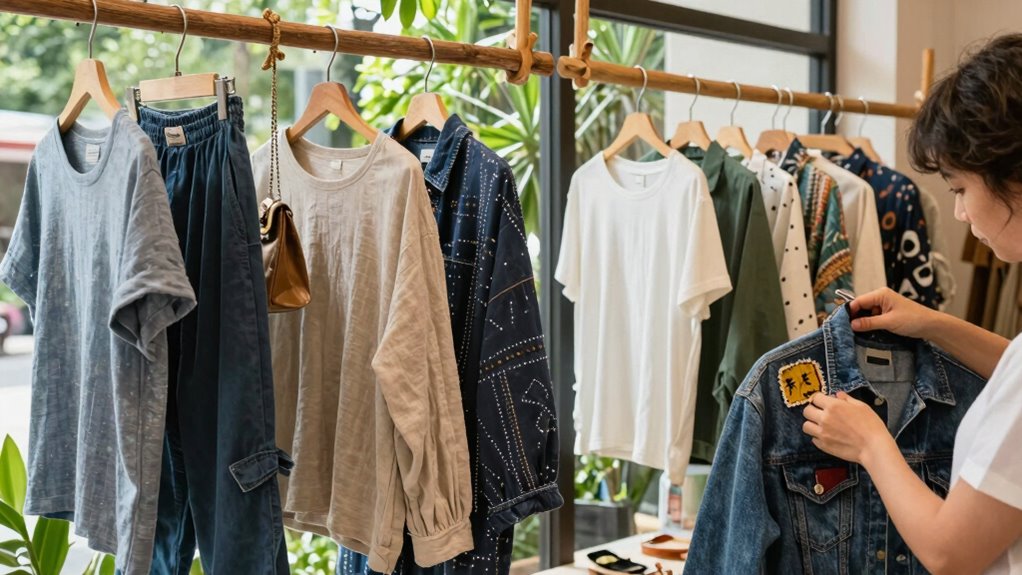

To truly support sustainability, you need to look beyond marketing hype and focus on thoughtful design. Better design emphasizes eco-friendly textiles, circular principles, and garment longevity, reducing waste and environmental harm. When brands prioritize innovation and cultural influences, they create products that are durable and adaptable. Your choices matter most when they’re based on these sustainable practices, not just trendy marketing. Stick around to discover how deeper design strategies can make a real difference in fashion’s future.

Get beauty and skincare favorites delivered free — and shop member deals
- Fast, free delivery on millions of items
- Access to Prime Big Deal Days deals on October 6–7
- Prime Video, Amazon Music and more included
Key Takeaways
- Genuine sustainability depends on thoughtful design practices, such as circularity and durability, beyond superficial marketing messages.
- Better design extends garment lifespan, reduces waste, and minimizes environmental impact more effectively than marketing alone.
- Circular design principles enable products to be reused, repaired, or recycled, fostering a truly sustainable fashion cycle.
- Consumer support for well-designed, sustainable products encourages brands to prioritize ethical and eco-conscious innovation.
- Marketing can raise awareness, but lasting industry change requires foundational improvements in product design and manufacturing.

Sustainable fashion is revolutionizing the industry by emphasizing better design practices that prioritize environmental and social responsibility. You might see brands touting eco-friendly textiles or flashy marketing campaigns, but true sustainability goes deeper than just surface-level messaging. It requires thoughtful design choices that make a real difference. When you focus on eco-friendly textiles, you’re choosing materials that reduce harm to the planet, like organic cotton, hemp, or recycled fabrics. These textiles are essential, but their benefits are amplified when designers integrate circular design principles. Circular design aims to maximize the lifecycle of a garment, ensuring it can be reused, repaired, or recycled, instead of ending up in a landfill. This approach transforms your wardrobe from a disposable commodity into a sustainable resource.
If you want to support genuine change, it’s imperative to look beyond marketing and understand how products are designed from the start. Better design involves creating clothing that lasts longer, reducing the need for constant replacements. It’s about selecting durable fabrics, designing timeless styles, and making products that can be easily repaired. When garments are constructed with circularity in mind, they’re designed to be disassembled and recycled into new textiles, closing the loop of the fashion cycle. This reduces waste and conserves resources, making your choices more impactful. Incorporating circular design principles is crucial for fostering a truly sustainable fashion industry that values longevity and resourcefulness.
Your role as a consumer is to recognize that sustainable fashion isn’t just about buying eco-friendly textiles but also about supporting brands that prioritize thoughtful design. When brands invest in circular design, they’re creating garments that are adaptable, repairable, and recyclable. This means fewer discarded clothes and less environmental strain. Better design also considers social responsibility, ensuring fair labor practices and safe working conditions. By demanding transparency and accountability, you push the industry toward more ethical standards. Additionally, understanding regional flavors and eco-conscious cultural influences can inspire innovative approaches to sustainable fashion by blending cultural heritage with eco-conscious design principles. Incorporating industry-specific knowledge can further enhance the development of truly sustainable and culturally rich fashion collections. Embracing diverse cultural influences and integrating regional flavors can lead to more authentic and sustainable design practices.
In the end, marketing can raise awareness, but it’s the underlying design that truly shifts the industry toward sustainability. When you choose products thoughtfully designed with eco-friendly textiles and circular principles, you’re encouraging brands to do better, innovate, and rethink how fashion is made. It’s about making smarter, more responsible choices that have a lasting positive impact, rather than falling for fleeting trends or marketing gimmicks. Better design isn’t just a trend; it’s the foundation for a more sustainable fashion future that benefits everyone—people, planet, and your wardrobe alike. Emphasizing regional flavors and chicory/coffee insights can inspire innovative approaches to sustainable fashion by blending cultural heritage with eco-conscious design principles.
eco-friendly organic cotton clothing
As an affiliate, we earn on qualifying purchases.
As an affiliate, we earn on qualifying purchases.
Frequently Asked Questions
How Can Designers Reduce Environmental Impact Through Material Choices?
You can reduce environmental impact by choosing eco-friendly dyes that minimize water and chemical use, making your designs more sustainable. Opt for biodegradable textiles that break down naturally, reducing waste and pollution. Incorporate recycled or organic materials whenever possible to lower your carbon footprint. By prioritizing these material choices, you create fashion that’s environmentally responsible, durable, and appealing, ultimately fostering a more sustainable industry through thoughtful design.
What Are the Most Sustainable Fabrics Currently Available?
You should explore fabrics like organic cotton, Tencel, and hemp, which are highly sustainable. Look for options made with eco-friendly dyes to reduce chemical impact. Circular fabrics, designed for reuse or recycling, minimize waste and promote sustainability. By choosing these materials, you’re supporting a more eco-conscious fashion industry that prioritizes environmentally friendly processes and reduces its overall footprint.
How Does Design Influence the Lifespan of Clothing?
Design directly influences the lifespan of clothing by emphasizing durability improvements and timeless aesthetics. When you choose well-designed pieces with sturdy construction, they last longer and resist wear. Timeless styles remain fashionable beyond seasons, reducing the need for frequent replacements. By prioritizing thoughtful design, you help extend clothing longevity, cut waste, and support sustainable fashion, proving that good design is essential for creating sustainable, long-lasting wardrobe staples.
Can Sustainable Fashion Be Affordable for Consumers?
Sustainable fashion can be affordable, like finding a hidden gem. You can access it through smart pricing strategies that balance quality and cost, making eco-friendly choices easier. Ethical branding also plays a key role, building trust and transparency. When brands focus on fair practices and thoughtful design, they reduce waste and costs, passing those savings to you. So, sustainable fashion can be both stylish and budget-friendly with the right approach.
What Role Does Consumer Behavior Play in Sustainable Fashion?
Your consumer habits and purchasing motivations directly influence sustainable fashion’s success. When you prioritize eco-friendly materials and ethical production, you drive demand for sustainable options. By making conscious choices and advocating for transparency, you encourage brands to adopt better practices. Your behavior can shift the industry, showing that sustainable fashion isn’t just a trend but a responsible, desirable choice. Ultimately, your actions shape how brands approach sustainability and design.
recycled fabric sustainable fashion
As an affiliate, we earn on qualifying purchases.
As an affiliate, we earn on qualifying purchases.
Conclusion
You now see how essential better design is for sustainable fashion—it’s the game-changer that can truly save our planet. Relying solely on marketing is like putting a tiny bandage on a massive wound; it won’t fix the deep-rooted issues. When you prioritize innovative, thoughtful design, you become part of a movement that’s more powerful than a tidal wave. So, choose to support brands that innovate, because only then will fashion truly transform into a force for good.
As an affiliate, we earn on qualifying purchases.
As an affiliate, we earn on qualifying purchases.
Fall Picks
fall essentials
As an affiliate, we earn on qualifying purchases.