To customize your denim, try distressing with scissors or a razor for a worn-in look, then soften edges with sandpaper or a pumice stone for authenticity. Add patches from scrap fabric or thrifted clothes to cover rips and personalize your jeans. Embellishments like embroidery, studs, or fabric paint can further elevate your style. These techniques extend your jeans’ life and promote eco-friendly fashion—keep exploring to discover even more creative ways to transform your denim!
Key Takeaways
- Use scissors, razors, or sandpaper to create trendy distressing on knees, pockets, or hems, enhancing vintage or rugged styles.
- Sew patches from recycled fabrics or old clothes onto ripped or reinforced areas to repair and personalize jeans sustainably.
- Add embroidery, fabric patches, studs, or paint for unique designs and personal expression, choosing eco-friendly, recycled materials.
- Combine distressing, patching, and embellishments to transform basic jeans into personalized, eco-conscious statement pieces.
- These techniques extend denim lifespan, promote repair and reuse, and support sustainable fashion practices.
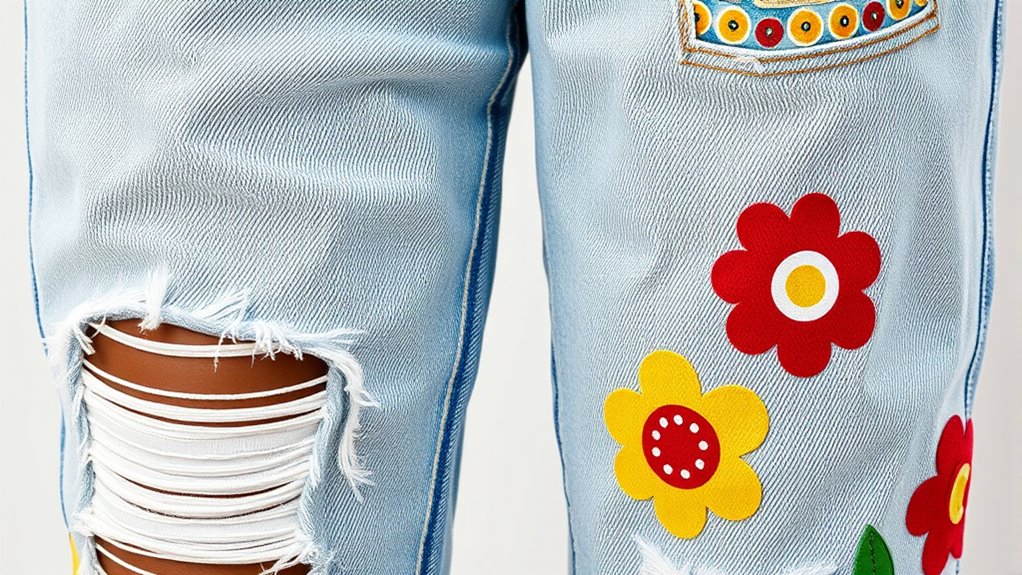
Ever wondered how to transform plain jeans into something uniquely yours? The good news is, with a few simple techniques, you can turn basic denim into a personalized statement piece. One of the most satisfying ways to do this is by exploring embellishment techniques. These methods include adding embroidery, fabric patches, studs, or even fabric paint to create intricate designs or bold accents. Embellishments not only make your jeans stand out but also allow you to express your personality in a creative way. When choosing embellishments, think about sustainable practices—opt for recycled patches or thrifted embellishments to keep your project eco-friendly. Using sustainable materials reduces waste and minimizes environmental impact, aligning your DIY efforts with eco-conscious values. Additionally, selecting cost-effective materials can help keep your project affordable while supporting environmentally responsible choices.
Transform your jeans with eco-friendly embellishments like recycled patches and thrifted accents for a personalized, sustainable style.
If you’re interested in distressing your jeans, start by experimenting with ripping or fraying the fabric. Use a pair of scissors or a razor blade to carefully create tears or distressed areas. You can focus on knees, pockets, or the hems for a trendy, worn-in look. To make the distressing more authentic and less harsh, consider using sandpaper or a pumice stone to soften the edges of the tears. This approach not only adds character but also adheres to sustainable practices because it extends the life of your jeans, reducing the need for new clothing. Distressing is a versatile technique that can give your jeans a vintage vibe or a rugged edge, depending on your preference.
Patching is another excellent way to personalize your denim while promoting sustainability. Instead of discarding ripped jeans, you can add fabric patches made from old clothes or scrap fabric. Sew patches onto the holes or areas you want to reinforce, and get creative with shapes, colors, and textures. Patching not only repairs your jeans but also creates a unique look that reflects your style. Plus, choosing recycled or upcycled fabrics aligns with sustainable practices, making your project environmentally friendly. Patching encourages a slow-fashion mindset, emphasizing repair and reuse rather than constantly buying new.
Ultimately, customizing your jeans through embellishments, distressing, and patching lets you craft a wardrobe that’s both stylish and sustainable. These techniques give new life to old denim, reducing waste and encouraging eco-conscious choices. Whether you prefer a distressed, embellished, or patched aesthetic, each method allows you to put your personal touch on your favorite pair of jeans. So go ahead—grab your supplies, embrace your creativity, and start transforming your denim into something truly one-of-a-kind.
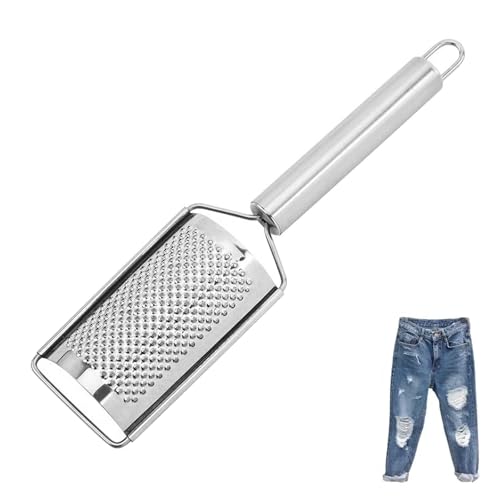
Jean Distressing Tool,Denim Distressing Tool,Distressing Tool for Clothes,Fabric Distressing Tool.
Usage: You can directly polish the jeans back and forth in one direction, you can also use scissors…
As an affiliate, we earn on qualifying purchases.
As an affiliate, we earn on qualifying purchases.
Frequently Asked Questions
How Do I Prevent Over-Distressing My Jeans?
To prevent over-distressing your jeans, start with light distressing techniques and frequently step back to assess your work. Use a gentle hand and avoid excessive sanding or ripping. Regular denim maintenance, like washing and caring for your jeans properly, helps preserve their integrity. Remember, less is more—it’s easier to add more distressing later than fix overdone damage. Keep checking your progress to ensure a balanced, personalized look.
What Are the Best Tools for Patching Denim?
Think of patching like mending a hero’s armor. You’ll want sharp denim scissors for precise cuts and fabric adhesive to hold patches in place. These tools guarantee a clean, secure repair that lasts. The scissors help you cut the patch to size, while the adhesive keeps it steady during sewing. Together, they give your jeans a professional look, making your DIY repair both durable and stylish.
Can I Personalize Jeans With Fabric Paint?
Yes, you can personalize jeans with fabric paint. Use fabric paint techniques like stenciling, freehand designs, or layering colors to create unique looks. Make sure to prep your jeans by washing and drying them first. To get clean lines, use fine brushes or sponges. For jean personalization tips, let each layer dry thoroughly before adding more details. This way, your custom design stays vibrant and lasts through washes.
How Long Does DIY Distressing Typically Last?
DIY distressing usually lasts several months to a year, depending on how often you wear and wash your jeans. The denim lifespan and distressing durability are key factors; the more you wear and wash your jeans, the quicker the distressing may fade or fray. To prolong the look, consider gentle washing and avoid harsh detergents. With proper care, your distressed jeans can stay stylish and durable longer.
Are There Eco-Friendly Methods for Denim Customization?
Imagine your jeans as a blank canvas for change; eco-friendly methods like recycling denim and using natural dyes symbolize renewal and sustainability. You can repurpose old jeans into new, stylish pieces while reducing waste. Natural dyes, derived from plants and minerals, add vibrant color without harmful chemicals. By choosing these methods, you’re embracing eco-conscious fashion, turning your jeans into symbols of environmental care and personal expression.

KING MOUNTAIN Iron-on Repair Patch 20 Pcs Pack,Denim Patches for Jeans Kit 3" by 4-1/4", 100% Cotton Denim Iron-on Repair Patch,Jeans and Clothing Repair and Decoration Kit (Five Color)
Jeans Rescue Plan: Favorite jeans or denim jacket with holes and rips or fraying on the inner thighs,…
As an affiliate, we earn on qualifying purchases.
As an affiliate, we earn on qualifying purchases.
Conclusion
Don’t worry if your first DIY denim project isn’t perfect—practice makes perfect, and every pair becomes uniquely yours. Distressing, patching, and personalizing jeans might seem intimidating at first, but it’s a fun way to express your style and save money. Plus, nobody’s jeans are perfect, so embrace the imperfections as part of your creative journey. Keep experimenting, and soon you’ll have one-of-a-kind jeans you’ll love to wear and show off!
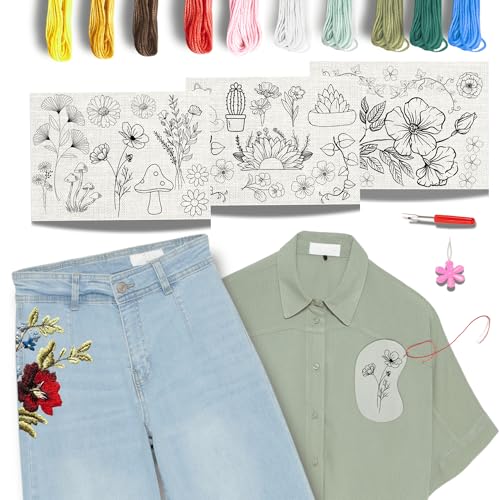
Easy Clothing Embroidery Kit – 34 Water Soluble Stick & Stitch Designs – Embroidery Kit for Clothes Starter Pack, Beginners All Inclusive Kit for Clothing Embroidery
Includes everything you need to get started embroidering your clothes!
As an affiliate, we earn on qualifying purchases.
As an affiliate, we earn on qualifying purchases.

Shuttle Art Fabric Paint, 18 Colors Permanent Soft Fabric Paint in Bottles (60ml/2oz) with Brushes, Palette, Stencils, Non-Toxic Textile Paint for T-Shirts, Shoes, Jeans, Bags, DIY Projects&Art
18 VIBRANT COLORS WITH STENCILS : Shuttle Art fabric paint set contains 18 colors soft fabric paint in…
As an affiliate, we earn on qualifying purchases.
As an affiliate, we earn on qualifying purchases.