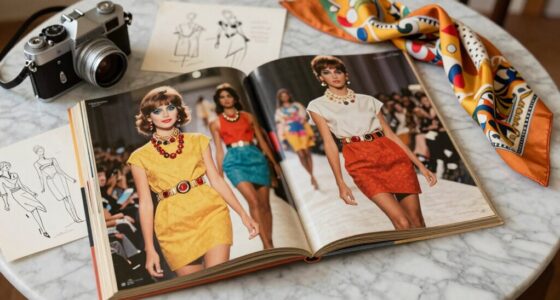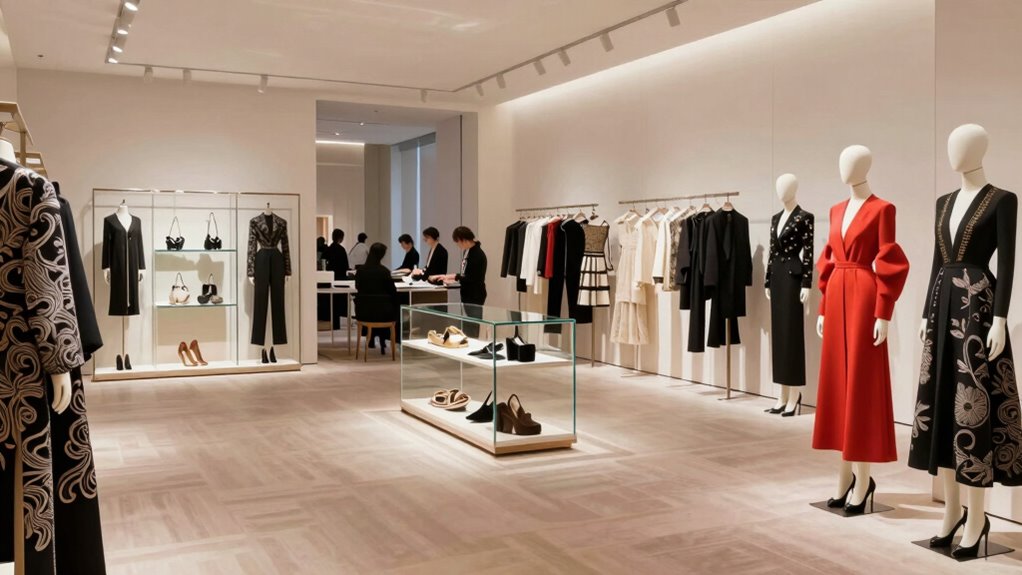

A fashion house focuses on creating exclusive, artistic, and often handmade pieces that push creative boundaries, emphasizing craftsmanship and heritage. These designs are rare and typically limited in quantity, signaling status and luxury. In contrast, clothing brands prioritize mass production, affordability, and trending styles for everyday wear. If you want to understand how these two differ in purpose, approach, and market focus, keep exploring the details behind their unique worlds.

Get beauty and skincare favorites delivered free — and shop member deals
- Fast, free delivery on millions of items
- Access to Prime Big Deal Days deals on October 6–7
- Prime Video, Amazon Music and more included
Key Takeaways
- Fashion houses create exclusive, high-end, often handmade pieces, while clothing brands focus on mass-produced, affordable clothing.
- Fashion houses emphasize artistry, innovation, and tradition; brands prioritize efficiency, trend responsiveness, and accessibility.
- Limited production and bespoke craftsmanship define fashion houses; brands utilize standardized patterns for large-scale manufacturing.
- Fashion houses showcase luxury and heritage, often through elaborate runway shows; brands aim for broad market reach and quick trend adaptation.
- Ownership of haute couture signifies exclusivity and status, contrasting with the widespread availability of clothing brand products.
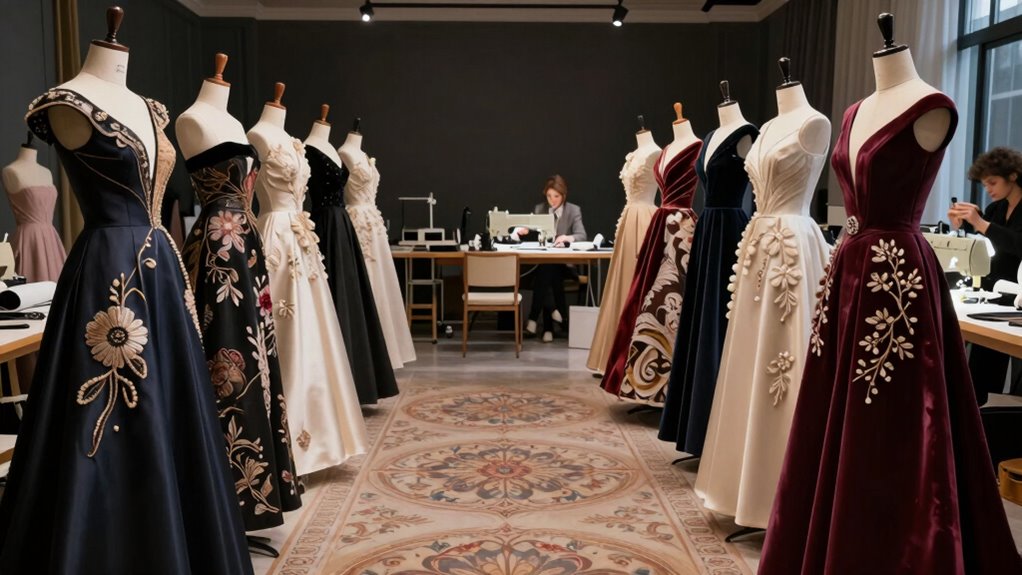
When you think about clothing, you might not realize that there’s a significant difference between fashion houses and clothing brands. At first glance, both create garments you wear daily, but their approaches, goals, and craftsmanship set them apart. A fashion house is often associated with haute couture, which means they produce custom, high-end pieces that are meticulously crafted for individual clients. These garments are made in limited quantities, often by hand, emphasizing artistry, exclusivity, and innovation. The focus isn’t on mass production but on pushing creative boundaries, making each piece a work of art. As a result, fashion houses tend to have a rich heritage and reputation rooted in luxury and craftsmanship, often setting trends rather than following them.
In contrast, clothing brands usually operate on a different scale. They prioritize mass production, which involves creating large quantities of clothing to meet the demands of a broad audience. This approach allows brands to offer more affordable, accessible options for everyday wear. They often leverage economies of scale, streamline manufacturing processes, and use standardized patterns to keep costs low and production efficient. While many clothing brands produce stylish and quality garments, they generally lack the exclusivity and bespoke nature associated with haute couture. Instead, they aim for consistency, affordability, and broad availability, making fashion more accessible to the average consumer. Additionally, many brands are influenced by current fashion trends to appeal to a wide audience quickly and effectively.
What makes fashion houses distinct is their dedication to craftsmanship, innovation, and exclusivity. They often hold elaborate runway shows to showcase their latest collections, emphasizing artistry over practicality. Their pieces are rarely produced in large numbers, and owning one often signifies a certain status or appreciation for high fashion. Some fashion houses also incorporate sustainable and regenerative practices, reflecting a growing industry commitment to environmental responsibility. Recognizing the importance of heritage and tradition, many fashion houses maintain time-honored techniques that have been passed down through generations, further elevating their craftsmanship. This focus on tailored and bespoke designs allows for a level of personalization that mass-produced garments cannot match. Conversely, clothing brands focus on a different value proposition: delivering trendy, functional clothing that appeals to mass markets. They use mass production techniques to meet consumer demands efficiently, often introducing new styles quickly to keep up with fast-changing fashion trends. Additionally, the heritage and reputation of fashion houses often serve as a mark of authenticity and quality that influences the entire fashion industry.
Ultimately, the key difference lies in purpose and scale. Fashion houses create limited, bespoke pieces that prioritize artistry and exclusivity, while clothing brands produce large volumes of accessible, affordable garments designed for everyday use. Recognizing this distinction helps you understand why some clothing feels like an investment in luxury, while others are simply part of your daily wardrobe. Both play vital roles in the fashion world, but knowing what sets them apart helps you appreciate the craftsmanship behind haute couture and the practicality of mass-produced clothing.
As an affiliate, we earn on qualifying purchases.
Frequently Asked Questions
How Do Fashion Houses Influence Global Fashion Trends?
You can see how fashion houses influence global trends through their runway shows, which set the tone for upcoming styles. They work with trend forecasting to predict what’s next, shaping what designers and brands follow worldwide. When you watch these shows, you notice the latest designs, colors, and silhouettes, which often trickle down into everyday fashion. Their creative vision directly impacts the styles you wear, making them key trendsetters.
What Is the Typical Timeline for a New Collection Release?
You typically see a new collection released every six months, aligning with fashion seasons. During this timeline, the fashion house incorporates sustainable practices, guaranteeing eco-friendly materials and ethical production. Digital marketing plays a crucial role, building anticipation through social media teasers and online campaigns. This strategic approach keeps your audience engaged, highlights their commitment to sustainability, and secures the collection’s successful launch across global markets.
How Do Fashion Houses Select Their Celebrity Ambassadors?
Imagine stepping into a world where your style dreams come true. Fashion houses select celebrity ambassadors through a mix of strategic brand ambassador selection and celebrity collaborations that align with their image. They look for stars whose persona and values mirror their brand essence, creating authentic connections. This process guarantees the ambassador’s influence amplifies the brand’s message, drawing fans and followers into the world of high fashion with a relatable, glamorous touch.
What Are the Main Challenges Faced by Emerging Fashion Houses?
You face several challenges as an emerging fashion house, including establishing a unique identity and gaining visibility. Balancing sustainable practices with cost efficiency can be tough, but it’s essential for long-term success. Collaborating with artisans helps create authentic, high-quality pieces, yet managing these partnerships requires careful coordination. Staying innovative while maintaining brand integrity and building a loyal customer base are ongoing hurdles, but your commitment to craftsmanship and sustainability can set you apart.
How Do Clothing Brands Maintain Consistency Across Collections?
You keep your collections consistent by focusing on brand loyalty and design innovation. Every piece must reflect your core identity, creating a signature look that keeps customers coming back. Yet, beneath this familiarity lies the thrill of surprise—new designs that push boundaries without losing your essence. This delicate balance keeps your brand fresh, engaging, and fiercely recognizable, ensuring your audience stays captivated and loyal to your ever-evolving vision.
handmade designer fashion pieces
As an affiliate, we earn on qualifying purchases.
As an affiliate, we earn on qualifying purchases.
Conclusion
So, next time you spot a runway show or a boutique, remember it’s no accident—fashion houses and clothing brands each have their own story to tell. Whether it’s the artful craftsmanship or the wider reach, these differences shape your wardrobe in ways you might not notice. Sometimes, it’s just a coincidence that you find yourself drawn to one over the other, but now, you’ll see the subtle lines that make each unique.
As an affiliate, we earn on qualifying purchases.
As an affiliate, we earn on qualifying purchases.
Fall Picks
fall essentials
As an affiliate, we earn on qualifying purchases.