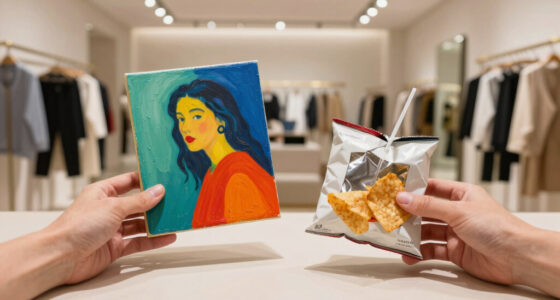
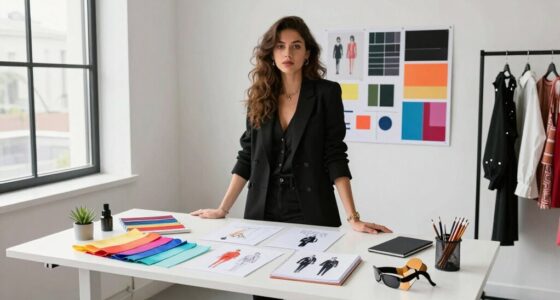
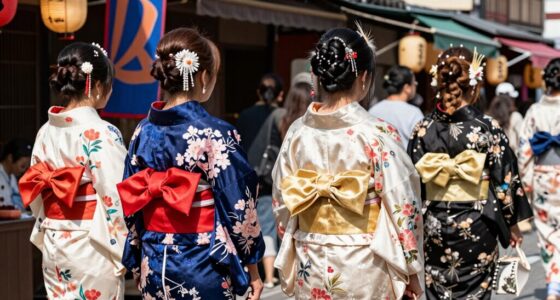
Editorial fashion is a creative way to showcase clothing and style through bold photos and artistic stories. It goes beyond everyday wear by focusing on visual impact, innovative designs, and striking visuals. You’ll see exaggerated looks, unique locations, and dramatic lighting that challenge norms and inspire. This form of fashion turns clothing into art, capturing emotions and ideas. If you want to discover more about how editorials push fashion boundaries, keep exploring this exciting world.
Key Takeaways
- Editorial fashion is a creative way of showcasing clothing as art, often seen in magazines and ads.
- It uses bold concepts and striking visuals to tell a story or express a mood.
- It focuses on artistic and imaginative styles rather than practicality.
- Photography plays a key role in capturing the mood and creative ideas.
- Its goal is to inspire, challenge norms, and influence fashion trends.
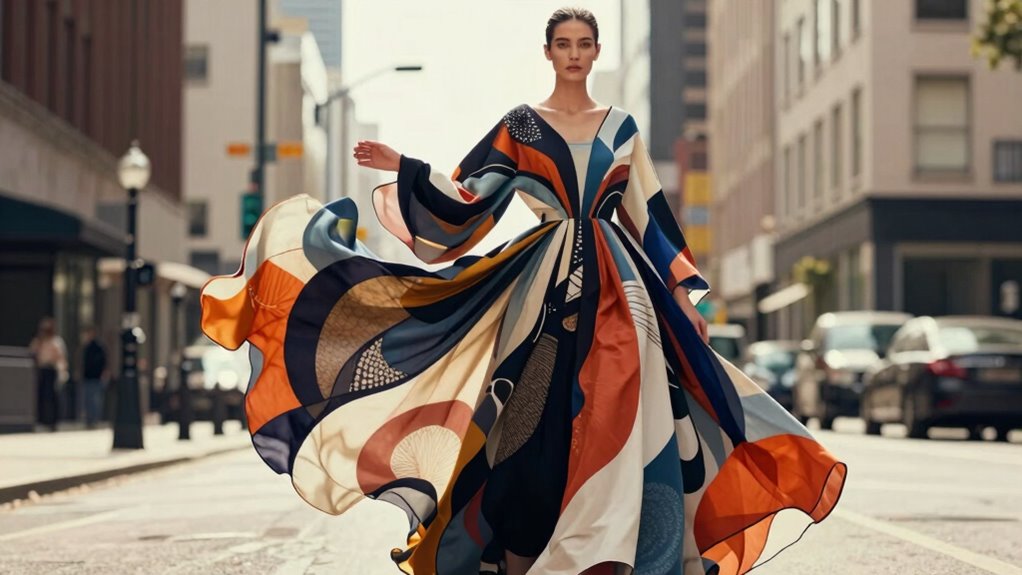
Have you ever wondered what sets editorial fashion apart from everyday style? It’s not just about what you wear on a daily basis; it’s about creating visual stories that captivate and inspire. Editorial fashion is a form of artistic expression within the fashion industry, often showcased in magazines, lookbooks, and advertising campaigns. Instead of focusing on practicality or comfort, it emphasizes bold concepts, innovative designs, and striking visuals. This is where runway trends come into play, inspiring the creative direction of editorial shoots. Designers and stylists draw heavily from runway shows, translating those high-concept ideas into images that challenge norms and push boundaries. Fashion photography, in this context, becomes a powerful tool to bring these ideas to life. Photographers work closely with stylists and models to craft images that evoke emotion, tell a story, or make a statement. Additionally, the use of visual storytelling techniques helps to deepen the impact of each editorial piece. Incorporating backyard transformation essentials can also serve as inspiration for unique and innovative settings that enhance the narrative. Understanding how trend forecasting influences editorial themes enables creatives to stay relevant and ahead of the curve.
In editorial fashion, every detail matters—clothing, accessories, makeup, and setting all work together to create a mood or theme. Unlike everyday style, which prioritizes wearability, editorial looks are often exaggerated or fantastical, meant to evoke reactions. These images aren’t necessarily meant to be worn as-is but are instead designed to influence trends, showcase new ideas, or highlight a designer’s vision. When you look at magazine spreads or campaign images, you’re witnessing the culmination of a creative process that involves interpreting runway trends in a visually compelling way. Fashion photography plays a crucial role here, capturing the essence of the concept and transforming it into a picture that feels both artistic and aspirational. Understanding the market trends helps stylists and photographers align their visions with what’s current and influential in the fashion world.
Editorial fashion is about storytelling through visuals. It’s where fashion meets art, and the goal is to evoke a sense of wonder, curiosity, or even controversy. The images often feature avant-garde styling, unusual locations, or dramatic lighting—all techniques that serve to enhance the narrative. This is different from everyday style, which tends to be more pragmatic, reflecting personal taste and practicality. In editorial shoots, you’re encouraged to see beyond the clothes and appreciate the creativity behind the scene. It’s about pushing the limits of fashion photography and staying ahead of runway trends, all to produce imagery that leaves a lasting impression. Ultimately, editorial fashion transforms clothing into a form of visual art, making it an exciting and influential part of the fashion world.
editorial fashion photography lighting equipment
As an affiliate, we earn on qualifying purchases.
As an affiliate, we earn on qualifying purchases.
Frequently Asked Questions
How Does Editorial Fashion Influence Mainstream Clothing Trends?
Editorial fashion influences mainstream clothing trends by showcasing fashion innovation and telling compelling trend stories. When you see bold, creative styles in magazines or on runways, they often inspire designers and brands to adopt new ideas. This trend storytelling sparks interest, encourages experimentation, and eventually filters into everyday wear. Your favorite outfits might be shaped by these editorial influences, shaping what becomes popular and accessible in your daily wardrobe.
What Are the Key Differences Between Editorial and Commercial Fashion?
You notice that editorial fashion focuses on artistic expression through fashion photography and innovative styling techniques, often pushing boundaries. In contrast, commercial fashion aims to appeal to a broad audience with more accessible, market-driven styles. Editorial shoots experiment with creativity, dramatic visuals, and storytelling, while commercial campaigns prioritize sellability. The key difference lies in their purpose: one inspires and challenges, the other promotes and sells clothing to consumers.
Who Are the Typical Creators Behind Editorial Fashion Shoots?
You’ll find that editorial fashion shoots are typically created by a team of talented professionals, including fashion photographers and stylists, who craft compelling visual stories. These creators use fashion photography to highlight innovative designs, while their goal is to tell a creative story that captures attention and inspires. With their combined skills, they bring concepts to life, making each editorial a unique piece of artistic storytelling that resonates with viewers.
How Does Editorial Fashion Reflect Cultural or Social Issues?
Editorial fashion reflects cultural symbolism and social commentary by using clothing and visuals to make powerful statements. You’ll notice it challenges stereotypes, highlights societal issues, or celebrates diverse identities. Through bold designs and creative styling, editorial shoots become a platform to question norms or showcase cultural heritage. This art form invites viewers to think critically about current social dynamics, making fashion a mirror of cultural values and societal shifts.
Can Anyone Participate in Creating or Contributing to Editorial Fashion?
Think of editorial fashion as a vibrant garden—you can plant your own unique seeds. Anyone can participate in creating or contributing to it, especially through fashion photography and showcasing model diversity. Your ideas, creativity, and perspective can shape stories on runways or pages. Whether you’re a designer, photographer, or enthusiast, your voice adds color and depth to editorial fashion, making it a dynamic space for expression and innovation.
artistic fashion styling accessories
As an affiliate, we earn on qualifying purchases.
As an affiliate, we earn on qualifying purchases.
Conclusion
Think of editorial fashion as a vibrant storybook, each page bursting with bold images and ideas that challenge the ordinary. Just like a storyteller captures your imagination with vivid tales, editorial fashion invites you to see clothing as art and expression. It’s your chance to step into a world where imagination rules and boundaries blur. Embrace it, and let your style become a daring chapter in this colorful story, inspiring others to follow your lead.
creative fashion photo shoot backdrops
As an affiliate, we earn on qualifying purchases.
As an affiliate, we earn on qualifying purchases.
As an affiliate, we earn on qualifying purchases.