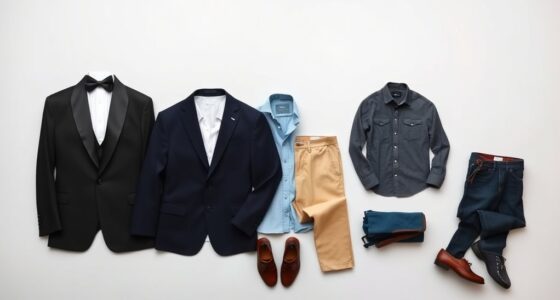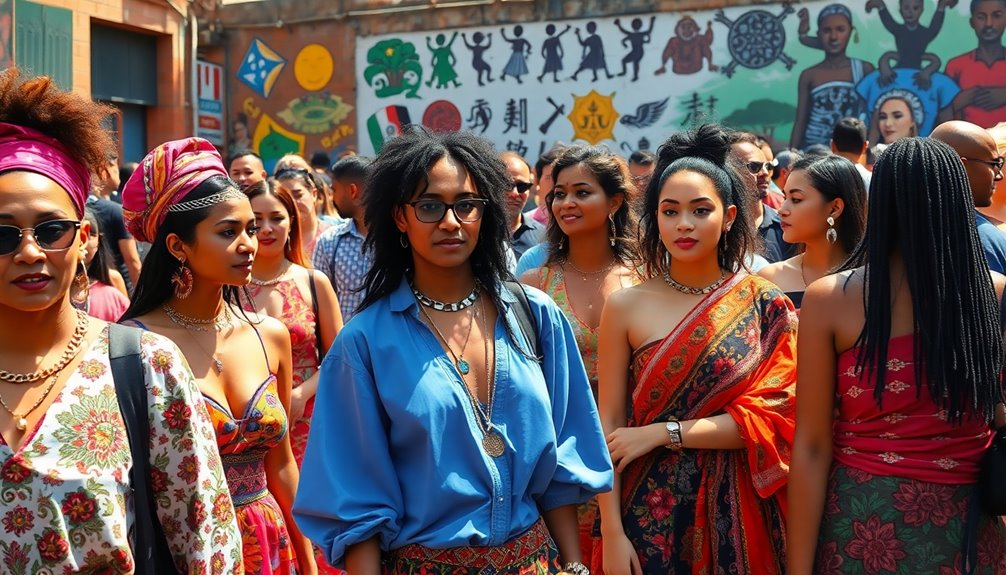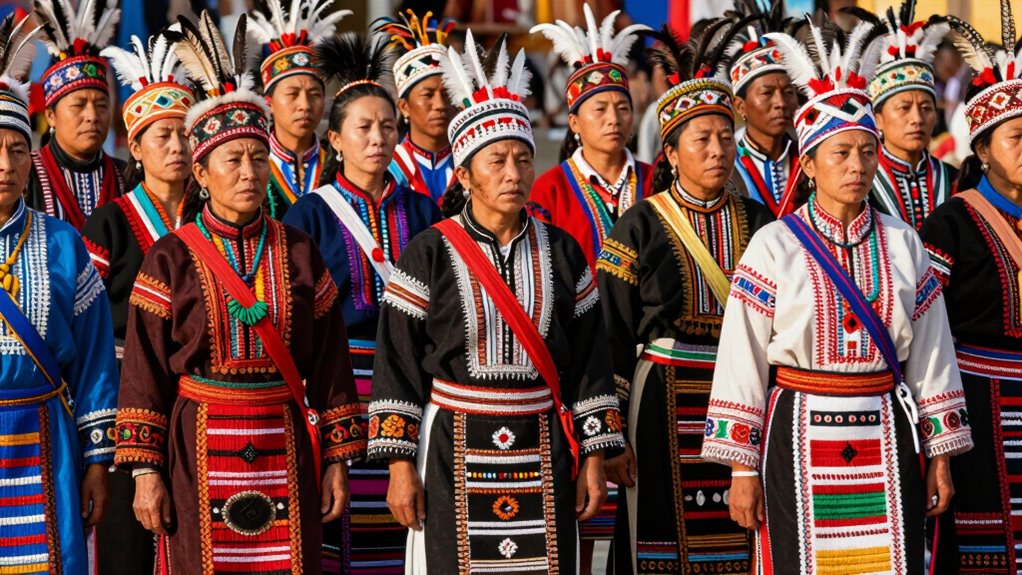

Uniform dressing holds immense cultural power because it connects you to a group’s history, values, and identity. It symbolizes shared experiences, traditions, and societal bonds, fostering a strong sense of belonging and loyalty. Whether in military, cultural, or community contexts, uniforms communicate collective purpose and pride. They remind you of past sacrifices and cultural stories. To understand how uniforms shape identities and reinforce social cohesion, explore further.

Get beauty and skincare favorites delivered free — and shop member deals
- Fast, free delivery on millions of items
- Access to Prime Big Deal Days deals on October 6–7
- Prime Video, Amazon Music and more included
Key Takeaways
- Uniforms symbolize shared cultural values and historical narratives, reinforcing societal identity and collective memory.
- Traditional attire and uniforms embody cultural stories, spiritual beliefs, and community heritage passed through generations.
- Design and symbolism in uniforms reflect societal ideals, values, and national or group identity.
- Wearing uniforms fosters group cohesion, loyalty, and a sense of belonging within communities or institutions.
- The historical significance of uniforms highlights their role in representing conflicts, sacrifices, and cultural continuity.
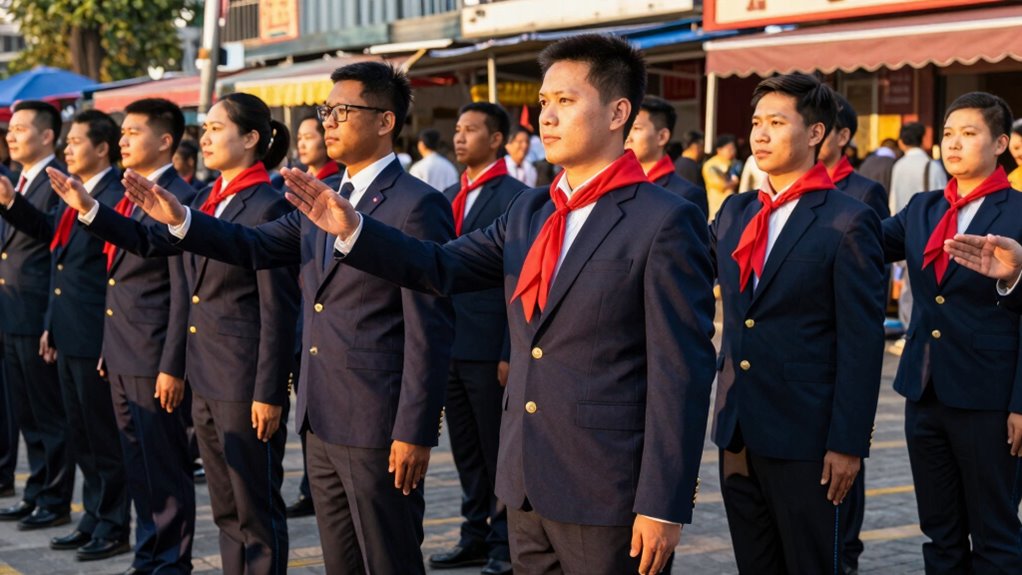
Have you ever wondered how a simple uniform can carry so much meaning? It’s more than just clothing; it’s a symbol packed with historical significance and a powerful tool for identity reinforcement. When you see someone dressed in a uniform, you’re witnessing a visual representation of collective history—the traditions, struggles, and achievements embedded in its design. Uniforms often tell stories of a particular era or movement, acting as a tangible link to the past. For example, military uniforms symbolize a nation’s history of conflict and sacrifice, reminding you of battles fought and values defended. They serve as a reminder of shared history, giving those who wear them—and those who observe—a sense of continuity and collective memory. Additionally, the design and symbolism incorporated into uniforms often reflect cultural values, making them even more meaningful. This symbolism can also influence perceptions and attitudes toward the group or institution represented by the uniform.
Uniforms embody history, tradition, and sacrifice, connecting wearers and observers through shared stories and collective memory.
Beyond history, uniforms play an essential role in reinforcing identity. When you put on a uniform, you’re aligning yourself with a group, a cause, or an institution. It’s a way of signaling belonging and shared purpose, creating an immediate sense of community. Whether it’s a school, a sports team, or a corporate environment, the uniform acts as a visual cue that you’re part of something larger than yourself. This sense of belonging can boost confidence and foster loyalty, as it’s easier to feel connected when your appearance aligns with a shared identity. Uniforms strip away individual differences, focusing attention on common goals and values, which helps cultivate team spirit and unity. The history of uniform symbolism demonstrates how deeply these garments are intertwined with collective memory and societal values. Recognizing the power of visual symbols can deepen our understanding of their significance in societal contexts. Furthermore, in Indigenous cultures like the Noongar and Koori communities, traditional clothing and adornment serve as powerful cultural symbols, embodying stories, spiritual beliefs, and community identity that have been passed down through generations.
As an affiliate, we earn on qualifying purchases.
Frequently Asked Questions
How Do Uniforms Influence Individual Identity and Self-Expression?
Uniforms shape your personal identity by creating a sense of belonging and shared purpose. They suppress individual expression, emphasizing collective identity over personal style. While they limit cultural expression through unique clothing choices, they also foster unity and discipline. You may feel less free to showcase your personality, but uniforms can strengthen group cohesion. Overall, they balance the influence on personal identity with the promotion of a collective cultural narrative.
Are There Negative Effects of Uniform Dressing on Creativity?
Yes, uniform dressing can negatively impact creativity by promoting fashion conformity and personal restriction. When everyone wears the same outfit, it limits your ability to express individuality through clothing. You might feel constrained, and your unique style may be suppressed. This uniformity discourages experimenting with different looks, which can stifle your creative spirit. Ultimately, it reduces opportunities for personal expression and can make everyday choices feel monotonous.
How Do Uniforms Impact Social Equality and Class Distinctions?
Uniforms can reduce visible social hierarchy and diminish power dynamics by creating a sense of equality among wearers. When everyone dons the same attire, it minimizes class distinctions, fostering inclusivity. However, you should also recognize that uniforms might mask underlying social differences or reinforce conformity, which can influence perceptions of status. Overall, uniforms have the potential to promote social equality but may also obscure individual identity and social nuances.
What Are the Environmental Implications of Uniform Manufacturing?
You should know that uniform manufacturing has significant environmental implications. Using sustainable materials and eco-friendly manufacturing processes can reduce waste, conserve resources, and lower carbon emissions. When you choose uniforms made with recycled fabrics or biodegradable fibers, you’re supporting environmentally responsible practices. However, traditional manufacturing often involves harmful chemicals and excessive water use, which can damage ecosystems. Embracing sustainable options helps minimize these impacts and promotes a greener future.
How Do Cultural Differences Shape Uniform Design and Acceptance?
You find that cultural differences subtly influence uniform design and acceptance through cultural symbolism and traditional aesthetics. These elements guide choices in color, fabric, and style, ensuring the uniform resonates with local values and identity. When designs honor cultural symbolism, people feel a deeper connection and acceptance. This thoughtful approach fosters respect and unity, allowing uniforms to transcend mere practicality and become meaningful expressions of cultural heritage.
As an affiliate, we earn on qualifying purchases.
Conclusion
So, next time you slip into your uniform, remember you’re not just dressing for function but for tradition, identity, and unity—like a knight donning armor before battle. Uniforms wield the power to shape perceptions and foster belonging, transcending time and culture. Just as a Tudor suit of armor signals status and allegiance, your attire speaks volumes about who you are and what you stand for, proving that clothing is truly a silent but mighty language.
As an affiliate, we earn on qualifying purchases.
As an affiliate, we earn on qualifying purchases.
Fall Picks
fall essentials
As an affiliate, we earn on qualifying purchases.