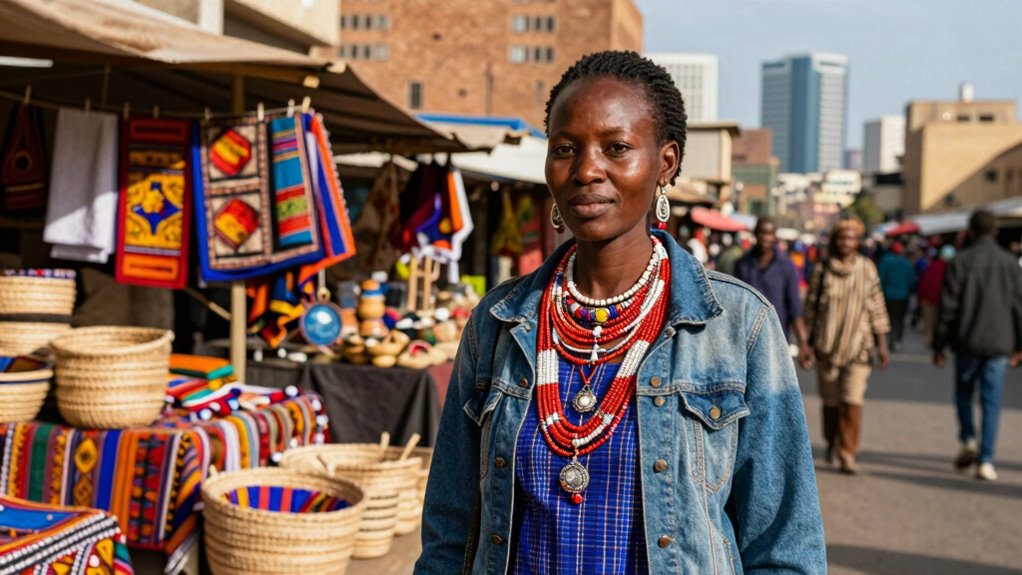

Understanding the cultural context behind fashion makes it more interesting because it reveals stories, traditions, and identities that add depth to your style. When you recognize symbols, craftsmanship, and cultural significance, clothing becomes a visual language of heritage and community. It connects you to history, beliefs, and collective memory, making each piece meaningful. If you keep exploring, you’ll discover how fashion reflects more than trends—it’s a vibrant story of human expression.

Get beauty and skincare favorites delivered free with Prime
- Fast, free delivery on millions of items
- Prime Video, Amazon Music and more included
- Member-only deals all year
Key Takeaways
- Cultural context reveals the deeper stories, symbolism, and history behind fashion choices, enriching appreciation and understanding.
- Traditional attire showcases craftsmanship and artistry, highlighting cultural heritage and preserving skills across generations.
- Incorporating cultural symbols in fashion fosters a sense of identity, pride, and community connection.
- Fashion inspired by cultural context promotes innovation while honoring and respecting diverse cultural traditions.
- Recognizing cultural influences transforms fashion from superficial trends into meaningful expressions of collective memory.

Have you ever wondered how cultural backgrounds influence the way people dress? It’s fascinating to see how traditional attire reveals more than just style; it embodies history, beliefs, and identity. When you look at someone’s clothing, you’re often glimpsing a story painted in fabric, threads, and colors. Traditional attire isn’t just about aesthetics—it’s about fashion symbolism. Each element, from patterns to accessories, holds meaning, signaling social status, spiritual beliefs, or community ties. For example, a kimono in Japan isn’t just a beautiful garment—it reflects centuries of tradition and social hierarchy. Similarly, a sari in India isn’t merely a piece of clothing; it’s a symbol of cultural pride, often worn during special occasions to honor history and customs.
Traditional attire reveals history, beliefs, and identity through meaningful patterns, symbols, and craftsmanship.
When you recognize these symbols, fashion becomes more than a trend. It’s a language that communicates heritage and personal identity. Traditional attire can act as a visual declaration of belonging or pride, especially in multicultural settings. You might notice that during cultural festivals or ceremonies, people don their traditional clothing to celebrate roots and pass down stories through generations. This practice preserves cultural identity in a world that’s constantly changing, making fashion a living, breathing expression of history and values. Recognizing the cultural significance behind these garments helps deepen appreciation for their artistry and meaning. Additionally, understanding the symbolism in traditional dress enriches your perspective on how fashion functions as a form of cultural communication. This cultural context also influences contemporary fashion, inspiring modern designers to incorporate traditional patterns and techniques into their collections. For instance, some designers incorporate traditional embroidery and dyeing techniques to create contemporary pieces that honor heritage.
Furthermore, exploring the craftsmanship of traditional attire reveals the incredible skill and dedication involved in their creation, which often spans generations. These garments are often handcrafted, with intricate embroidery, vibrant dyes, and detailed embellishments that tell their own stories. This craftsmanship isn’t just about aesthetics; it’s a form of cultural preservation. When you see a beautifully embroidered garment, you’re witnessing a piece of history and cultural resilience. This adds depth to your view of fashion, transforming it from superficial trends to meaningful expressions of human creativity and cultural continuity.
In essence, cultural context enriches fashion by adding layers of meaning to what you wear or observe. Traditional attire and the fashion symbolism embedded within it reveal shared histories and values that might otherwise go unnoticed. When you recognize these elements, you gain a deeper understanding of people’s identities and histories. It reminds you that fashion is more than just personal style; it’s a reflection of community, tradition, and collective memory. Embracing this perspective makes fashion more interesting, authentic, and connected to the stories that shape us all.
traditional cultural attire for women
As an affiliate, we earn on qualifying purchases.
As an affiliate, we earn on qualifying purchases.
Frequently Asked Questions
How Does Culture Influence Fashion Trends Globally?
You see, culture influences global fashion trends by shaping styles through traditions, symbols, and craftsmanship. As you explore fashion sustainability, you recognize how cultural exchange promotes eco-friendly practices and diverse designs. This interconnectedness encourages designers to blend elements from different backgrounds, creating innovative trends. By understanding cultural roots, you appreciate fashion’s richness, making it more meaningful and inclusive, while fostering respect for traditions and promoting sustainable, cross-cultural innovation.
Can Cultural Appropriation Harm Fashion Industries?
Cultural appropriation can harm fashion industries by muddying the waters of cultural sensitivity and ethical design. When you overlook origins, you risk turning rich traditions into superficial trends, like painting over a masterpiece. This diminishes respect and authenticity, leading to misrepresentation and offense. By prioritizing cultural sensitivity, you help guarantee that fashion celebrates diversity authentically, fostering respect and understanding instead of exploitation.
What Are Examples of Traditional Garments Becoming Modern Fashion?
You see traditional garments like the kimono, sari, or dashiki transforming into modern fashion, blending historical preservation with cultural fusion. Designers incorporate these elements into contemporary styles, respecting their significance while making them trendy. This fusion celebrates heritage and promotes awareness. By doing so, you help preserve cultural identities, foster appreciation, and create innovative fashion that honors history while appealing to today’s global audience.
How Do Designers Incorporate Cultural Symbols Respectfully?
You should research the symbols’ significance carefully before incorporating them into your designs to guarantee cultural sensitivity. Respectful use involves consulting with cultural representatives, understanding the meaning behind symbols, and avoiding stereotypes or misappropriation. By doing so, you honor the culture’s traditions and demonstrate genuine appreciation, rather than exploitation. This approach helps create meaningful fashion that celebrates diversity while maintaining respect and authenticity.
Does Cultural Diversity Enhance Fashion Innovation?
Yes, cultural diversity definitely enhances fashion innovation. When you embrace cultural fusion, you blend different styles and ideas, creating fresh, exciting designs. It encourages designers to explore heritage preservation while pushing boundaries. By incorporating diverse cultural elements, you can develop unique collections that celebrate global influences. This mix of traditions and modernity sparks creativity, making fashion more dynamic and enriching for both creators and wearers alike.
handcrafted embroidered garments
As an affiliate, we earn on qualifying purchases.
As an affiliate, we earn on qualifying purchases.
Conclusion
Just as the tapestry of history and myth enriches storytelling, so does cultural context deepen fashion’s allure. When you embrace the stories behind each style, you become part of a vibrant narrative woven through time and tradition. Remember, fashion isn’t just about clothing — it’s a living echo of our collective identity. By valuing cultural roots, you keep the flame of creativity burning bright, turning everyday outfits into timeless symbols of connection and meaning.
cultural heritage clothing accessories
As an affiliate, we earn on qualifying purchases.
As an affiliate, we earn on qualifying purchases.
ethnic fashion inspired by tradition
As an affiliate, we earn on qualifying purchases.
As an affiliate, we earn on qualifying purchases.
Halloween Picks
halloween
As an affiliate, we earn on qualifying purchases.