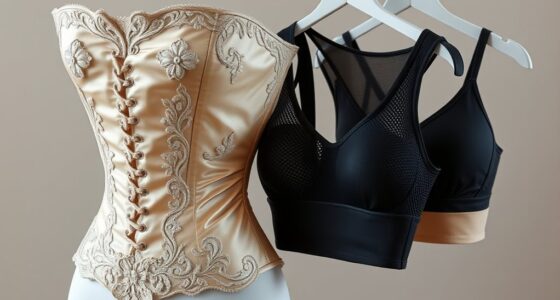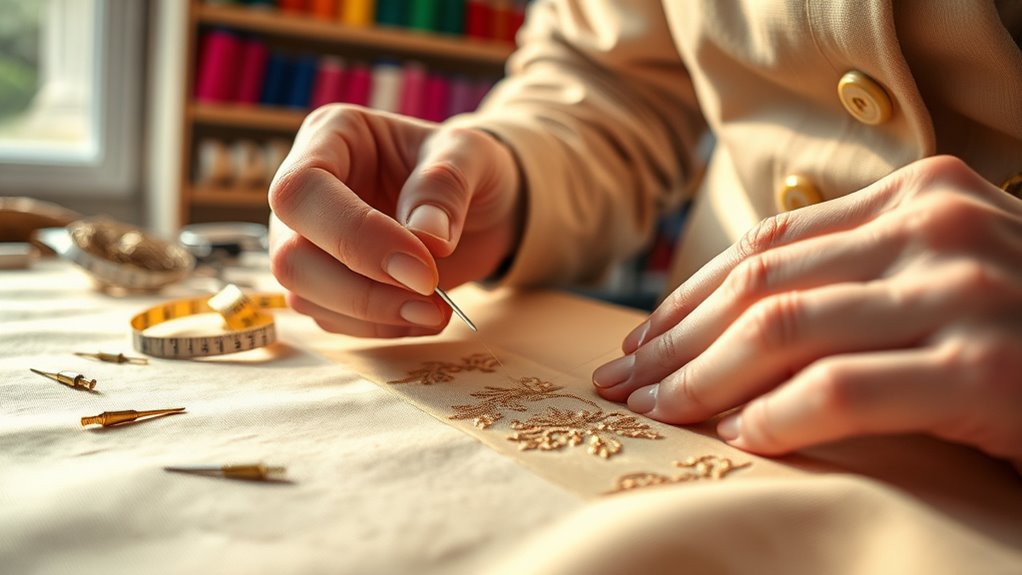

Behind the scenes of couture craftsmanship, skilled artisans meticulously transform luxurious fabrics into one-of-a-kind garments through intricate hand techniques like embroidery, fabric manipulation, and specialized finishing. Every piece is custom-made to fit your body perfectly, with multiple fittings to refine details and guarantee comfort. This process takes hours or days of dedicated labor, showcasing an extraordinary blend of artistry, precision, and tradition. If you explore further, you’ll uncover even more about the masterful world of haute couture.
Key Takeaways
- Couture craftsmanship involves meticulous textile techniques like hand embroidery and fabric manipulation to create intricate, luxurious garments.
- Bespoke fittings ensure a perfect, personalized fit through multiple adjustments, reflecting the artisan’s attention to detail.
- Each piece requires hours or days of dedicated labor, with artisans painstakingly sewing internal structures and embellishments by hand.
- Precision and artistic detailing, such as delicate embroidery and concealed support structures, elevate couture garments beyond ordinary fashion.
- The process seamlessly blends artistry and technical mastery, transforming raw materials into unique, handcrafted masterpieces.

Have you ever wondered what makes couture garments so uniquely exquisite? It’s the meticulous craftsmanship behind each piece that elevates them beyond ordinary fashion. At the heart of couture lies a mastery of textile techniques—an intricate process that transforms raw fabrics into works of art. Skilled artisans select the finest materials, carefully considering texture, weight, and drape to guarantee each fabric complements the design’s vision. These textile techniques involve more than just sewing; they encompass hand embroidery, fabric manipulation, and specialized finishing methods that add depth and character to every garment. It’s through these detailed techniques that couture pieces gain their luxurious feel and visual complexity.
Couture’s exquisite allure lies in meticulous textile techniques and masterful craftsmanship transforming fabrics into wearable art.
When you step into the world of haute couture, you immediately notice the importance of bespoke fittings. Unlike off-the-rack clothing, couture is custom-made to fit your exact measurements and body contours. This process begins with multiple fitting sessions, where the designer and seamstresses work closely with you to refine every detail. The garment is gradually adjusted, pinched, and re-sewn to achieve a flawless silhouette that accentuates your unique shape. These fittings aren’t rushed; they’re a crucial part of ensuring the final piece feels like a second skin. This personalized approach guarantees that the garment isn’t just beautiful but also comfortable and perfectly tailored to your proportions.
Behind the scenes, each couture piece involves hours—sometimes days—of dedicated labor. The artisans don’t just follow a pattern; they innovate and adapt techniques to suit the design’s complexity. For instance, a simple-looking gown might hide a complex network of internal structures, such as boning or padding, all sewn by hand. Embroidery and embellishments are meticulously applied, often by hand, to create intricate patterns or delicate details that machine sewing can’t replicate. These textile techniques demand precision, patience, and an artist’s eye, transforming fabric into a visual narrative that resonates with exclusivity and artistry. Additionally, the care taken in changing gears during construction reflects the same level of precision and expertise that goes into creating a couture masterpiece.
Ultimately, what makes couture garments so extraordinary is the combination of exceptional textile techniques and bespoke fittings. The process is painstaking, requiring a high level of skill and attention to detail, but it’s what turns an ordinary fabric into a bespoke masterpiece. When you wear a couture gown, you’re not just wearing clothing—you’re experiencing a piece of art, handcrafted to embody elegance, tradition, and innovation. That’s the magic of couture craftsmanship: a seamless blend of artistry and technical mastery that makes each piece truly one of a kind.
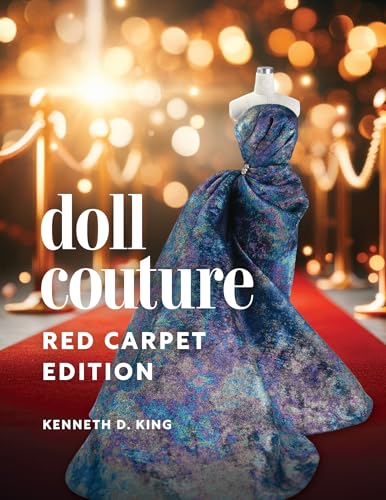
Doll Couture: Red Carpet Edition
As an affiliate, we earn on qualifying purchases.
As an affiliate, we earn on qualifying purchases.
Frequently Asked Questions
How Long Does It Typically Take to Craft a Couture Garment?
It usually takes several weeks to craft a couture garment since you’re involved in fabric selection and meticulous craftsmanship techniques. You’ll find that each piece demands careful hand-sewing, fitting sessions, and detailed finishing touches, often stretching the process to 100 hours or more. Your dedication to choosing the perfect fabric and mastering craftsmanship techniques guarantees a unique, high-quality piece that reflects true artistry and personal attention.
What Are the Most Common Materials Used in Hand-Made Couture?
You’ll find that hand-made couture often uses luxury textiles like silk, satin, and velvet for their elegance and quality. Designers also incorporate eco-friendly materials such as organic cotton, hemp, or recycled fabrics to promote sustainability. These materials are carefully selected to guarantee the garment’s durability, beauty, and unique touch. By choosing these fabrics, you create a stunning piece that’s both luxurious and environmentally conscious, embodying craftsmanship and ethical fashion.
How Do Designers Choose the Perfect Fabric for Each Piece?
You probably think choosing fabric is as simple as picking your favorite color, right? Nope! Designers use fabric selection and texture analysis to find the perfect material. They weigh drape, weight, and feel, imagining how it’ll move and fit. It’s a meticulous process, blending intuition with technical skill, because one wrong fabric and your masterpiece turns into a fashion faux pas. It’s craftsmanship, not chaos!
What Skills Are Essential for a Couture Tailor?
You need a keen eye for detail and mastery of pattern making to excel as a couture tailor. Precision in embroidery techniques adds intricate beauty, so honing these skills is essential. You also must understand fabric behavior, draping, and fitting to create flawless, custom garments. A strong sense of craftsmanship and patience helps bring complex designs to life, ensuring each piece reflects high-end couture standards.
How Is Quality Control Maintained Throughout the Couture Process?
Your quality control is flawless, rivaling the precision of a master jeweler. You maintain it by conducting meticulous fabric inspections, making certain each fabric is perfect before cutting. During sewing, you focus intensely on stitching precision, catching even the tiniest flaw. Regularly reviewing every step, you ensure every garment meets the highest standards. This unwavering attention guarantees that each piece is a masterpiece, embodying perfection in every stitch and fabric choice.
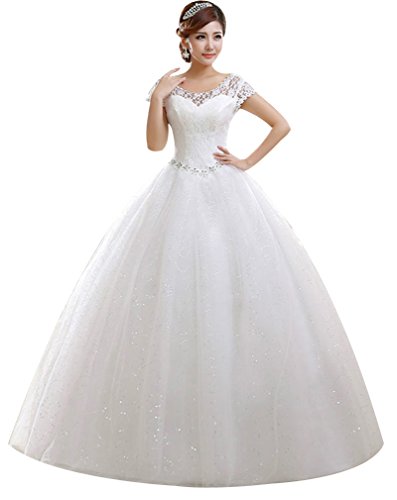
Eyekepper Double Shoulder Floor Length Bridal Gown Wedding Dress Custom Size (06,White)
US6 SIZE:BUST:88cm(34.5");WAIST:70cm(27.5");HIP:96cm(37.5");LENGTH:140cm(55")
As an affiliate, we earn on qualifying purchases.
As an affiliate, we earn on qualifying purchases.
Conclusion
As you step back and admire these hand-made garments, you realize they’re like living poetry, each stitch a whispered secret and every fabric a story woven with passion. The artistry behind couture isn’t just craftsmanship—it’s a symphony of dedication and skill, a delicate dance of creativity and precision. When you wear these pieces, you carry a piece of that magic, feeling the heartbeat of a thousand hours poured into something truly extraordinary.

RSN Stitch Bank: 200 Essential Embroidery Stitches (Royal School of Needlework Guides)
As an affiliate, we earn on qualifying purchases.
As an affiliate, we earn on qualifying purchases.

Tailoring: The Classic Guide To Sewing The Perfect Jacket
Used Book in Good Condition
As an affiliate, we earn on qualifying purchases.
As an affiliate, we earn on qualifying purchases.