TL;DR

Get beauty and skincare favorites delivered free with Prime
- Fast, free delivery on millions of items
- Prime Video, Amazon Music and more included
- Member-only deals all year
Dermaself and OVS tested selfie-based AI skin analysis in a five-day, multi-brand beauty activation during Milan Beauty Week 2026. The organiser reported more than 2,600 completed analyses and a 75% completion rate; the figures indicate participation, not proof that recommendations improved sales or skincare outcomes.
Dermaself and OVS tested selfie-based AI skin analysis in a five-day, multi-brand beauty activation during Milan Beauty Week 2026, linking assessments of visible skin characteristics to product recommendations from OVS’s catalogue. The event recorded more than 2,600 completed analyses, according to the report, offering a measure of consumer participation as retailers explore ways to guide shoppers through increasingly specialised skincare ranges.
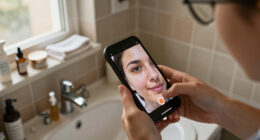
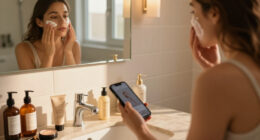
The activation, called the Shaka Beauty Hotel × OVS experience, took place at Garden Senato in Milan and featured 37 beauty brands. Visitors could take a selfie for an AI assessment covering visible parameters such as blemishes, dark spots, wrinkles, pores, redness, hydration and skin laxity. The system then connected those results with personalised product recommendations featuring items available through OVS.
The report says the experience produced more than 2,600 completed analyses, a 75% completion rate and an average of one completed analysis every 55 seconds. Visitors could receive their recommended routine by email, along with a 20% discount on recommended products, redeemable at selected OVS stores in Milan. The source does not specify the total number of people who began an analysis or provide sales results.
Dermaself describes its method as ingredient-first product matching: it connects analysis results with ingredient information from product INCI lists to find relevant formulations in a retailer’s assortment. The report presents this as a way to make recommendations across brands rather than directing customers to one predetermined brand. The activation is a retail test of that model, not independent evidence that the recommendations are clinically validated or improve skin health.
Turning Skin Data Into Store Guidance
For shoppers, the potential value is a more guided route through a large, specialised skincare assortment. Instead of starting with brand names or broad product categories, a customer could start with visible skin characteristics and receive a shorter list of products to explore. That may make discovery easier, particularly in a multi-brand store where formulations and product claims vary.
For retailers, the experiment points to a possible connection between digital assessment and physical shopping. A recommendation delivered by email and paired with a store discount can link an online interaction to a visit or purchase. However, the reported completion figures measure use of the tool, not whether customers bought the recommended products, found them suitable or returned to shop again.
The approach also makes the basis of recommendations consequential. A selfie assessment concerns visible features, while matching those features to products depends on the quality of ingredient data and the rules used by the platform. Retailers considering similar systems will need to weigh usefulness and convenience against questions about accuracy, privacy and how recommendations are explained.
As an affiliate, we earn on qualifying purchases.
From Event Trial To Retail Channels
The source report frames the trial against a retail problem: skincare ranges are expanding and becoming more specialised, but more choice does not automatically make it easier to select a product. Dermaself’s proposed response combines computer-vision analysis of a selfie with product-catalogue information, using the retailer’s available assortment as the destination for recommendations.
The same approach could, according to the report, be offered through e-commerce, QR codes, tablets or smart mirrors in stores. Results could also be used to support consultations with beauty advisers. These are described as possible retail integrations; the source confirms the Milan event activation but does not establish that all of these channels are operating at OVS.
The event therefore provides a live retail example of the concept, rather than evidence of a wider rollout. Its reported participation figures show that visitors used the analysis during the activation. They do not establish how the platform performs across other stores, customer groups or longer periods.
personalized skincare product recommendations
As an affiliate, we earn on qualifying purchases.
As an affiliate, we earn on qualifying purchases.
Accuracy, Privacy And Sales Evidence
The report does not provide an independent evaluation of the AI’s assessment accuracy, explain how lighting, camera quality or other conditions affect results, or detail the criteria used to match skin characteristics with ingredients. It also does not say whether the recommendations were reviewed by dermatology or other clinical specialists. The analysis described is of visible skin parameters and should not be treated as a medical diagnosis.
Further questions concern selfie and skin-data handling: the source does not explain how images or analysis results are stored, how long they are retained, whether they are shared with partners, or what consent and deletion options are offered. Nor does it report purchases linked to the recommendations, discount redemption, customer satisfaction or any longer-term commercial results. Those details are needed to judge whether the tool changes shopping outcomes, beyond attracting participation at an event.
ingredient-based skincare matching
As an affiliate, we earn on qualifying purchases.
As an affiliate, we earn on qualifying purchases.
Evidence Needed For Wider Rollout
The report identifies e-commerce and in-store formats as potential next settings, but does not announce a rollout schedule or confirm further OVS deployments. A next step for retailers assessing the concept would be to compare event engagement with outcomes such as recommendation relevance, completed purchases, discount use and repeat visits, while publishing clear information about data practices.
Any broader assessment will also depend on how the platform performs across different devices and users, and whether shoppers understand the limits of a selfie-based assessment. Until more information is available, the Milan activation is best read as a reported retail trial with participation metrics, rather than proof of accuracy, sales impact or sustained customer benefit.
As an affiliate, we earn on qualifying purchases.
Key Questions
What happened at the Milan Beauty Week activation?
Dermaself and OVS offered visitors a selfie-based AI analysis connected to product recommendations from OVS’s catalogue at a five-day event at Garden Senato. The activation featured 37 beauty brands, according to the report.
How many people completed an analysis?
The report says there were more than 2,600 completed analyses, with a 75% completion rate and an average of one completed analysis every 55 seconds. It does not state the total number who started an analysis or provide a sales comparison.
How does Dermaself match analysis results with products?
Dermaself says it combines visible skin-characteristic results with product INCI ingredient information to identify relevant formulations in a retailer’s catalogue. The source does not provide an independent assessment of the matching method’s accuracy.
Does selfie-based AI analysis diagnose skin conditions?
The report describes analysis of visible skin parameters, including pores, redness and dark spots. It does not establish the tool as a diagnostic service, and its results should not be treated as a medical diagnosis.
Is OVS rolling out the system across its stores?
The source confirms the Milan activation and says similar tools could be used online or in stores, but it does not announce a wider OVS rollout or give a schedule for further deployments.
Source: rss
Fall Picks
fall essentials
As an affiliate, we earn on qualifying purchases.