TL;DR
A individual tracked their sleep for 40 days while using specific fragrances before bed. The results indicated some improvement in sleep quality, but scientific confirmation is limited. The study highlights possible benefits but remains inconclusive.
A person conducted a personal experiment over 40 days to evaluate whether using scented fragrances before bed can improve sleep quality. The individual reported noticing some improvements, sparking interest in the potential benefits of aromatherapy for sleep enhancement. While anecdotal, this self-study contributes to ongoing discussions about non-pharmaceutical sleep aids.
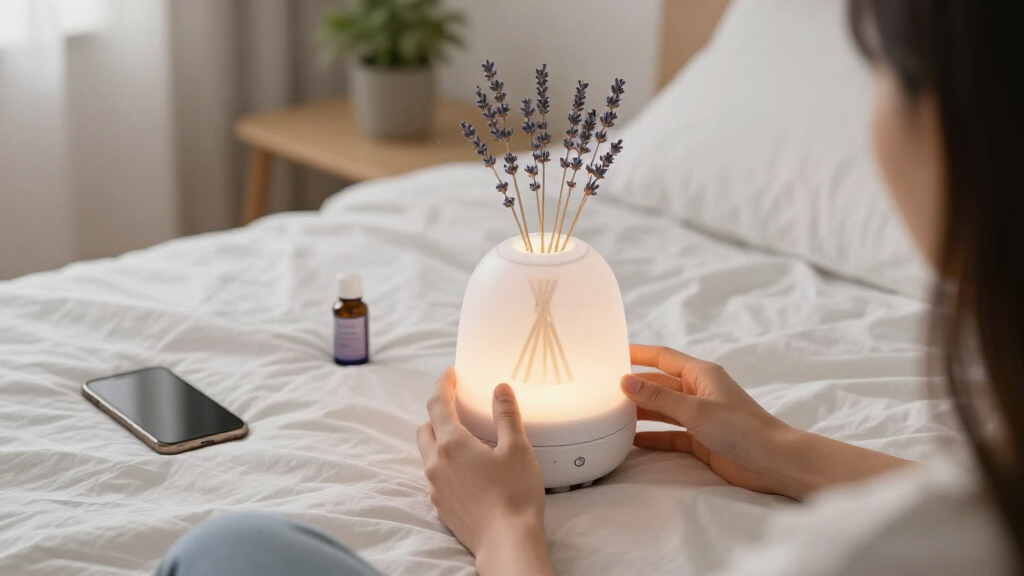
The individual used a combination of lavender, chamomile, and other calming scents each night before sleep. They tracked various sleep metrics, including duration, sleep onset time, and perceived restfulness, using a sleep tracking device. Over the 40 days, the person observed a modest increase in sleep quality and a reduction in time to fall asleep. However, these results are based on personal perception and device data, which are not definitive scientific evidence.Experts caution that while aromatherapy has been associated with relaxation and improved sleep in some studies, individual results vary, and more rigorous research is needed. The person’s experiment did not include a control group or blind testing, so placebo effects cannot be ruled out. Nonetheless, the experiment suggests that some individuals might find incorporating fragrances into their bedtime routine beneficial.Health professionals emphasize that fragrances should be used safely, especially for those with allergies or respiratory issues, and that scent-based sleep aids are supportive rather than curative.Potential Impact of Fragrance Use on Sleep Quality
This personal experiment underscores a growing interest in alternative, non-invasive methods to improve sleep. If fragrances like lavender or chamomile can help some individuals relax and fall asleep faster, they could serve as accessible, low-cost options for those struggling with sleep issues. However, the lack of controlled scientific studies means that these findings are preliminary. The experiment also highlights the importance of individual responses and the need for further research to establish efficacy and safety.For consumers, understanding that aromatherapy might offer supportive benefits could influence sleep routines. For healthcare providers, it emphasizes the importance of personalized advice and cautious use of scent products, especially for sensitive individuals.As an affiliate, we earn on qualifying purchases.
Existing Evidence and Common Uses of Aromatherapy for Sleep
Aromatherapy has been used for centuries in various cultures to promote relaxation and sleep. Scientific studies on its effectiveness have produced mixed results, with some research indicating that scents like lavender can reduce anxiety and improve sleep quality, while others find minimal or no effects. Most studies are small-scale or rely on subjective measures, making definitive conclusions difficult.Recent interest has increased due to the popularity of natural and holistic health approaches. Commercially available sleep sprays and diffusers often feature lavender, chamomile, and other calming scents, reflecting consumer belief in their potential benefits. However, rigorous scientific validation remains limited, and individual responses vary widely.In this context, personal experiments like the one described are common, but they cannot replace controlled scientific research necessary to establish efficacy.“I noticed I was falling asleep faster and felt more rested in the mornings after using lavender scents for several nights.”
— the experimenter
As an affiliate, we earn on qualifying purchases.
Limitations and Unconfirmed Aspects of the Self-Study
It is not yet clear whether the observed improvements are directly attributable to the fragrances or are influenced by placebo effects, individual variability, or other factors. The lack of a control group, blinding, and scientific measurement limits the conclusiveness of the results.As an affiliate, we earn on qualifying purchases.
Need for Controlled Research and Broader Testing
Further scientific studies with larger sample sizes, control groups, and blinded testing are necessary to validate whether fragrances can reliably improve sleep. Researchers may explore different scents, dosages, and application methods to determine optimal use. Meanwhile, individuals interested in aromatherapy should consider personal trials cautiously and consult health professionals if needed.As an affiliate, we earn on qualifying purchases.
Key Questions
Can using fragrances before bed really improve sleep?
Some individuals report better sleep with certain scents like lavender or chamomile, but scientific evidence is limited. Personal experiences vary, and more research is needed to confirm effectiveness.
Are there any risks associated with using scented products for sleep?
Yes, especially for people with allergies, asthma, or respiratory sensitivities. It’s advisable to test scents in small amounts and consult healthcare providers if unsure.
What scents are most commonly linked to sleep improvement?
Lavender is the most studied and commonly associated with relaxation and sleep benefits, followed by chamomile and other calming fragrances.
How should I incorporate fragrances into my sleep routine?
Using diffusers, sprays, or pillow inserts with calming scents can be helpful. Consistency and choosing high-quality, pure products are recommended, but individual responses vary.
Is aromatherapy a substitute for medical treatment for sleep disorders?
No, aromatherapy should be viewed as a supportive method. Persistent sleep issues should be discussed with healthcare professionals.
Source: rss