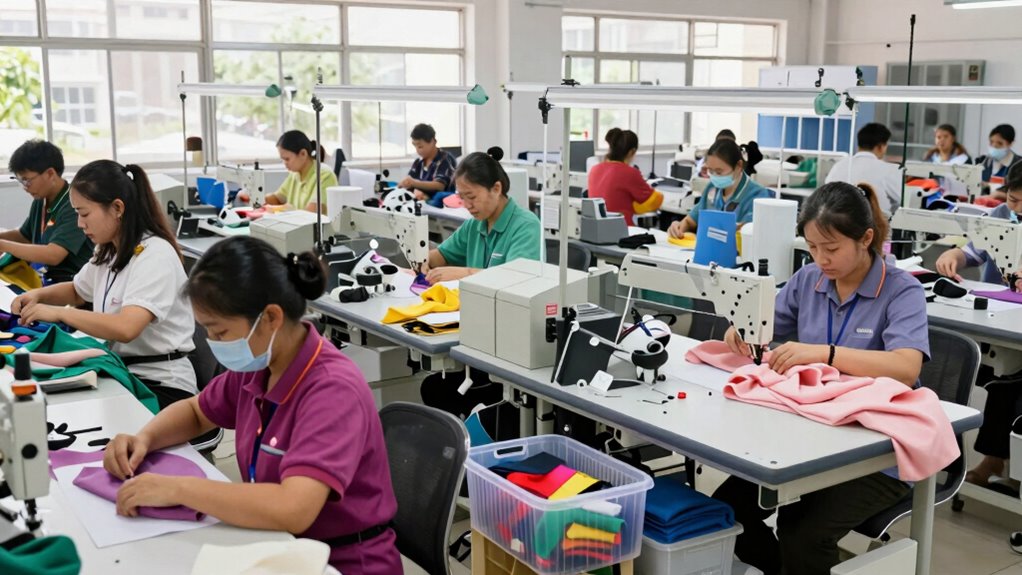

Transparency in fashion supply chains matters because it helps you trust and support brands that prioritize ethical and sustainable practices. When companies share details about their sourcing, labor conditions, and environmental efforts, you can make informed decisions that align with your values. It also encourages brands to improve and be accountable, reducing greenwashing. If you keep exploring, you’ll discover how transparency benefits everyone — from your wardrobe to the planet.
Key Takeaways
- Builds consumer trust and loyalty through openness about product origins and practices.
- Promotes environmental sustainability by encouraging eco-friendly materials and waste reduction.
- Ensures ethical sourcing, fair wages, and safe working conditions across supply chains.
- Reduces greenwashing by providing verifiable evidence of genuine sustainability efforts.
- Drives industry-wide accountability, innovation, and higher standards through transparency.
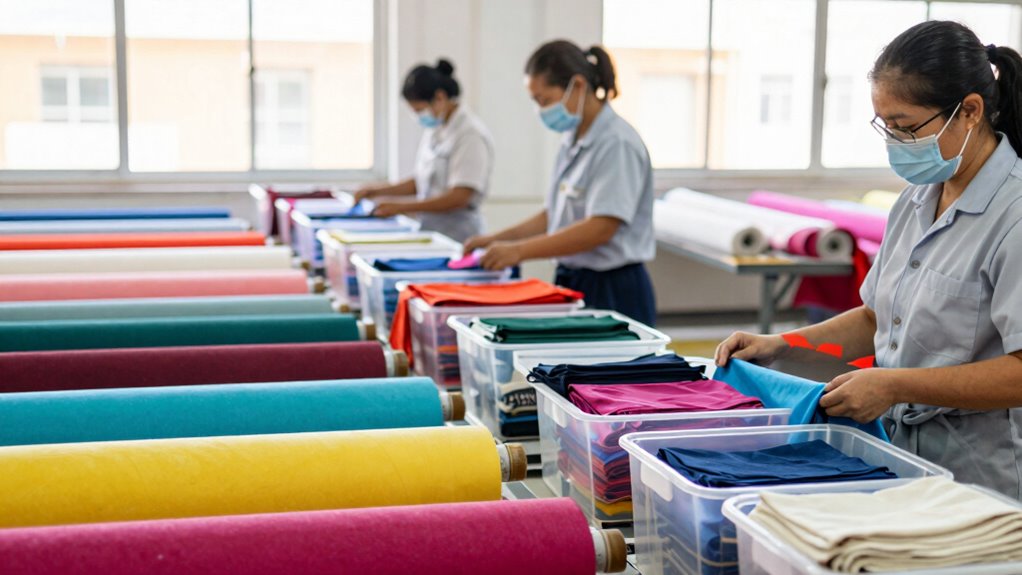
In recent years, transparency in fashion supply chains has become essential for consumers and brands alike. You’re more aware than ever of how your choices affect the world, and brands are realizing that openness about their processes builds trust and loyalty. When companies share details about their supply chains, it signals a commitment to responsible practices, especially regarding sustainable practices and ethical sourcing. You want to support brands that prioritize the environment and treat workers fairly, and transparency makes that possible. It allows you to see how products are made, from raw materials to finished goods, so you can make informed decisions aligned with your values.
Transparent supply chains push brands to adopt sustainable practices. Knowing exactly where materials come from encourages companies to reduce waste, lower emissions, and choose eco-friendly alternatives. For you, this means supporting brands that actively minimize their environmental impact, whether through organic fibers, recycled materials, or energy-efficient manufacturing. When brands are open about their sourcing and production methods, they’re held accountable to maintain these standards. You can easily identify companies that genuinely prioritize sustainability rather than just marketing claims. Transparency also reveals whether companies are engaging in ethical sourcing—ensuring that workers are paid fair wages, work in safe conditions, and aren’t exploited. This knowledge empowers you to support brands that uphold human rights and social responsibility.
Supporting transparent brands ensures ethical sourcing, reduces environmental impact, and promotes fair wages and safe working conditions.
Without transparency, it’s easy to fall prey to greenwashing or corporate deception. You might buy a product thinking it’s eco-friendly or ethically made, only to discover later that it’s not. Transparency acts as a safeguard against false claims, providing concrete evidence of a brand’s commitments. It also fosters a culture of accountability within the industry. When brands openly share their supply chain information, they’re more likely to improve practices continuously. This creates a ripple effect, encouraging others to follow suit and elevating standards across the board. Moreover, supply chain transparency encourages companies to adopt innovative and sustainable solutions to meet consumer expectations. Recognizing the importance of industry accountability can motivate brands to uphold higher standards and transparency. Transparency also plays a vital role in combatting greenwashing, helping consumers distinguish between genuine sustainability efforts and superficial marketing tactics.
For you, transparency isn’t just about knowing where your clothes come from; it’s about aligning your spending with your principles. You want to support companies that prioritize sustainable practices and ethical sourcing because it makes a tangible difference in reducing environmental harm and promoting social justice. By demanding openness, you’re helping shape an industry that values honesty, responsibility, and sustainability. Understanding the role of regulatory compliance can further guide your choices, ensuring the brands you support meet official standards. Ultimately, transparency in fashion supply chains benefits everyone—consumers, workers, and the planet—by fostering trust and encouraging better industry standards.

Beathoven 10 Strands Acrylic Chunky Chains Linking Rings, Colorful Bag Chain Plastic Chain Twist Linking Rings 15.7” Crossbody Chains for Handbag Purse Phone Strap Keychain Jewelry Making (Detachable)
Package Includes:10pcs Opaque Acrylic Chains,10 colors,1pcs/color.
As an affiliate, we earn on qualifying purchases.
As an affiliate, we earn on qualifying purchases.
Frequently Asked Questions
How Can Consumers Verify a Brand’s Transparency Claims?
You can verify a brand’s transparency claims by checking their use of sustainable certifications and factory audits. Look for reputable labels like Fair Trade or GOTS, which verify ethical practices. Also, visit the brand’s website for detailed reports or disclosures on their supply chain. Reach out directly to ask about their factory audits—brands committed to transparency usually have these available or openly discuss their efforts.
What Are the Main Barriers to Transparency in Fashion Supply Chains?
You face barriers like limited supplier accountability and challenges in verifying ethical sourcing. Brands may lack transparency due to complex supply chains, making it hard to trace every step. Additionally, some suppliers resist disclosure to protect their interests. These obstacles hinder your ability to guarantee ethical practices, emphasizing the need for stricter regulations and better oversight to promote transparency and hold brands accountable for their supply chain decisions.
How Does Transparency Impact Pricing for Consumers?
Transparency is like shining a spotlight on a hidden treasure map, revealing the true value behind your favorite clothes. When brands openly share their supply chain details, it promotes price fairness and builds consumer trust. You’re more likely to pay a reasonable price when you understand how much goes into production, ensuring you’re not overpaying. This honesty creates a fairer market where your trust is earned through openness, not mystery.
Are There Legal Requirements for Transparency in Fashion Supply Chains?
Yes, there are legal mandates for transparency in fashion supply chains. You need to guarantee regulatory compliance by following laws that require companies to disclose sourcing information, labor practices, and environmental impact. These legal requirements vary by country but aim to promote ethical practices and accountability. Staying informed about these mandates helps you avoid penalties, build consumer trust, and demonstrate your commitment to responsible sourcing and sustainable fashion practices.
How Do Small Brands Implement Transparency Effectively?
You can implement transparency effectively by being open about your sustainable sourcing and ethical labor practices. Share detailed information on your supply chain, including sources of materials and working conditions. Use your website, social media, and labels to communicate your commitment. Collaborate with trusted suppliers who prioritize openness, and regularly audit your supply chain to guarantee ethical standards. This honesty builds trust with consumers and boosts your brand’s credibility.

Roadmap to Sustainable Textiles and Clothing: Eco-friendly Raw Materials, Technologies, and Processing Methods (Textile Science and Clothing Technology)
As an affiliate, we earn on qualifying purchases.
As an affiliate, we earn on qualifying purchases.
Conclusion
By embracing transparency, you open the door to a clearer path through the tangled fabric of fashion supply chains. Imagine a lighthouse guiding ships safely through stormy seas, its light symbolizing honesty and clarity. When you prioritize openness, you illuminate hidden practices, fostering trust and accountability. As you navigate this complex industry, remember that transparency isn’t just a choice—it’s the beacon that guarantees your fashion journey stays true, ethical, and sustainable.

WP West Path Men's 100% Organic Cotton T-Shirt – Fair Trade Certified – Mens Cotton Tees – Solid Color T Shirt (4 Pack, Large, 2Black/2White)
Soft & Breathable 100% Organic Cotton T Shirt
As an affiliate, we earn on qualifying purchases.
As an affiliate, we earn on qualifying purchases.

TIJN Blue Light Blocking Glasses for Women Men Vintage Thick Round Rim Frame Eyeglasses (Transparent Grey)
Production Dimension; Lens Width 48MM(1.88 IN), Bridge Width 22MM(0.86 IN), Arm Length 145MM(5.23 IN); There are many model…
As an affiliate, we earn on qualifying purchases.
As an affiliate, we earn on qualifying purchases.