
Circular fashion is more than just a trendy term; it’s reshaping the industry into a sustainable, innovative system. As a consumer, your choices—buying quality pieces, supporting eco-friendly brands, and repairing garments—drive this change. Brands are adopting new practices like renting, upcycling, and using transparent digital tools to improve resource management. If you want to understand how this movement is changing fashion for good, keep exploring the ideas behind this powerful shift.

Get beauty and skincare favorites delivered free with Prime
- Fast, free delivery on millions of items
- Prime Video, Amazon Music and more included
- Member-only deals all year
Key Takeaways
- Circular fashion focuses on transforming the entire garment lifecycle, addressing environmental issues beyond mere recycling.
- Consumer demand for sustainable, high-quality products drives industry adoption of circular practices.
- Technological advancements like blockchain enable transparency, accountability, and efficient resource management in the industry.
- Brands integrating circular models such as upcycling, renting, and disassembly are leading systemic change.
- The movement prioritizes long-term environmental goals, shifting from fast fashion to durable, innovative designs.
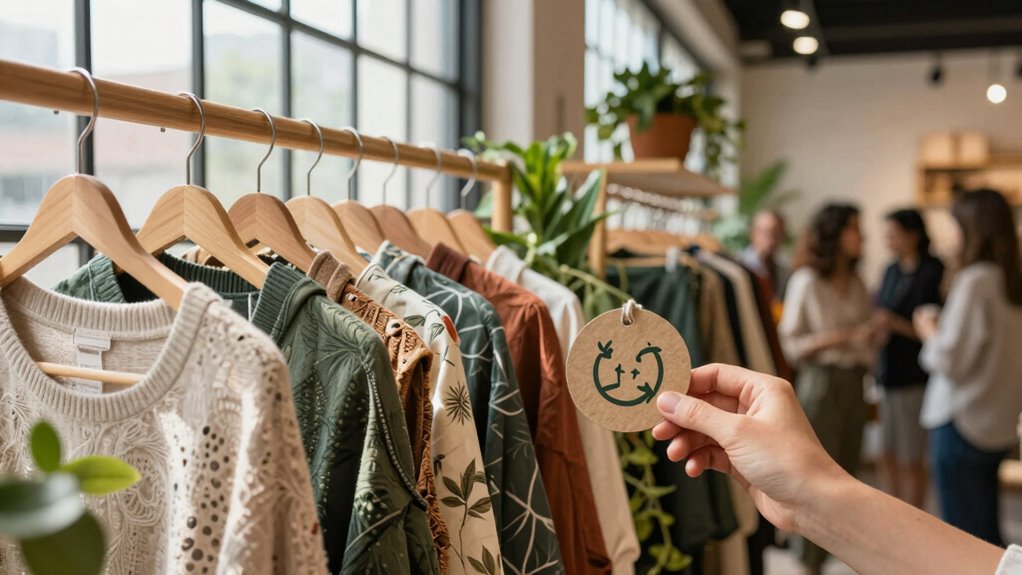
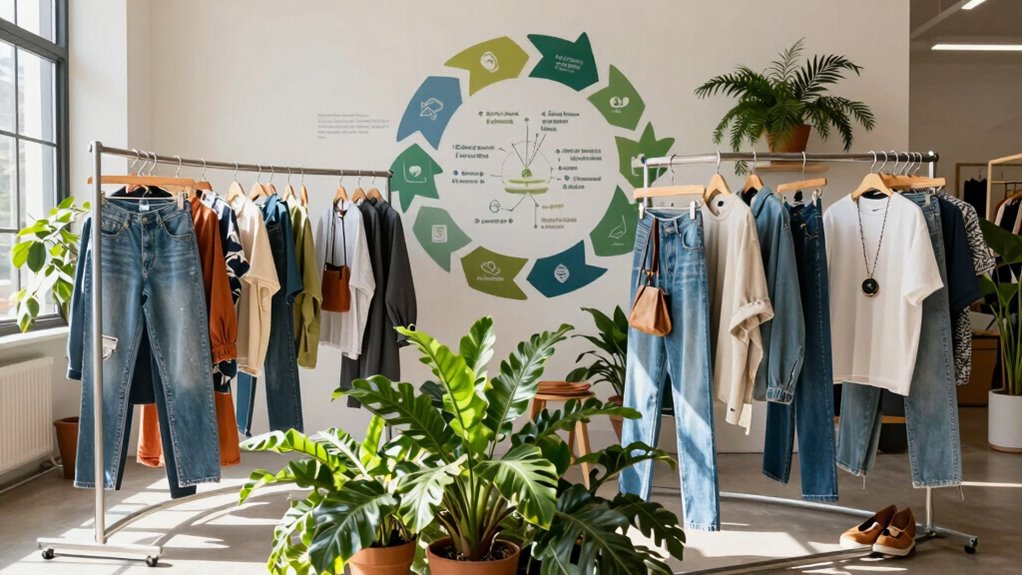
In recent years, circular fashion has shifted from a trendy concept to an essential approach for sustainable clothing. It’s no longer just about recycling old garments; it’s about rethinking the entire lifecycle of your clothes. As someone interested in fashion, you might notice brands increasingly adopting sustainable innovation—developing new materials, designing for durability, and creating systems that keep clothes in use longer. These innovations aim to reduce waste and lessen environmental impact, making circular fashion more than just a buzzword—it’s a movement rooted in real change. Your consumer behavior plays a key role here. When you choose to buy fewer, higher-quality pieces, or opt for brands that prioritize sustainability, you’re actively supporting this shift. It’s about making smarter decisions that align with long-term environmental goals, encouraging companies to innovate further.
Circular fashion transforms clothing by prioritizing quality, durability, and sustainable innovation for lasting environmental impact.
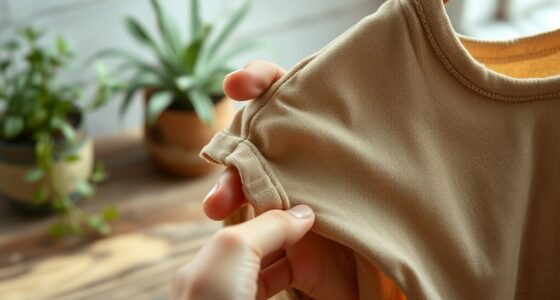
As you become more conscious about your clothing choices, you influence the broader industry. Your demand for sustainable options pushes brands to rethink their manufacturing processes and embrace circular models—like renting, upcycling, or designing for disassembly. Circular fashion isn’t just a trend; it’s a response to the finite nature of resources and the mounting waste problem. When you participate by repairing garments instead of discarding them or by shopping from brands committed to closed-loop systems, you help foster a culture of sustainability. This collective consumer behavior accelerates the adoption of innovative solutions that make fashion more eco-friendly and financially viable in the long run. Furthermore, the integration of digital concepts into supply chains is revolutionizing how brands track and manage resources, making circular practices more feasible and transparent.
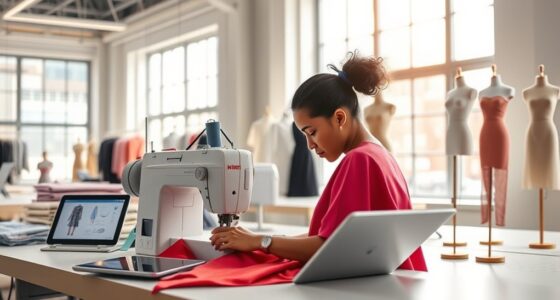
By leveraging technologies such as blockchain and data analytics, brands can better ensure transparency and accountability in their sustainability efforts, further encouraging consumer trust and engagement.
Moreover, your awareness of sustainable innovation can inspire you to explore brands that embed transparency and ethical practices into their core. These companies often lead the way in implementing circular principles, showing that sustainability can be integrated seamlessly into fashion. By supporting such brands, you contribute to a shift in industry standards, encouraging others to follow suit. This isn’t just about individual choices; it’s about creating a ripple effect that promotes systemic change. Your role as a consumer becomes pivotal in demanding products that are designed with longevity, recyclability, and resource efficiency in mind.
Ultimately, circular fashion’s significance goes beyond its catchy name. It represents a fundamental shift in how you view clothing—favoring quality over quantity, durability over disposability, and innovation over tradition. Your behavior as a consumer directly impacts the pace and scale of this transformation. When you embrace sustainable innovation and make mindful choices, you’re not only redefining your wardrobe but also helping shape a future where fashion is regenerative rather than destructive.
As an affiliate, we earn on qualifying purchases.
Frequently Asked Questions
How Does Circular Fashion Impact Global Supply Chains?
Circular fashion impacts your global supply chains by enhancing resilience and promoting ethical sourcing. You’ll find supply chains become more adaptable as materials are reused and recycled, reducing reliance on raw resources. This shift encourages responsible practices, minimizes waste, and supports sustainability goals. As a result, your supply chains become more robust, ethically sound, and better equipped to face disruptions, aligning with the growing demand for environmentally and socially responsible fashion.
What Are the Main Challenges Brands Face Adopting Circular Practices?
Brands battling barriers face big challenges adopting circular practices. You might struggle with sourcing sustainable materials ethically, ensuring recyclability, and establishing eco-friendly end-of-life solutions. Balancing budget, brand reputation, and innovation can feel overwhelming. You need to navigate complex supply chains, gain consumer trust, and invest in new technologies. Overcoming these hurdles demands dedication, daring, and a drive to deliver durable, desirable designs rooted in responsible sourcing and circular principles.
How Can Consumers Effectively Participate in Circular Fashion?
You can effectively participate in circular fashion by embracing sustainable shopping and prioritizing clothing reuse. Opt for brands that focus on eco-friendly materials and ethical practices. Repair or upcycle your garments instead of discarding them, and consider buying secondhand or swapping clothes with friends. These actions reduce waste, lower your environmental impact, and support a more sustainable fashion industry, making a positive difference in the circular economy.
What Are the Environmental Benefits of Circular Over Linear Fashion?
You benefit from circular fashion because it promotes textile recycling, reducing waste and conserving resources. Unlike linear fashion, which depletes natural resources and generates pollution, circular systems focus on reusing and repurposing materials, leading to less environmental harm. By choosing circular options, you help lower carbon footprints and support sustainable resource management, making fashion more eco-friendly and ensuring healthier ecosystems for future generations.
How Is Circular Fashion Influencing Future Industry Regulations?
Circular fashion is revolutionizing future industry regulations at a speed that’s mind-blowing. You’ll see policies increasingly focus on promoting innovative recycling and the use of sustainable materials. Governments and brands are adopting stricter standards to reduce waste and environmental impact, making circular principles mandatory rather than optional. This shift encourages brands to innovate, ensuring sustainability becomes a core part of industry regulations, shaping a greener, more responsible fashion future for everyone.
As an affiliate, we earn on qualifying purchases.
Conclusion
By embracing circular fashion, you’re part of a movement that reduces waste and conserves resources. Did you know that the fashion industry is responsible for 10% of global carbon emissions? Shifting to circular practices not only benefits the planet but also offers economic opportunities. So, next time you shop, consider how you can support brands committed to sustainability. Together, we can make fashion more responsible and less of a fleeting trend.
As an affiliate, we earn on qualifying purchases.
As an affiliate, we earn on qualifying purchases.
Fall Picks
fall essentials
As an affiliate, we earn on qualifying purchases.