
Sustainable fashion still struggles with accessibility because eco-friendly materials and ethical manufacturing practices cost more, making products pricier for you. Small-scale suppliers lack economies of scale, raising prices further, while limited supply drives up costs due to high demand. Fast fashion remains cheaper and more widely available, discouraging many from choosing sustainable options. However, ongoing efforts to lower production costs and increase innovation could change this—if you stay with us, you’ll discover how these challenges are being addressed.

Get beauty and skincare favorites delivered free with Prime
- Fast, free delivery on millions of items
- Prime Video, Amazon Music and more included
- Member-only deals all year
Key Takeaways
- Higher costs of eco-friendly materials and ethical production make sustainable fashion more expensive than fast fashion options.
- Limited supply and small-scale production restrict availability, driving up prices and reducing accessibility.
- Ethical manufacturing practices increase costs due to fair wages and safe working conditions.
- Cost-reducing innovations and supply chain efficiencies are still developing, limiting affordability.
- Consumer preference for cheaper fast fashion challenges widespread adoption of sustainable options.
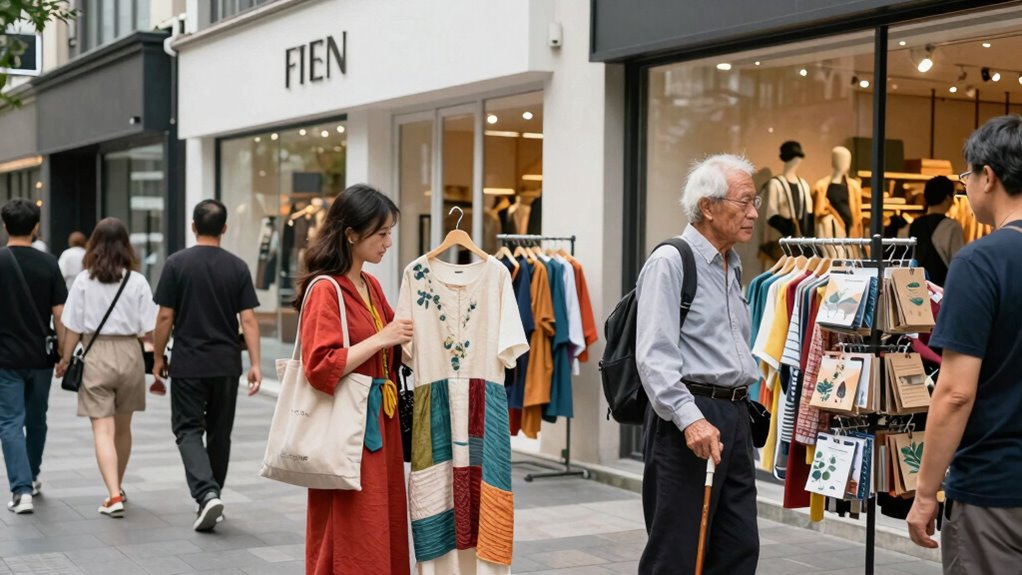
Have you ever wondered why sustainable fashion often feels out of reach for many? It’s a question that many people ask when they see the high price tags and limited options. The truth is, creating sustainable clothing involves more than just choosing eco friendly materials. It requires ethical manufacturing processes that prioritize fair wages, safe working conditions, and environmentally responsible production. These steps inherently increase costs, which are often passed down to consumers. As a result, sustainable fashion tends to be more expensive than conventional options, making it less accessible for a broad audience.
One of the biggest hurdles is the use of eco friendly materials. While they’re better for the planet, they often come with higher price tags because they’re sourced from sustainable farms or produced with eco-conscious techniques. Organic cotton, recycled fabrics, and plant-based dyes cost more to produce than their conventional counterparts. Small-scale suppliers who focus on ethical practices often lack the economies of scale that drive down prices for mass-market brands, so consumers end up paying more. This price disparity discourages many from making sustainable choices, especially when fast fashion offers trendy items at a fraction of the cost. Incorporating sustainable fabric technology can help improve affordability, but widespread adoption is still developing.
Ethical manufacturing is another critical factor that complicates accessibility. Companies committed to fair wages and safe working conditions often have higher production costs. These costs are reflected in the retail price, making sustainable garments less affordable. Additionally, ethical brands tend to produce smaller quantities, which limits their availability and drives up prices due to limited supply. The complexity of ensuring fair labor practices across different countries also adds to the expense, creating barriers for consumers who want to support ethical brands but can’t afford the premium. Moreover, the higher costs of sustainable materials further contribute to the overall price increase, making affordability a significant challenge.
Despite these challenges, there are efforts to make sustainable fashion more accessible. Some brands are working to reduce costs by streamlining supply chains or investing in innovative, affordable eco friendly materials. Others are focusing on transparency, so consumers can see exactly where their money is going and how their clothing is made. However, until these solutions become widespread and prices decrease, sustainable fashion will remain a niche option for many. If you want to support more sustainable practices, understanding these barriers can help you make more informed choices and advocate for more affordable, accessible options in the future.
organic cotton sustainable clothing
As an affiliate, we earn on qualifying purchases.
As an affiliate, we earn on qualifying purchases.
Frequently Asked Questions
How Do Pricing Strategies Affect Sustainable Fashion Accessibility?
Pricing models directly impact sustainable fashion’s accessibility by influencing affordability. When brands set high prices to cover eco-friendly materials and ethical labor, affordability barriers rise, limiting who can buy these items. You might find that more inclusive pricing strategies, like tiered pricing or subscription models, could lower these barriers. This way, sustainable fashion becomes more accessible, allowing a broader audience to participate in eco-conscious shopping without sacrificing quality or ethics.
What Role Do Local Communities Play in Improving Access?
Think of local communities as the roots of a tree; their involvement stabilizes and nourishes sustainable fashion. Your community can launch local initiatives like workshops, pop-up shops, and educational programs, making eco-friendly fashion more accessible. When community members participate, they create a supportive network that encourages wider adoption. Your engagement transforms sustainable fashion from a distant ideal into a tangible choice, ensuring everyone has the chance to wear responsibly.
Are There Specific Demographics That Benefit Most From Sustainable Fashion?
You’ll notice that demographic disparities often influence who benefits most from sustainable fashion, with wealthier and urban populations gaining easier access. Cultural influences also shape preferences and awareness, making some demographics more receptive to sustainable choices. While these groups tend to benefit more, efforts are underway to bridge gaps, ensuring that sustainable fashion becomes more inclusive across different ages, incomes, and cultural backgrounds.
How Can Technology Bridge the Accessibility Gap in Sustainable Fashion?
You can bridge the accessibility gap in sustainable fashion through technology by leveraging innovative fabrics and virtual fitting tools. Remarkably, virtual fitting rooms boost online sales by up to 30%, making eco-friendly options more accessible. These tools allow you to try sustainable clothing virtually, reducing barriers like size and location. By embracing such advancements, you make sustainable fashion easier for everyone, regardless of where they are or their budget.
What Policies Can Governments Implement to Promote Sustainable Fashion Access?
Governments can promote sustainable fashion access by implementing policy incentives like tax breaks or subsidies for eco-friendly brands, making sustainable options more affordable. They should also address cultural barriers by launching awareness campaigns that highlight the importance of sustainability and inclusivity. By fostering partnerships with local artisans and retailers, you can create a supportive environment that encourages widespread adoption of sustainable fashion, ensuring it becomes accessible to all.
recycled fabric eco-friendly apparel
As an affiliate, we earn on qualifying purchases.
As an affiliate, we earn on qualifying purchases.
Conclusion
Think of sustainable fashion as a garden that’s just starting to bloom. Right now, it’s surrounded by walls that keep many out, like the high prices and limited options. But imagine if those walls came down, making the garden accessible to everyone, just like a community shared space. When more people can join in, the beauty of sustainable fashion can truly flourish, transforming the industry into a vibrant, inclusive landscape that benefits us all.
ethical manufacturing fair trade clothing
As an affiliate, we earn on qualifying purchases.
As an affiliate, we earn on qualifying purchases.
affordable sustainable fashion brands
As an affiliate, we earn on qualifying purchases.
As an affiliate, we earn on qualifying purchases.
Fall Picks
fall essentials
As an affiliate, we earn on qualifying purchases.