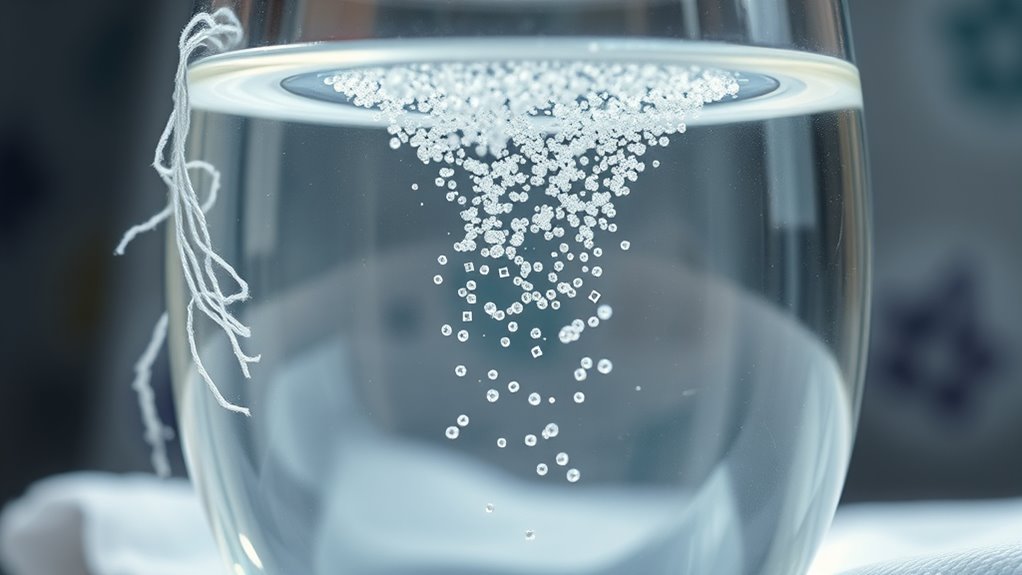

When you wash clothes, tiny plastic fibers called microplastics are released from synthetic fabrics and escape into water systems. These fibers pollute oceans, lakes, and waterways, threatening marine life and water quality. Using eco-friendly fabrics, laundry filters, and washing less often can help reduce this pollution. If you want to learn how your choices impact the environment and ways to make a difference, there’s more to discover below.

Get beauty and skincare favorites delivered free with Prime
- Fast, free delivery on millions of items
- Prime Video, Amazon Music and more included
- Member-only deals all year
Key Takeaways
- Microplastics shed from synthetic clothing during washing, contaminating water bodies and harming aquatic ecosystems.
- Natural fibers like cotton and linen do not produce microplastics, reducing pollution when used in textiles.
- Washing clothes releases tiny fibers that can bypass filters, entering waterways and accumulating in marine life.
- Using microfiber-catching laundry bags and filters can significantly decrease microplastic release from clothing.
- Supporting sustainable textiles and recycling efforts helps lower the overall microplastic pollution from fashion.

Every time you wash your clothes, tiny plastic fibers called microplastics are released into the environment. These microscopic particles escape from fabrics during laundry and eventually find their way into oceans, lakes, and waterways. The problem is widespread and ongoing, contributing considerably to global plastic pollution. Fortunately, there are steps you can take to reduce microplastic shedding, starting with understanding the role of textile recycling and eco friendly fabrics.
Textile recycling involves repurposing old clothing and fabric waste into new materials, which helps cut down on the demand for virgin plastics. When garments are recycled properly, they reduce the need for new synthetic fibers, meaning fewer microplastics are released during washing. Recycling can also involve transforming worn-out textiles into insulation, cleaning rags, or other useful products, extending the life of fabrics and decreasing waste. By supporting textile recycling programs and choosing recycled fabrics, you actively participate in lowering the environmental impact of your wardrobe and help mitigate the microplastic problem.
Recycling textiles reduces demand for virgin plastics, cuts microplastic release, and extends fabric life.
Switching to eco friendly fabrics is another effective way to combat microplastic pollution. Many eco conscious brands now produce clothing made from natural fibers like organic cotton, hemp, or linen, which don’t shed microplastics when washed. Additionally, there are innovative materials, such as those made from recycled plastics that are processed into sustainable fabrics designed to shed fewer fibers. These eco friendly fabrics are not only better for the environment but often more durable and comfortable, making them a smart choice for consumers who want to make a positive impact. When you opt for clothing made from these textiles, you help reduce the amount of microplastics entering ecosystems with each wash.
Furthermore, you can take practical steps to minimize microplastic release regardless of the fabric type. Using laundry filters or bags specifically designed to catch microfibers during washing can considerably decrease the number of particles that reach water systems. Washing clothes less frequently, in cold water, and choosing gentler cycles also help reduce fiber shedding. Supporting brands that prioritize sustainable practices and develop clothing with eco friendly fabrics is a proactive way to contribute to the solution.
In addition, understanding the importance of size limitations for tiny houses can inspire broader sustainable living choices, including reducing overall consumption and waste.
In essence, understanding the connection between textile recycling, eco friendly fabrics, and microplastic pollution empowers you to make more responsible choices. Your decisions—whether it’s selecting sustainable clothing, recycling textiles, or using microfiber-catching laundry tools—can help curb the flow of microplastics into our environment. Every small action contributes to a larger effort to protect water quality, marine life, and ultimately, our planet’s health.
As an affiliate, we earn on qualifying purchases.
Frequently Asked Questions
How Do Microplastics From Clothing Affect Human Health?
You might be exposed to microplastics from clothing through inhalation risks and chemical exposure. When you wear synthetic fabrics, tiny fibers can become airborne and be inhaled, potentially causing respiratory issues. Additionally, chemicals used in manufacturing these fabrics can leach out, leading to possible skin irritation or other health problems. Staying aware of these risks helps you make informed choices about clothing and consider options like natural fibers to reduce exposure.
Can Washing Machine Filters Completely Eliminate Microplastic Release?
Washing machine filters can’t completely eliminate microplastic release, but their filter efficiency considerably reduces microplastics in wastewater. To maximize their effectiveness, you should follow proper maintenance practices, like regularly cleaning and replacing filters. This helps prevent clogging and guarantees ideal performance. While filters make a difference, combining them with other measures, like using eco-friendly laundry products, offers a better chance to minimize microplastic pollution.
Are Natural Fabrics Also a Source of Microplastics?
Natural fabrics generally don’t shed microplastics like synthetic fibers do, but they can still contribute to pollution. When washed, natural fibers release biodegradability concerns, breaking down into smaller particles that can impact ecosystems. While less problematic than synthetics, frequent washing of natural fabrics can still release tiny particles. To minimize environmental impact, consider choosing natural fabrics and using washing techniques that reduce fiber release.
What Policies Are in Place to Regulate Clothing Microplastics?
You should know that textile regulations and recycling policies are increasingly in place to address clothing microplastics. Governments are implementing standards to limit fiber shedding, promote sustainable manufacturing, and enhance recycling efforts. These policies encourage brands to develop eco-friendly textiles and improve waste management. By supporting these initiatives, you help reduce microplastic pollution, ensuring better environmental protection and fostering a more sustainable fashion industry.
How Can Consumers Reduce Their Clothing-Related Microplastic Pollution?
Think of yourself as a guardian of the oceans. To reduce clothing-related microplastic pollution, you can care for your clothes properly by washing them less frequently, using a microfiber filter in your laundry, and choosing sustainable fashion brands. These simple acts help prevent microfibers from escaping into waterways. By making mindful clothing choices, you’re helping protect the environment and supporting a more sustainable future.
As an affiliate, we earn on qualifying purchases.
Conclusion
Every time you wash your clothes, tiny microplastics are released into our water systems. Did you know that an estimated 700,000 microplastic fibers can be released from a single load of laundry? This pollution adds up quickly and harms marine life and ecosystems. By being aware and choosing eco-friendly fabrics or using filters, you can help reduce this hidden pollution. Small changes make a big difference in protecting our planet’s future.
microplastics catching laundry bag
As an affiliate, we earn on qualifying purchases.
As an affiliate, we earn on qualifying purchases.
As an affiliate, we earn on qualifying purchases.
Evergreen bestsellers Picks
bestsellers
As an affiliate, we earn on qualifying purchases.