The fashion industry has a huge impact on water resources through its cultivation, dyeing, and manufacturing processes. Many brands are tackling this crisis by adopting sustainable fabrics like organic cotton and hemp, which use less water. They also recycle water during production, reducing pollution and conserving resources. Consumer support for eco-friendly brands encourages wider industry change. To see how these efforts help fight water scarcity and what more can be done, keep exploring this important issue.
Key Takeaways
- The fashion industry is reducing water consumption by adopting sustainable fabrics like organic cotton, hemp, and Tencel.
- Water recycling technologies in manufacturing processes help reuse water and minimize pollution.
- Brands are increasing transparency through disclosures and certifications to promote eco-friendly practices.
- Consumer demand for sustainable fashion encourages brands to prioritize water conservation efforts.
- Technological innovations, such as AI monitoring, optimize water use and support responsible manufacturing.
Have you ever wondered how your favorite fashion items impact the world’s water supply? The truth is, the fashion industry is a major water guzzler, consuming vast amounts during production. But there’s hope—many brands and designers are now adopting smarter, more sustainable ways to reduce their water footprint. One of the most promising strategies involves the use of sustainable fabrics, which require less water throughout their lifecycle. Fabrics like organic cotton, hemp, and Tencel are cultivated and processed with considerably lower water demands compared to traditional materials. By choosing garments made from these eco-friendly fabrics, you help lessen the strain on water resources and encourage brands to prioritize sustainable sourcing.
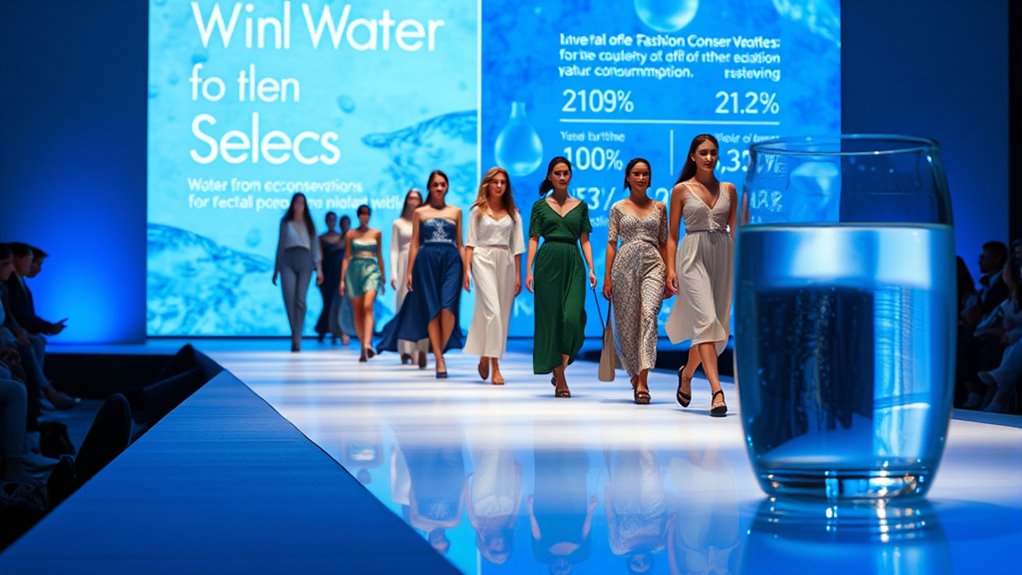
Choosing eco-friendly fabrics like organic cotton and Tencel helps reduce water use in fashion.
Another critical approach is water recycling, an innovative process that reuses water during manufacturing. Instead of drawing fresh water for dyeing and finishing textiles, some factories now treat and recycle water multiple times, drastically reducing overall consumption. This not only conserves water but also minimizes pollution, since contaminated water from dye processes can harm local ecosystems. When brands incorporate water recycling techniques, they set a new standard for responsible manufacturing, showing that style doesn’t have to come at the planet’s expense.
You might not see these efforts on the surface, but your purchasing choices can support them. By opting for brands that emphasize sustainable fabrics and water recycling, you contribute to a shift within the industry. It becomes a powerful statement that consumers care about the environmental impact of their clothing. Supporting these initiatives also incentivizes more companies to invest in eco-friendly technologies and sustainable practices, creating a ripple effect across the fashion world.
Furthermore, many innovative brands are now transparent about their water use and recovery processes, making it easier for you to make informed decisions. Certifications and labels indicating sustainable practices serve as guides, helping you identify clothing that aligns with your values. As awareness grows, more fashion labels will prioritize reducing water consumption, ensuring that future collections are made responsibly.
Additionally, advancements in AI-driven security systems are helping manufacturers monitor water usage more effectively, leading to smarter resource management. Ultimately, your choices matter. By seeking out garments made from sustainable fabrics and supporting brands that implement water recycling, you help combat the fashion industry’s water crisis. Every purchase becomes a statement of support for a more sustainable, water-conscious future. When you understand the importance of these practices, you become part of the solution—helping to preserve essential water resources while still enjoying stylish, quality clothing.

Organic Cotton Short Sleeve Shirt Women Cotton Linen Shirts for Women Trendy Retro Embroidered 3/4 Sleeve Boho Blouse Dressy Casual Bohemian Tops Loose Tunics
Breathable Cotton-Linen Fabric: This women’s blouse is made from lightweight cotton-linen material—ideal for summer, keeping you cool during…
As an affiliate, we earn on qualifying purchases.
As an affiliate, we earn on qualifying purchases.
Frequently Asked Questions
How Does Water Scarcity Impact Global Fashion Production?
Water scarcity impacts your fashion production by increasing the water footprint of textile manufacturing, making it harder and more costly to produce clothing. When water becomes limited, factories face delays and higher expenses, pushing brands to find sustainable solutions. You can help by choosing brands that prioritize water conservation and eco-friendly practices, reducing your own fashion’s environmental impact and supporting efforts to address global water challenges.
What Innovative Water-Saving Technologies Are Emerging in Fashion?
Think of the industry as a thirsty plant, now thriving with innovative water-saving tech. You’ll see textile recycling and dye reduction become game-changers, conserving water like never before. Advanced closed-loop dyeing processes reuse water efficiently, while textile recycling minimizes resource use altogether. These technologies cut down water consumption dramatically, helping fashion stay stylish without draining our planet’s essential resources. You’re part of a movement that’s making fashion more sustainable, one innovative step at a time.
Are Consumers Aware of the Water Footprint of Their Clothing?
You might not realize how much water your clothing uses, but consumer awareness is growing thanks to education initiatives. Brands and organizations are working to inform you about the water footprint of your wardrobe, encouraging more sustainable choices. By staying informed through these efforts, you can make conscious decisions, support eco-friendly brands, and help reduce the fashion industry’s water consumption. Awareness is key to driving meaningful change in fashion sustainability.
How Can Small Brands Contribute to Reducing Water Consumption?
Think of your brand as a tiny seed that can grow into a mighty tree. You can contribute to reducing water consumption by adopting sustainable sourcing and water-efficient practices. By choosing eco-friendly materials and optimized manufacturing processes, you conserve water and inspire others to follow suit. Your commitment to sustainability not only minimizes your water footprint but also positions your brand as a responsible leader in fashion’s future.
What Policies Are Governments Implementing to Regulate Water Use in Fashion?
Governments are implementing water policies that set clear industry regulations, aiming to reduce water usage in fashion. You should stay informed about these policies, as they often include limits on water consumption, mandatory reporting, and incentives for sustainable practices. By complying with these regulations, you help promote responsible water use, support industry-wide change, and contribute to addressing the fashion industry’s water crisis effectively.

Nature Linen Needlework Fabric, Plain Solid Colour Linen Cloth Hemp Jute Fabric Table Cloth Garments Crafts Accessories, 20 by 62-Inch (Color 1)
Product Type: Organic Fabric(When your order quantity is 2, means you will receive 2 separate pack)
As an affiliate, we earn on qualifying purchases.
As an affiliate, we earn on qualifying purchases.
Conclusion
Just as Icarus learned, ignoring limits can lead to a fall. The fashion industry’s water crisis reminds us that unchecked consumption harms both the planet and our future. But by choosing sustainable practices, you’re helping rewrite this story—one where fashion doesn’t come at the Earth’s expense. Together, we can be the phoenix rising, transforming waste into renewal and ensuring a stylish, water-conscious world for generations to come.

Vestil DC-P-30-CANF-BU Low-Density Polyethylene Drum Recycling Lid with Flaps 30 Gallon Blue
Strong construction durability
As an affiliate, we earn on qualifying purchases.
As an affiliate, we earn on qualifying purchases.
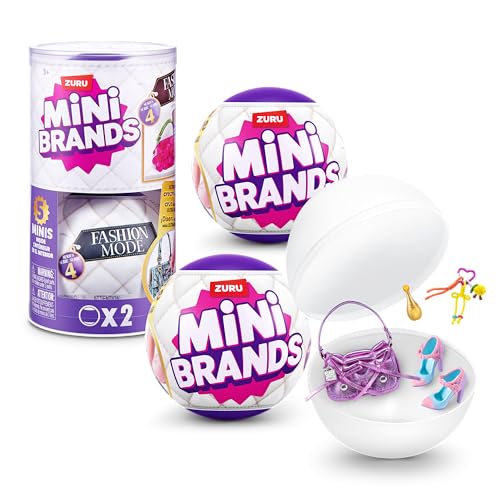
Mini Brands Fashion Series 4 2 Pack by ZURU – Novelty Unboxing Collectible Toy with 5 Mystery Mini Fashion Bags, Shoes & Accessories, 80+ Styles to Collect, Ages 3+, Kids, Teens & Adults
INCLUDES 5 MINI FASHION ITEMS – Each capsule contains handbags, shoes, and accessories; perfect for kids, teens, and…
As an affiliate, we earn on qualifying purchases.
As an affiliate, we earn on qualifying purchases.