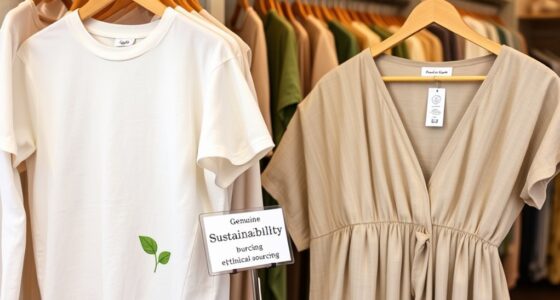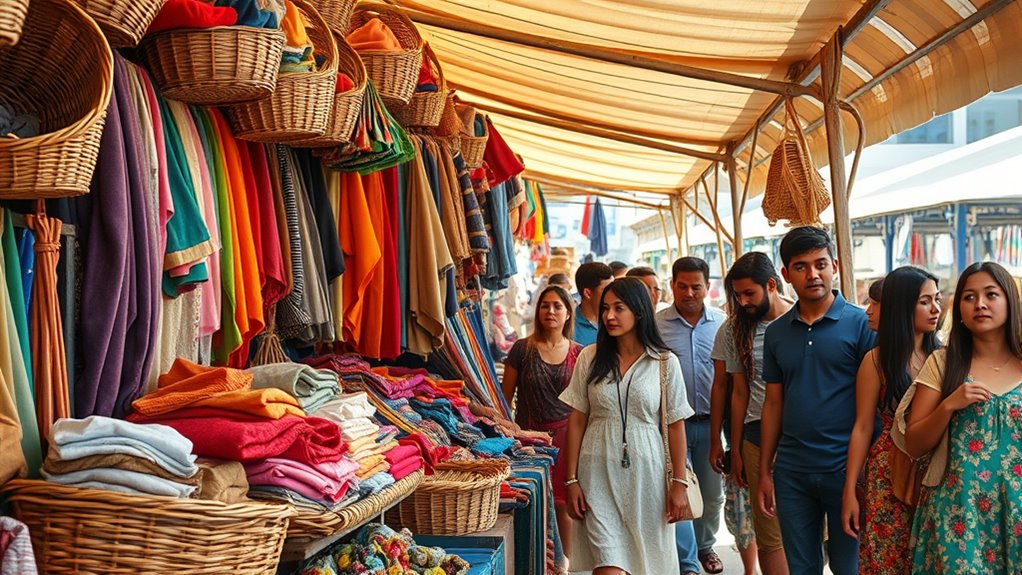

Sustainable fashion involves higher costs due to transparent, ethical sourcing and eco-friendly materials, which can lead to increased prices. As you shop, you may notice brands passing these costs to consumers or absorbing them, affecting affordability. Consumer willingness to pay a premium supports industry change, but price sensitivity still influences access. Over time, increased demand and economies of scale could lower costs, shaping the future of sustainable fashion—explore further to see how this balance evolves.
Key Takeaways
- Sustainable fashion involves higher production costs due to ethical sourcing, eco-friendly materials, and transparent supply chains.
- Consumer willingness to pay premiums supports industry investment but can limit accessibility for price-sensitive shoppers.
- Shifting supply chains towards local and ethical producers increases costs but promotes transparency and sustainability.
- Economies of scale from rising demand may reduce costs over time, making sustainable fashion more affordable.
- Industry practices like cost passing impact final pricing, influencing consumer access and social equity in sustainable fashion.
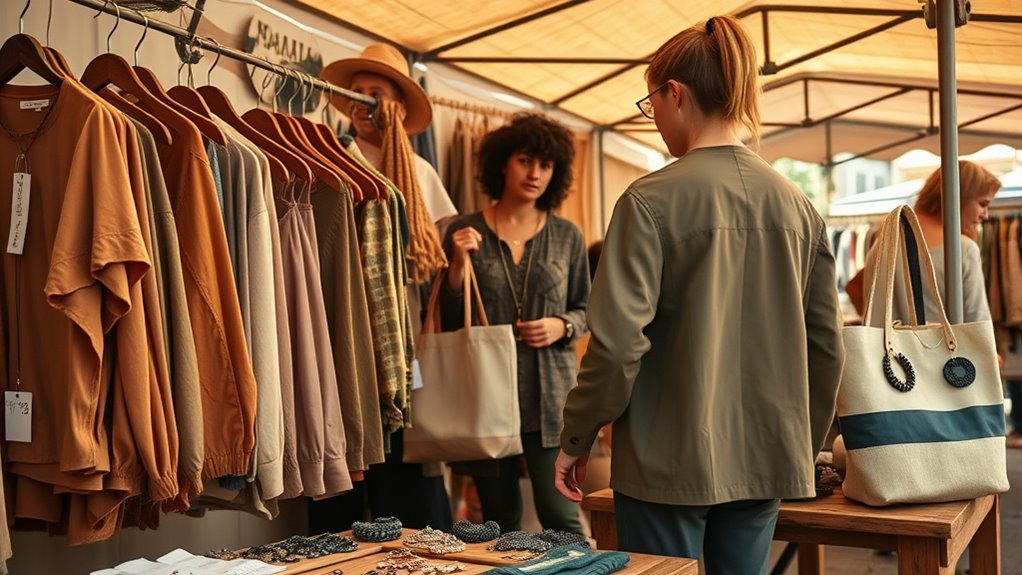
Have you ever wondered how sustainable fashion impacts the economy? When you look at the industry, it’s clear that supply chain dynamics play a significant role. Unlike traditional fashion, which often relies on fast-paced, globalized supply chains focused on cost-cutting and speed, sustainable fashion emphasizes transparency, ethical sourcing, and eco-friendly materials. This shift can make supply chains more complex, involving smaller, local producers and sustainable suppliers. This often results in increased production costs, but it also encourages more responsible business practices and supports local economies. For you as a consumer, understanding these supply chain shifts helps explain why sustainable garments often come with higher price tags. They reflect the additional investments in fair labor, quality materials, and eco-conscious processes.
Consumer willingness is another pivotal factor shaping the economics of sustainable fashion. Many shoppers today are increasingly motivated by environmental and social concerns, which boosts demand for sustainable options. When you choose to buy eco-friendly clothing, you’re signaling your support for a more ethical industry. However, this willingness isn’t always enough to fully offset the higher costs associated with sustainable production. Price sensitivity varies among consumers; some are willing to pay a premium, viewing it as an investment in the planet and society, while others prioritize affordability. Businesses have to balance these differing preferences, which influences how they price their products and target different market segments. If consumer willingness to pay a premium is strong, brands can justify higher prices and invest more in sustainable practices. Conversely, if many consumers remain price-sensitive, companies might struggle to make sustainable fashion widely accessible without compromising their margins.
The economics of sustainable fashion also involve considering how these higher costs are passed down through the supply chain. Manufacturers, designers, and retailers all have a role in determining final prices. Some brands absorb part of the costs to keep prices competitive, while others pass more of the expense onto consumers. This pricing dynamic directly impacts the industry’s accessibility. If sustainable clothing remains too expensive for the average shopper, it limits the reach of eco-friendly fashion and perpetuates social inequalities. On the other hand, increased demand can lead to economies of scale, gradually lowering costs and making sustainable options more accessible. As you decide whether to purchase sustainable fashion, your willingness to pay influences how brands evolve and how affordable eco-conscious choices become in the broader economy. Ultimately, the interplay between supply chain dynamics and consumer willingness shapes the future landscape of sustainable fashion’s economic viability. Additionally, a growing emphasis on transparency in supply chains is pushing brands to adopt more ethical and eco-friendly practices, further influencing costs and consumer perceptions.

Sustainable Wardrobe: Practical advice and projects for eco-friendly fashion (Sustainable Living Series, 6)
As an affiliate, we earn on qualifying purchases.
As an affiliate, we earn on qualifying purchases.
Frequently Asked Questions
How Do Sustainable Fashion Costs Compare Globally?
You’ll notice that sustainable fashion costs vary globally due to regional variations and cost disparities. In developed countries, higher wages and stricter regulations often lead to pricier sustainable options. Meanwhile, in developing regions, lower production costs can make eco-friendly fashion more affordable. This disparity impacts accessibility, meaning you might find sustainable fashion more available and affordable in some areas than others, depending on local economic factors.
What Incentives Exist for Brands to Adopt Sustainable Practices?
You’re likely to find that brands are motivated by incentives like consumer demand for ethical sourcing and increased brand transparency. These factors push companies to adopt sustainable practices because they want to build trust, enhance reputation, and meet ethical standards. Additionally, regulations and potential market advantages encourage brands to prioritize sustainability, making them more accountable for their environmental and social impact, which ultimately benefits both the planet and their business growth.
How Can Consumers Identify Genuinely Sustainable Fashion Products?
You can identify genuinely sustainable fashion products by checking for certification standards like GOTS or Fair Trade, which guarantee ethical practices. Look for transparency practices from brands, such as detailed information about sourcing and manufacturing processes. Ask questions or read labels carefully to verify claims. By staying informed and demanding transparency, you help support brands committed to real sustainability, making it easier to choose eco-friendly options confidently.
What Is the Impact of Sustainable Fashion on Employment?
You see sustainable fashion boost employment by creating jobs that emphasize ethical labor, skill development, and fair wages. It encourages local craftsmanship, supports small businesses, and promotes inclusive work environments. As demand grows, more opportunities emerge in eco-friendly manufacturing, sustainable sourcing, and ethical design. This shift not only provides stable employment but also fosters a more equitable fashion industry, empowering workers and encouraging responsible production practices.
Are Sustainable Fashion Options Affordable for Low-Income Consumers?
Sustainable fashion options can be affordable for low-income consumers if you look for affordable alternatives like thrift stores, second-hand shops, or brands offering budget-friendly eco-friendly options. Increasing consumer awareness helps you identify these options more easily and make informed choices. While some sustainable items might seem pricey initially, shopping smart and staying informed can help you access stylish, eco-conscious fashion without breaking the bank.
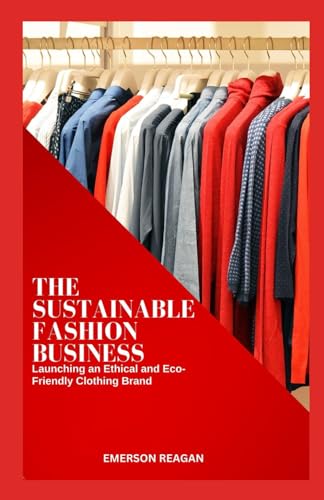
The Sustainable Fashion Business: Launching an Ethical and Eco-Friendly Clothing Brand
As an affiliate, we earn on qualifying purchases.
As an affiliate, we earn on qualifying purchases.
Conclusion
By now, you can see that sustainable fashion isn’t just a trend—it’s a revolution transforming the industry. While costs may seem high at first, your choices can drive prices down and make eco-friendly fashion more accessible to everyone. Remember, your purchasing decisions hold the power to reshape the world’s wardrobe and protect our planet. So, choose wisely, because your impact is bigger than you think—you’re part of a movement that could save the fashion industry from going extinct!

Organic Signatures Crewneck 100% Certified Organic Cotton, Soft Shirts for Men (Large, White)
100% ORGANIC COTTON SUPER SOFT TEES – These 100% cotton shirts for men are not only softer, cooler,…
As an affiliate, we earn on qualifying purchases.
As an affiliate, we earn on qualifying purchases.

Fair Indigo Women's Organic Pima Cotton Cap Sleeve Easy Tee (L, Black)
With an easy styling and curved bottom hem that's slightly longer in the back, this organic, fair trade…
As an affiliate, we earn on qualifying purchases.
As an affiliate, we earn on qualifying purchases.