
TL;DR

Get beauty and skincare favorites delivered free with Prime
- Fast, free delivery on millions of items
- Prime Video, Amazon Music and more included
- Member-only deals all year
‘Little Treat Culture’ is being promoted as a balanced approach to life, countering the pressures of over-optimization. Experts suggest it may improve well-being, but its long-term effects are still under discussion.
‘Little Treat Culture’ is emerging as a popular approach to counteract the effects of over-optimization, with proponents claiming it fosters better mental health and life satisfaction. This trend has gained traction through social media and lifestyle discussions, prompting experts to examine its potential benefits and limitations.
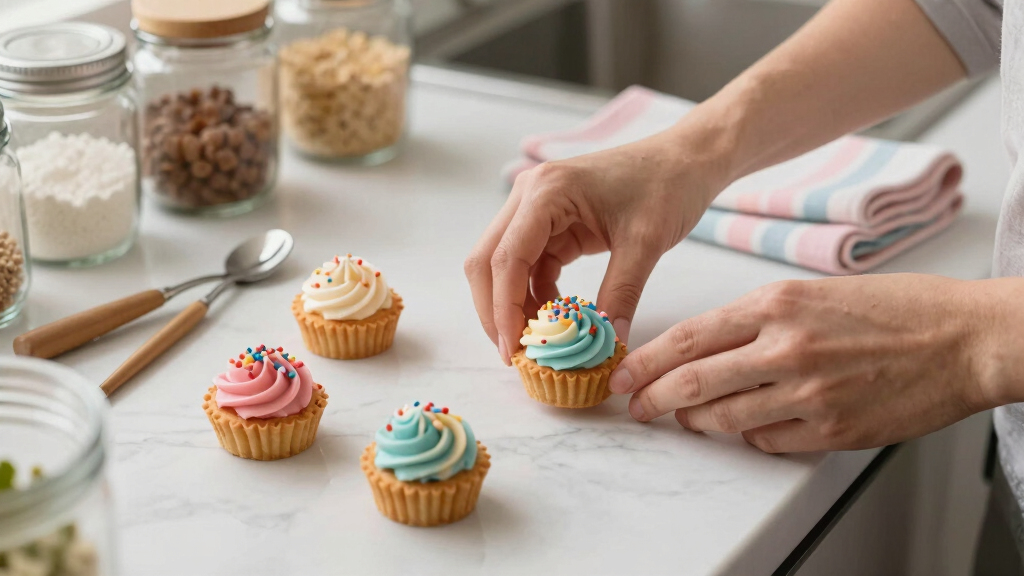
According to recent reports, ‘Little Treat Culture’ emphasizes small, intentional pleasures—such as enjoying a snack, taking brief breaks, or engaging in simple hobbies—as a way to balance the pressures of productivity and perfectionism. An anonymous researcher noted that this approach encourages individuals to prioritize self-care without abandoning ambition.
While there is no formal scientific consensus yet, some mental health advocates suggest that incorporating small treats into daily routines can reduce stress and improve overall well-being. The trend has been embraced by social media influencers and lifestyle coaches, who promote it as an antidote to the pervasive culture of over-optimization that encourages constant productivity and self-improvement.
Experts caution, however, that the effectiveness of ‘Little Treat Culture’ depends on consistent practice and individual context. It remains unclear whether this approach can lead to sustained mental health benefits or if it risks becoming another form of superficial distraction.
Implications for Mental Well-Being and Lifestyle Balance
The promotion of ‘Little Treat Culture’ signals a shift in public attitudes toward mental health and productivity, emphasizing the importance of small pleasures for emotional resilience. If widely adopted, it could influence workplace policies, personal routines, and societal norms around self-care. However, experts warn that over-reliance on small treats without addressing underlying stressors may limit its long-term impact.
As an affiliate, we earn on qualifying purchases.
Rise of Wellness Trends Challenging Over-Optimization
Over the past decade, societal emphasis on productivity, efficiency, and self-improvement has intensified, often leading to burnout and mental health issues. In response, various wellness movements have emerged, promoting mindfulness, self-compassion, and balance. ‘Little Treat Culture’ is part of this broader context, advocating for small, manageable pleasures as a counterbalance to relentless self-optimization.
This trend gained momentum through social media platforms, where influencers share daily routines emphasizing simple joys. It reflects a growing awareness that sustainable well-being requires more than constant achievement and self-discipline.
“‘Encouraging small, intentional pleasures could serve as an effective way to reduce stress and foster resilience against burnout.'”
— an anonymous researcher
As an affiliate, we earn on qualifying purchases.
Long-Term Impact of ‘Little Treat Culture’ Still Unclear
It is not yet confirmed whether consistent practice of ‘Little Treat Culture’ can lead to sustained improvements in mental health or if it risks becoming superficial. Researchers emphasize that more empirical studies are needed to evaluate its effectiveness over time.
As an affiliate, we earn on qualifying purchases.
Further Research and Broader Adoption Expected
Researchers plan to conduct studies on the psychological effects of small pleasure-based routines. Meanwhile, the trend is likely to continue spreading through social media and lifestyle communities, potentially influencing workplace wellness strategies and personal habits.
self-care journal for mental health
As an affiliate, we earn on qualifying purchases.
As an affiliate, we earn on qualifying purchases.
Key Questions
What exactly is ‘Little Treat Culture’?
‘Little Treat Culture’ promotes incorporating small, pleasurable activities into daily routines to balance the pressures of productivity and self-optimization.
Is ‘Little Treat Culture’ scientifically proven to improve mental health?
There is currently limited scientific evidence. Experts suggest it may help reduce stress, but more research is needed to confirm long-term benefits.
Can ‘Little Treat Culture’ replace traditional self-care methods?
It can complement existing self-care practices but is not a substitute for comprehensive mental health strategies or professional support.
Who is promoting ‘Little Treat Culture’?
The trend is popular among social media influencers, lifestyle coaches, and wellness advocates emphasizing balance and small pleasures.
Are there any risks associated with ‘Little Treat Culture’?
If relied upon exclusively, it might lead to superficial distraction rather than addressing deeper stressors. Balance and context are important.
Source: rss
Halloween Picks
halloween
As an affiliate, we earn on qualifying purchases.