Future fabrics like algae-based textiles and air-derived fibers are revolutionizing fashion by offering eco-friendly, stylish options. These innovative materials require less land and water, helping reduce environmental impact while maintaining durability and comfort. They also incorporate smart features like temperature regulation. By choosing clothing made from these sustainable sources, you support a greener future. Keep exploring to discover how these cutting-edge textiles are shaping the next wave of fashion creativity and responsibility.
Key Takeaways
- Future fabrics include algae-based textiles that are sustainable, renewable, and require minimal water and land resources.
- Air-derived fibers are created by capturing and converting atmospheric CO₂ into eco-friendly clothing materials.
- Innovative materials like mycelium, recycled plastics, and bioengineered fibers offer durability, breathability, and smart features.
- These fabrics enable stylish, functional garments that reduce environmental impact and promote sustainability in fashion.
- Textile technology advancements allow clothing to incorporate environmental benefits, such as carbon absorption and adaptive features.

Have you ever wondered what clothes of the future will look like? As technology advances, the fashion industry is shifting toward sustainable innovation, transforming how textiles are produced and designed. Instead of relying solely on traditional materials, future fabrics harness cutting-edge textile technology to create clothing that’s eco-friendly, functional, and stylish. Imagine garments made from algae, air, or other innovative sources—this isn’t science fiction; it’s the emerging reality driven by a desire to reduce environmental impact and meet the demands of eco-conscious consumers.
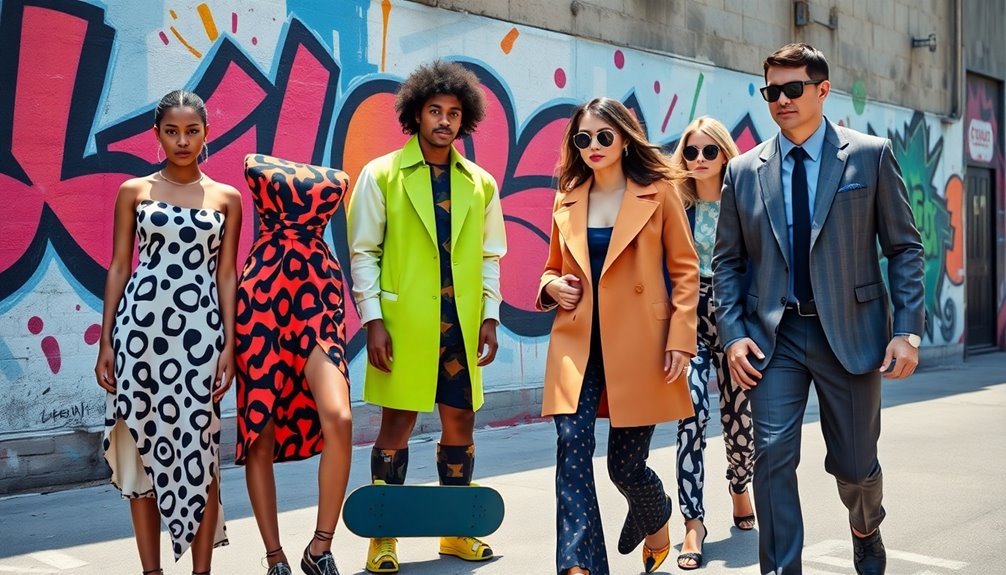
Future clothing combines eco-friendly materials like algae and air with innovative textile technology for sustainable style.
Sustainable innovation is at the core of these breakthroughs. Researchers and designers are exploring new ways to develop textiles that require fewer resources and generate less waste. For example, algae-based fabrics are gaining attention because algae grow rapidly, absorb carbon dioxide, and need minimal land and water. These qualities make algae an excellent renewable resource for textiles, offering a sustainable alternative to cotton or polyester. By integrating algae into fabric production, manufacturers can reduce reliance on environmentally damaging crops and synthetic fibers, making clothing production more eco-friendly and efficient.
Textile technology also plays a crucial role in creating fabrics from air. Scientists have developed methods to extract carbon from the atmosphere and turn it into fibers that can be woven into clothing. These innovations utilize carbon capture and conversion techniques, transforming greenhouse gases into usable materials. The result is not only a new source for textiles but also a way to combat climate change by capturing carbon emissions directly from the air. Clothes made from air-derived fibers could become a staple of future wardrobes, helping you stay stylish while supporting environmental sustainability.
Beyond algae and air, other futuristic materials include fabrics made from mushroom mycelium, recycled plastics, and bioengineered fibers. These materials boast qualities like breathability, durability, and comfort, all while minimizing ecological footprints. Advanced textile technology allows manufacturers to embed smart features into fabrics—such as temperature regulation or moisture-wicking—making future clothes more functional and personalized. This seamless blend of innovation and sustainability means your wardrobe could soon include garments that adapt to your needs and help protect the planet.
Ultimately, the future of fabrics is about reimagining what clothing can be—more responsible, more inventive, and more aligned with environmental goals. Through sustainable innovation and breakthroughs in textile technology, you’ll have access to clothes that look good, feel good, and do good for the planet. As these new materials become mainstream, you’ll find yourself wearing not just fashion but a statement of progress and responsibility. The clothes of tomorrow aren’t just about style—they’re about making a positive impact on the world around you. Incorporating textile technology into clothing is paving the way for a more sustainable and innovative future in fashion.
algae-based sustainable clothing
As an affiliate, we earn on qualifying purchases.
As an affiliate, we earn on qualifying purchases.
Frequently Asked Questions
How Durable Are Algae-Based Fabrics Compared to Traditional Textiles?
Algae-based fabrics generally offer good fiber strength, making them quite durable for everyday wear. They tend to have decent wear resistance, but may not yet match the longevity of traditional textiles like cotton or polyester. You might notice some differences in how they hold up over time, especially with heavy use. However, ongoing advances are improving their durability, so algae fabrics are becoming more competitive regarding fiber strength and wear resistance.
Are Air-Powered Fabrics Safe and Comfortable for Everyday Wear?
Like a gentle breeze on your skin, air-powered fabrics promise a new level of comfort. You’ll find air fabric safety is premier, with no harmful chemicals involved, making it safe for daily wear. These fabrics are lightweight, breathable, and adapt to your body’s needs, ensuring daily comfort. You can confidently wear air-based clothing, knowing it’s engineered to keep you comfortable and safe, just like a soothing wind on a warm day.
What Environmental Impacts Do These Innovative Fabrics Have During Production?
During production, these innovative fabrics can offer significant sustainability benefits by reducing resource consumption, such as water and energy. You might notice that they often require fewer raw materials and generate less waste, making them more eco-friendly. However, it’s vital to take into account the environmental impacts of the manufacturing processes themselves, including potential chemical use or energy sources, to fully understand their sustainability benefits and ensure minimal ecological footprint.
Can These Fabrics Be Recycled or Biodegraded Effectively?
You might wonder if these innovative fabrics can be recycled or biodegraded effectively. While they show promise, biodegradability challenges remain, such as ensuring they break down without harming the environment. Recycling methods are evolving, but some fabrics require specialized processes for proper reuse. Overall, these materials aim to balance sustainability with practicality, but ongoing research is key to overcoming biodegradability challenges and improving recycling techniques for a greener future.
How Affordable Will Algae, Air, and Other Future Fabrics Be for Consumers?
This question might just be the most important of our time—how affordable will these new fabrics be? You’ll find that as technology advances, the cost implications decrease, making these sustainable textiles more accessible. Market accessibility will improve, bringing prices closer to traditional fabrics. While initially they may seem pricey, expect costs to drop markedly, enabling you to embrace eco-friendly fashion without breaking the bank.

SilkCut Men’s Crew Neck T-Shirt 3-Pack Luxury Micro Modal Air Undershirts Moisture Wicking V-Taper Fit T-Shirts (US, Alpha, X-Large, Regular, Regular, Black)
THE SOFTEST TEES ON EARTH: Made from 94% Micro Modal Air, a beechwood-derived fiber that is significantly softer…
As an affiliate, we earn on qualifying purchases.
As an affiliate, we earn on qualifying purchases.
Conclusion
As you explore the future of fabrics, embrace the possibilities of innovation, sustainability, and creativity. Imagine clothing made from algae that breathes, air that transforms into textiles, and materials that adapt to your needs. Feel inspired to choose fabrics that protect the planet, empower your style, and redefine what’s possible. Because when you wear future fabrics, you’re not just making a statement — you’re shaping a better world, one garment at a time.

SmartSheer Solid Rod Pocket Window Sheer Panel, Ivory, 84" L x 59" W (Single Panel)
Energy Efficiency Year-Round: Keep your home comfortable by blocking heat and UV rays in summer and retaining warmth…
As an affiliate, we earn on qualifying purchases.
As an affiliate, we earn on qualifying purchases.
bioengineered fabric jackets
As an affiliate, we earn on qualifying purchases.
As an affiliate, we earn on qualifying purchases.