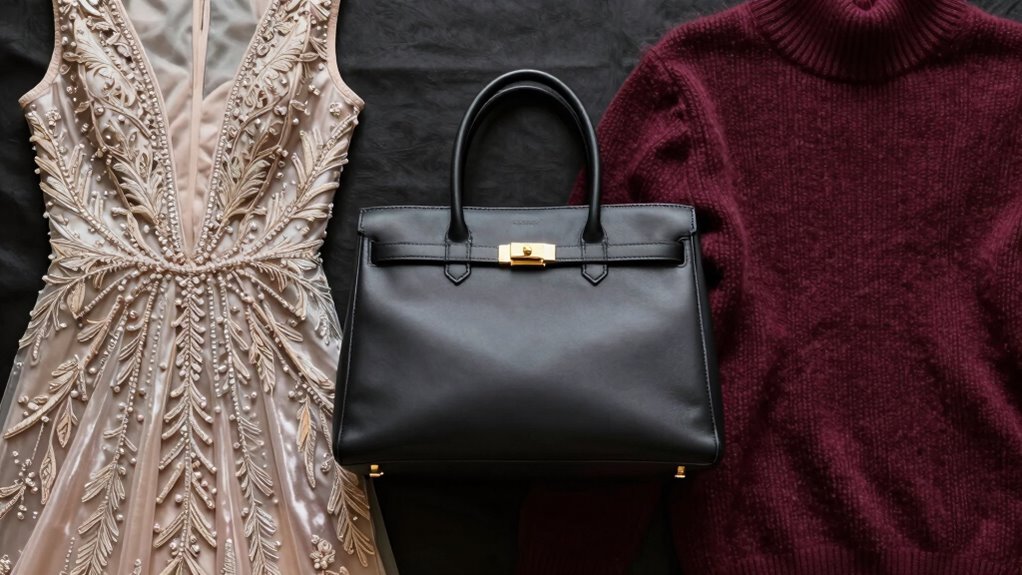

Couture offers exclusive, handcrafted pieces with custom fits and cultural influences, emphasizing craftsmanship and sustainability. Luxury fashion stands for high quality, prestige, and iconic branding, often blending heritage techniques with status symbolism. Premium fashion focuses on affordability, trendiness, and accessible styles with good quality. Each tier varies in exclusivity, price, and craftsmanship, helping you find options that match your values and style. Keep exploring to uncover how each tier can elevate your wardrobe and reflect your personality.

Get beauty and skincare favorites delivered free — and shop member deals
- Fast, free delivery on millions of items
- Access to Prime Big Deal Days deals on October 6–7
- Prime Video, Amazon Music and more included
Key Takeaways
- Couture features exclusive, handmade garments with cultural influences, emphasizing craftsmanship and sustainability.
- Luxury fashion signifies high-quality, iconic branding, and heritage craftsmanship, often serving as status symbols.
- Premium fashion offers trendy, good-quality pieces at accessible prices, focusing on affordability and mass appeal.
- Couture is highly limited and bespoke, while luxury brands produce larger collections with a focus on prestige.
- Sustainability is increasingly integrated across all tiers, with couture and luxury leading in eco-friendly practices.
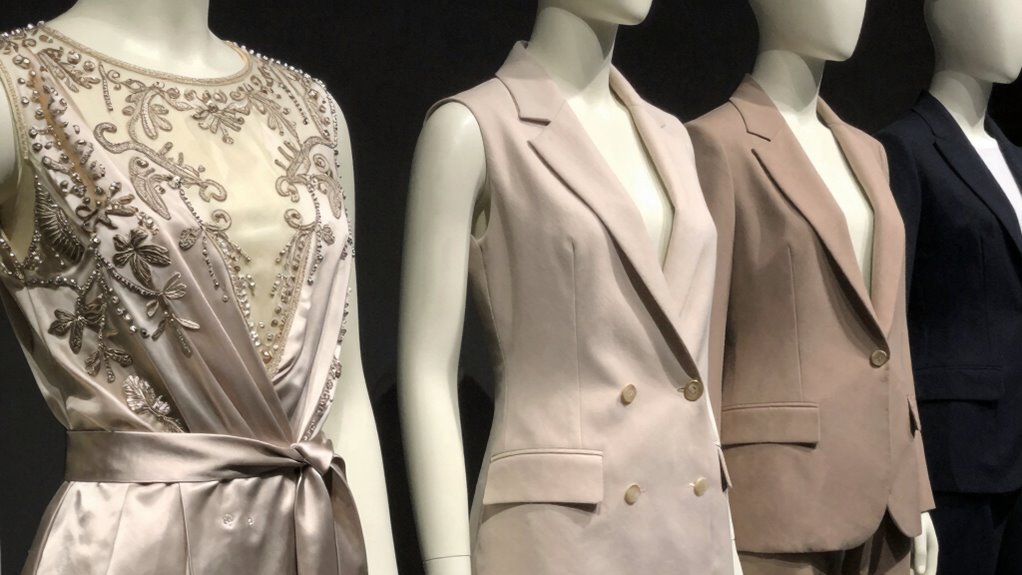
Understanding the distinctions between couture, luxury, and premium fashion can help you navigate the often complex world of style and investment. Each tier offers unique qualities, and recognizing these can guide your choices in both aesthetics and values. Couture, for instance, is characterized by its exclusivity and craftsmanship. When you buy couture, you’re investing in garments that are meticulously handcrafted, often made in limited quantities. These pieces embody sustainable practices in their durability and the careful selection of materials, reflecting a commitment to reducing waste and promoting responsible production. Additionally, couture is heavily influenced by cultural influences, as designers draw inspiration from diverse traditions, histories, and art forms. This cultural infusion enriches each piece, making it not just clothing but a wearable story or statement. If you’re drawn to one-of-a-kind creations that emphasize artistry and heritage, couture is where you’ll find that connection. Incorporating advanced tailoring techniques can elevate the overall quality and uniqueness of couture pieces. Moreover, the emphasis on bespoke craftsmanship ensures that each garment is tailored specifically to the wearer’s measurements and preferences, adding to its exclusivity.
Luxury fashion sits a step below couture but still represents a high level of quality, exclusivity, and prestige. When you purchase luxury items, you’re often paying for iconic branding, superior craftsmanship, and high-quality materials. Unlike couture, luxury brands tend to produce larger collections, making their pieces more accessible while still maintaining a sense of rarity and desirability. Many luxury brands also incorporate heritage craftsmanship into their production, emphasizing their long-standing expertise and tradition. Sustainability is increasingly becoming part of luxury brands’ practices, with many adopting eco-friendly materials and ethical labor standards to appeal to conscious consumers. Cultural influences are also prominent here, as luxury houses often integrate traditional techniques and motifs into their designs, creating a bridge between heritage and modern elegance. When you invest in luxury fashion, you’re also investing in a status symbol—something that signifies your appreciation for fine taste and craftsmanship. While not as exclusive as couture, luxury fashion continues to hold a special place for those who value quality and cultural storytelling. Sustainable practices are now increasingly integrated into their production processes, reflecting a shift toward more responsible fashion. This blend of tradition and innovation helps maintain their reputation for excellence and relevance in the industry.
Premium fashion, meanwhile, tends to focus on affordability and accessibility. These brands often prioritize mass appeal and trend-driven pieces, making style more reachable without sacrificing too much in terms of quality. Although premium brands may not emphasize sustainability to the same extent as couture or luxury, many are increasingly adopting eco-conscious practices to meet the demands of modern consumers. Cultural influences still play a role, as these brands often incorporate popular motifs or regional styles to resonate with broader audiences. Your choice to purchase premium fashion can be driven by a desire for current trends, good quality at a reasonable price, and a sense of connection to contemporary culture. Additionally, many premium brands are collaborating with artists and designers to stay innovative and relevant in the fast-paced fashion landscape. While it doesn’t carry the exclusivity of couture or luxury, premium fashion offers a practical way to enjoy stylish, well-made clothing while keeping an eye on sustainability and cultural relevance. Overall, understanding these tiers helps you align your wardrobe with your values and personal style, making smarter, more meaningful fashion choices.
As an affiliate, we earn on qualifying purchases.
Frequently Asked Questions
How Do Pricing Strategies Differ Among Couture, Luxury, and Premium Fashion?
You notice that pricing strategies differ across couture, luxury, and premium fashion. Couture prices rely heavily on pricing psychology, emphasizing exclusivity and craftsmanship, while distribution channels are highly selective, limiting access. Luxury brands set high prices to reinforce prestige, using strategic pricing psychology. Premium fashion balances affordability and quality, often employing broader distribution channels and moderate pricing to attract a larger audience.
What Materials Are Exclusive to Each Fashion Tier?
Materials in each fashion tier are like a secret recipe. Couture often uses exclusive fabrics sourced through meticulous, exclusive fabric sourcing, and every piece is handcrafted with exceptional craftsmanship. Luxury fashion features rare materials like fine silks or exotic leathers, also sourced exclusively. Premium fashion, while more accessible, still uses high-quality fabrics, but they’re less exclusive. Each tier’s materials reflect its distinct level of craftsmanship and exclusivity.
How Does Brand History Influence Perception in These Tiers?
Brand history greatly influences how you perceive fashion tiers through heritage storytelling and brand legacy. When a brand has a rich history, it adds authenticity and prestige, making its products seem more valuable. You’re more likely to trust and admire a label that has a storied past, as it reflects timeless craftsmanship and tradition. This emotional connection elevates the brand’s status, especially in luxury and couture segments, reinforcing exclusivity and desirability.
Are There Specific Customer Demographics for Each Fashion Level?
You’ll find that each fashion level attracts distinct customer demographics. Couture appeals to high-net-worth individuals seeking exclusivity, while luxury fashion draws those who value brand prestige and are willing to spend for quality. Premium fashion often targets middle-income shoppers who desire stylish options without breaking the bank. Customer loyalty and shopping behavior vary accordingly, with couture buyers being more brand loyal, and premium shoppers more price-conscious, but all seek a sense of status and identity.
How Do Marketing Approaches Vary Across Couture, Luxury, and Premium Brands?
You tailor your marketing approaches by emphasizing cultural influences that resonate with each audience. For couture, you focus on exclusivity and craftsmanship through high-end events and personalized experiences. Luxury brands leverage social media strategies to highlight heritage and status, creating aspirational content. Premium brands often appeal through broader campaigns that emphasize quality and value, using social media to connect with a wider demographic. Your goal is to craft messages that align with each brand’s unique identity and customer values.
As an affiliate, we earn on qualifying purchases.
Conclusion
Understanding the differences between couture, luxury, and premium fashion helps you navigate the stylish world with confidence. Think of these tiers as a spectrum, each offering its own unique sparkle—like stars in the night sky. Whether you’re drawn to the bespoke charm of couture, the timeless elegance of luxury, or the accessible allure of premium, knowing the distinction lets you choose pieces that truly reflect your style. After all, fashion is your personal canvas—paint it with intention and flair.
As an affiliate, we earn on qualifying purchases.
As an affiliate, we earn on qualifying purchases.
Fall Picks
fall essentials
As an affiliate, we earn on qualifying purchases.