
TL;DR

Get beauty and skincare favorites delivered free with Prime
- Fast, free delivery on millions of items
- Prime Video, Amazon Music and more included
- Member-only deals all year
Thorsten Meyer AI’s late-June buyer guide says PC builders should buy the DDR5 they need now rather than wait for lower prices or DDR6. The guidance treats DDR6 as a future platform change, not a near-term price escape, while warning that new DDR4 builds may no longer save money.
Thorsten Meyer AI has published a late-June buyer guide telling PC builders and upgrade planners to buy the DDR5 they actually need now, arguing that waiting for cheaper memory or DDR6 is unlikely to pay off in the near term. The guidance matters because buyers are making part choices during a 2026 memory crunch, with prices, capacity decisions and platform timing all affecting total build cost.
The guide says the old PC-buying habit of waiting for prices to fall is not serving buyers well in this cycle. Citing market sources including TrendForce and component reporting outlets, Thorsten Meyer AI says meaningful price relief is not expected before 2028 and that the next quarter is more likely to bring higher prices than lower ones.
For mainstream builds, the guide identifies DDR5-6000 CL30 as the current value target, saying faster kits often add cost without much real-world gain for typical gaming and desktop work. It recommends 32GB for general desktop and gaming systems and 64GB for content creation or heavier multitasking, while warning against buying 128GB simply as a hedge unless the workload already needs it.
The report also warns against starting a new build on DDR4 to save money. It says DDR4 has been pushed toward end-of-life production, making its price per gigabyte comparable to, or sometimes higher than, DDR5. Existing DDR4 systems do not need to be replaced solely for memory reasons, the guide says, but new buyers are advised to avoid building around an older socket for a small or nonexistent saving.
DDR5 now, DDR6 soon
A buyer’s field guide. The 20-year instinct — wait for prices to drop, or wait for the next generation — is broken this cycle. Buy the DDR5 you actually need now; don’t wait for DDR6. Here’s the reasoning.
Driven to end-of-life, production slashed. Same money, dead-end socket. Leave a working DDR4 box alone — but never start a new build on DDR4 to “save.”
A framework, not a gamble. Buy the DDR5 you need now, at the sweet spot, in the capacity you’ll actually use — don’t buy DDR4, don’t wait for DDR6. The two costliest mistakes in this market are the ones that feel prudent: waiting for a price drop that isn’t coming, and waiting for a next-gen part that launches dearer than what’s on the shelf. Next: The SSD Squeeze.
DDR6 Is Not A Near Escape
The core message for buyers is that DDR6 is not being framed as a short-term rescue. Thorsten Meyer AI says DDR6 is expected first in servers around 2026 to 2027, with mainstream desktop availability around 2027, and likely on new platforms rather than as a drop-in replacement for today’s DDR5 systems.
That matters because waiting for DDR6 could mean delaying a full system purchase while also facing a launch premium later. The guide estimates early DDR6 may cost two to three times more per gigabyte than DDR5 at launch, while requiring new boards and compatible platforms. For buyers who need a working system now, the report frames waiting as a cost risk rather than a saving plan.
The practical impact is clearest for gamers, creators and small businesses approving workstation quotes. A buyer who right-sizes DDR5 today can still receive current CPU, GPU and platform gains, while a buyer waiting for DDR6 may give up that performance window and still pay more when the new memory generation arrives.
As an affiliate, we earn on qualifying purchases.
How The DDR5 Pick Narrows
The guide places its advice inside the wider 2026 memory squeeze, following earlier installments that described why prices rose. This installment shifts from market causes to checkout decisions: which memory type, how much capacity, and whether buyers should wait.
On platform details, Thorsten Meyer AI says newer boards can benefit from CUDIMMs when buyers push beyond the DDR5-6000 sweet spot, because the added clock driver may help stabilize higher speeds. For workstations, it points to a continuing move toward registered memory and advises buyers to check motherboard qualification lists before filling many slots, especially on systems with two DIMMs per channel.
The DDR6 comparison in the source material cites JEDEC for standards status and other technical reporting for expected specifications. The guide lists DDR6 as moving toward 4 by 24-bit subchannels, speeds from about 8,800 to 17,600 MT/s, and bandwidth gains over DDR5, but treats those gains as relevant mainly for future platforms and bandwidth-bound users.
“Buy DDR5 now — for what you need.”
— Thorsten Meyer AI buyer guide
As an affiliate, we earn on qualifying purchases.
Price Relief Remains Unsettled
The guide’s price outlook is based on late-June 2026 market readings, not a fixed guarantee. Memory pricing can move with production changes, AI server demand, inventory levels, retailer promotions and currency moves, so the exact timing of any relief remains uncertain.
DDR6 timing is also still developing. The source material gives expected windows for server and desktop adoption, but broad consumer availability, launch pricing, motherboard support and early stability are not yet confirmed for specific retail products.
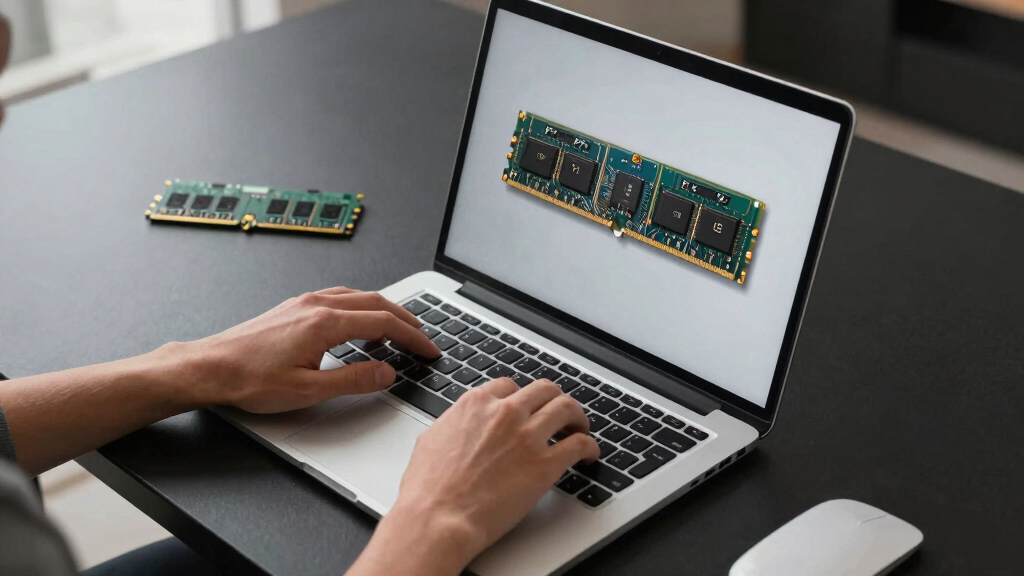
high performance DDR5 memory for gaming
As an affiliate, we earn on qualifying purchases.
As an affiliate, we earn on qualifying purchases.
Buyers Face Near-Term Quotes
The next step for readers is to apply the guide at checkout: choose DDR5, target DDR5-6000 CL30 where appropriate, buy the capacity the workload uses today and verify motherboard support before ordering large kits.
Thorsten Meyer AI says the next installment in the series will turn to the SSD squeeze. For memory buyers, the next market markers to watch are vendor price forecasts, DDR6 standards progress, server adoption and the first confirmed desktop DDR6 platform plans.
As an affiliate, we earn on qualifying purchases.
Key Questions
Should most PC buyers wait for DDR6?
According to the Thorsten Meyer AI guide, most buyers should not wait. DDR6 is described as a later platform shift, with mainstream desktop availability expected around 2027 and early pricing likely above today’s DDR5.
What DDR5 kit does the guide recommend?
The guide points to DDR5-6000 CL30 as the practical sweet spot for many AMD and Intel builds, saying higher-speed kits often add cost without much day-to-day benefit for typical users.
How much memory should buyers choose?
The report recommends 32GB for general desktop and gaming use and 64GB for creation work or heavier multitasking. It warns that 128GB can be wasted money unless the workload already needs it.
Is DDR4 still a smart budget choice?
The guide says new DDR4 builds are risky as a savings move because DDR4 pricing is now close to, or above, DDR5 per gigabyte in some cases. It advises keeping a working DDR4 system if it meets the need, but not starting a fresh build around DDR4.
Who might wait for DDR6?
The source material says waiting may make sense for bandwidth-bound AI, ML or scientific-computing users, or for long-life workstation buyers who can budget for early-adopter pricing and platform issues.
Source: Thorsten Meyer AI
Halloween Picks
halloween
As an affiliate, we earn on qualifying purchases.