TL;DR
Luxury facial cleansing brushes are powered devices or premium manual tools that help loosen makeup, sunscreen, oil, and surface debris while you cleanse. They can make a routine feel more comfortable or consistent, but clean hands and a suitable cleanser work well for many people; gentle use and regular device care matter more than price or intensity.
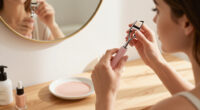
The bathroom mirror is still fogged when your new cleansing brush gives a quiet buzz in your palm. It feels polished and satisfying—but does that mean it cleans better than your hands?
Luxury facial cleansing brushes range from powered silicone devices to premium manual tools. Here, you’ll learn what they can do, what their price may buy, how to use one gently, and when a simple hand wash is already enough.
A luxury label signals design, materials, or features—not proven superior cleansing.
Use makeup remover first for heavy or long-wear makeup, then cleanse gently.
Start with light pressure and a low setting; pause if your skin stings, flakes, feels tight, or stays red.
Rinse, clean, dry, and replace parts according to the device instructions.
Clean hands are a complete option if a brush does not suit your skin or routine.
What a Luxury Facial Cleansing Brush Actually Does
A luxury facial cleansing brush is a powered device or premium manual tool that helps loosen makeup, sunscreen, oil, and surface debris as you wash. Powered versions usually vibrate or oscillate, or use a textured silicone surface; manual brushes rely on your hand. In either case, the cleanser and rinsing do the main cleaning. The brush changes how the cleanser moves across your skin, adding contact and friction. The word luxury describes features, materials, design, or branding, not proof of superior cleansing.
Imagine washing off a day’s sunscreen after a walk: a brush can add a gentle, massage-like glide while cleanser does the work. That extra contact may help you notice areas you tend to rush, but it also means pressure and duration matter. A brush may help lift leftover residue, yet it does not dissolve every long-wear product; trying to scrub off waterproof mascara can irritate the delicate skin around your eyes. A separate remover is often the more comfortable first step.
Some brushes are powered and add timers, intensity settings, travel cases, or interchangeable heads. A timer can make a brief wash easier to repeat, while settings let you adapt the sensation; neither guarantees a better result. Others are manual tools designed to offer a textured feel without charging or an app. Both are optional. If your hands already let you cleanse comfortably and consistently, a device adds cost and care without solving a problem you have.
What You Pay More For—and What You Don’t
Premium models may buy you comfort, construction, settings, and convenience, but the price tag alone cannot tell you whether a brush will leave your face cleaner. Those features matter when they remove a real point of friction in your routine: a comfortable surface may make you more willing to use the tool, and a timer may help keep a wash short. Extra settings and accessories can also mean more parts to clean, charge, store, or replace. Luxury facial cleansing brushes vary by contact surface, maintenance needs, and extras; results still depend on your cleanser, technique, and skin.
| Feature | What it may add | What to keep in mind |
|---|---|---|
| Silicone surface | Smooth contact and easy rinsing | It still needs washing and drying |
| Soft bristles or replaceable heads | A familiar brush feel and a fresh head over time | Follow the maker’s cleaning and replacement schedule |
| Adjustable settings or timer | A more structured, repeatable routine | A stronger setting is not automatically better |
| Travel case or charging base | Convenient storage and charging | Check whether those extras suit your routine |
For example, if you often wash your face in a small hotel sink, a compact, easy-to-rinse design may earn its place because it is simpler to pack and care for. If a brush will sit unused beside a costly charging stand, its premium finish may not be worth the expense to you. The useful comparison is what the brush changes in your actual routine, weighed against its purchase price and upkeep.
Marketing may promise a deep clean or smaller-looking pores, but a brush cannot permanently shrink pores or treat acne by itself. More friction is not a shortcut to those outcomes; it can instead leave skin uncomfortable. Think of luxury as a nicer handle and a smoother routine, like choosing a favorite mug: pleasant to use, but it doesn’t change what’s inside.
How to Add One Without Overdoing It
To add a facial cleansing brush safely, start with the device instructions, use a gentle cleanser, and keep pressure light. The aim is to let the surface move across skin, not to force it to remove more by pressing harder. Extra pressure and repeated passes increase friction without showing that cleansing is more effective. Your skin should feel comfortable afterward, not tight or scrubbed raw. Try this simple sequence the first time:
- Remove heavy makeup first. Use a suitable remover or cleansing oil for long-wear products. This lets the brush focus on cleansing rather than rubbing stubborn makeup around.
- Wet your face and the contact surface. Apply a mild cleanser that suits your skin and the device; lubrication helps the surface glide rather than drag.
- Use the gentlest setting and light touch. Glide rather than press, and follow the model’s stated duration. A short, comfortable pass is easier to assess than a long session with several new products.
- Rinse and pat dry. If your skin feels tight, stings, flakes, or stays red, reduce use or stop. Those changes suggest the added friction may be too much for your skin.
Take a Saturday night example: after removing mascara separately, glide the brush over your forehead and cheeks with cleanser, without lingering on one spot. The aim is a comfortable wash, not a scrub. Follow your model’s directions on frequency, waterproofing, charging, and replacement heads, since designs differ and using a device outside its instructions can affect both care and use.
There is no single schedule that suits every device and skin type. Starting conservatively makes it easier to tell whether the brush itself agrees with your skin. Avoid pairing vigorous brushing with a scrub or strong acids and retinoids; several irritating steps can add up quickly, making it harder to identify which one caused discomfort.
When Gentle Hands May Be the Better Choice
If your skin is sensitive, dry, irritated, or actively inflamed, washing with your hands may be the gentler choice. Repeated friction and pressure can bother skin, especially when its surface already feels uncomfortable, and a brush is not a must-have step for clear or comfortable skin. The mildest method that cleans well is a sensible place to start: it avoids adding stimulation without a clear benefit, while still letting you cleanse regularly.
For example, if your cheeks sting after a windy walk or look persistently red, skip brushing over those areas and keep cleansing gentle. Avoid using a device over broken or sunburned skin, where added rubbing can aggravate discomfort. If you have a skin condition such as eczema or rosacea, or you’re unsure whether friction is suitable, ask a dermatologist or other qualified professional. That advice can help you distinguish a tool-related reaction from an underlying skin concern.
Comfort is your cue: if cleansing leaves your skin stinging, tight, flaky, or persistently red, pause the brush and reassess your routine.
Brushes do not cure acne or remove blackheads for good, and pore size is not something a cleansing tool can permanently change. Turning up the device in pursuit of those results may add irritation without addressing the cause. If breakouts or irritation worry you, ask a qualified professional for guidance rather than turning up the device.
How to Keep the Brush Clean Between Uses
Rinse your brush after every use, remove any cleanser or residue, and let it dry fully according to the maker’s directions. This matters because a film left on the contact surface can make the next wash less pleasant and harder to rinse clean. Silicone surfaces are often easy to rinse, but they are not self-cleaning. Bristle heads can hold onto leftover cleanser and oil, so cleaning and replacement instructions matter; the surface and construction affect how much attention the tool needs.
Picture finishing a quick morning wash before rushing to work: a fast rinse is easy to forget, but residue left on the surface dries into a film. Rinse the contact area, clean it as directed, and store it where it can dry instead of sealing it away damp. Letting it dry between uses is a practical part of upkeep, especially if your bathroom stays humid. Replace heads at the interval specified for your model, since a replaceable part has its own care schedule and cost.
Check the manual for waterproofing before rinsing or using the brush in the shower. Some designs tolerate splashes; others have charging parts that need to stay dry. Following those limits helps avoid damaging the device while keeping care manageable. Good care helps keep the tool pleasant to use, but it does not promise a particular skin result.
Three Questions to Ask Before You Buy
Choose a brush based on how it feels, how you’ll care for it, and whether the extras suit your routine. These questions connect the purchase to everyday use: comfort affects whether you reach for it, maintenance affects whether it stays pleasant to use, and useful features can justify a higher cost. Luxury facial cleansing brushes can make a daily wash feel more polished, but the best match is the one you can use gently and maintain.
- Will I enjoy the sensation? If vibration or textured silicone sounds irritating, hands may feel better. A tool you avoid because of its feel adds little value, even if it has many settings.
- Can I clean and store it easily? Look at drying, head replacement, charging, and travel needs. The time and replacement parts are part of owning it, so consider whether the routine still feels convenient after the novelty wears off.
- Do its features solve a real problem for me? A timer may help you stick to a short routine; an app may add little if you prefer a simple wash. Features are most useful when they make an existing habit easier rather than adding steps you won’t use.
If you’re buying your first one, picture a normal Tuesday morning, not a spa day: will you reach for it, rinse it, and let it dry? If the answer is yes, comfort and convenience may justify the price. If not, your cleanser and clean hands can remain the whole routine; a simpler routine can be the better value when it already works for you.
Frequently Asked Questions
Do facial cleansing brushes work better than hands?
Not for everyone. A brush can make cleansing feel more thorough or structured, but clean hands and a suitable cleanser work well for many people. Technique and comfort matter more than owning a device.
Can I use a cleansing brush with sensitive or acne-prone skin?
Friction can irritate sensitive, dry, or inflamed skin, and a brush may not suit everyone with acne-prone skin. Try hands if your skin feels uncomfortable, avoid actively irritated areas, and ask a qualified professional if you have a skin condition or concerns.
How often should I use a facial cleansing brush?
There is no universal schedule for every brush and skin type. Follow your model’s instructions, start conservatively, and cut back or stop if skin becomes tight, stings, flakes, or stays red.
Can a cleansing brush remove sunscreen and makeup?
It may help loosen residue during cleansing, but heavy makeup or long-wear sunscreen may need a separate first step. Use an appropriate makeup remover or cleansing oil, then follow with your regular cleanser and brush if it feels comfortable.
Are expensive or silicone cleansing brushes worth it?
That depends on whether the design, comfort, settings, warranty, or portability suit your routine. Silicone surfaces are often easy to rinse, but they still need regular washing and drying; price alone does not show that a brush will give better skin results.
Conclusion
Choose a luxury facial cleansing brush for a comfortable, convenient routine—not a promise of transformed skin. Use the gentlest approach that leaves your face feeling clean, and let comfort guide what stays on your bathroom shelf.