
TL;DR
Open a free Amazon Business account
Business pricing, bulk buying and tax-exempt orders.
As an affiliate, we earn on qualifying purchases.
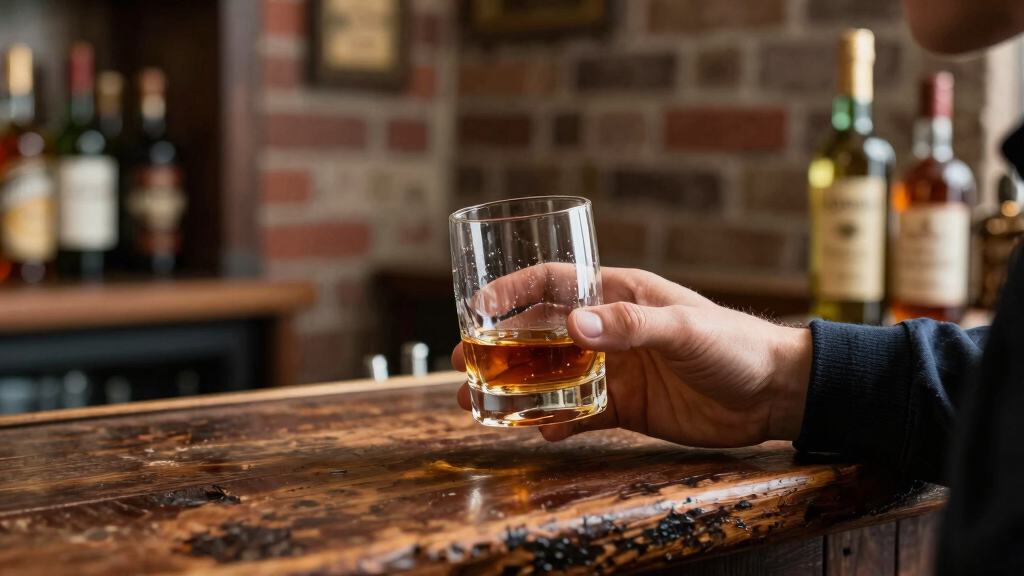
Historically, many celebrated writers and artists have associated alcohol with inspiration, but recent trends show a decline in drinking and a rise in sobriety. The myth of alcohol as a creative catalyst is being challenged by the realities of its destructive effects.
Historical and cultural narratives linking alcohol to artistic inspiration persist, but recent trends show a decline in alcohol consumption among writers and artists, challenging the myth that intoxication is essential for creativity.
The association between alcohol and creative inspiration dates back to ancient times, with stories of Chinese sages and Neolithic ancestors using wine and fermented drinks to stimulate verse and thought. In the 20th century, many prominent American writers—including Ernest Hemingway, William Faulkner, and Sinclair Lewis—were known for their heavy drinking, often romanticized as part of the artistic process. Literary memoirs by figures like Leslie Jamison and Caroline Knapp reveal that some writers still believed in alcohol’s creative potential, though they also recognized its destructive effects.
Research and cultural shifts in recent years indicate a decline in alcohol consumption in the U.S., with more individuals adopting sobriety or reducing intake. The rise of sobriety memoirs and movements like Dry January reflect changing attitudes, emphasizing that sobriety can foster creativity as well as health. This challenges the longstanding myth that drunkenness is a necessary or even beneficial part of the creative process.
Why It Matters
This shift in cultural attitudes matters because it redefines the relationship between alcohol and creativity, highlighting the potential for sober inspiration and mental clarity. It also underscores the recognition of alcohol’s harms, which have historically been overlooked amid romanticized narratives. For artists and the broader public, understanding this evolution can influence how creative work is approached and valued in contemporary society.
As an affiliate, we earn on qualifying purchases.
Background
The myth of the artist as a habitual drinker gained prominence during the early 20th century, reinforced by stories of figures like Hemingway and Faulkner. Historically, alcohol was seen as an integral part of the artistic process, often linked to the romantic idea of the tortured genius. However, research and social attitudes have shifted, with recent data showing declining alcohol use and increased interest in sobriety. The rise of sober memoirs and changing social norms reflect a broader cultural reassessment of alcohol’s role in life and creativity.
“The myth of the artist as a habitual drinker is more a cultural construct than a reflection of reality.”
— Olivia Laing
“Cocktails once seemed like a necessary catalyst for inspiration, but sobriety has opened new creative avenues.”
— Leslie Jamison
“Stories of excessive drinking reveal that the experience is more ordinary and destructive than glamorous.”
— Sophie Gilbert
As an affiliate, we earn on qualifying purchases.
What Remains Unclear
It remains unclear whether the cultural shift away from alcohol will diminish its romanticized role in creative myths permanently or if there will be a resurgence of interest in alcohol as an inspiration source in future artistic circles.
As an affiliate, we earn on qualifying purchases.
What’s Next
Future developments may include increased emphasis on sobriety in creative communities and further research into how mental clarity influences artistic output. The ongoing cultural conversation will likely explore alternative methods of inspiration beyond alcohol.
As an affiliate, we earn on qualifying purchases.
Key Questions
Is alcohol truly necessary for creative inspiration?
Current evidence and cultural shifts suggest that alcohol is not necessary and may even hinder creativity. Many artists find inspiration through sobriety and mental clarity.
Why did the myth of the drunk artist develop?
The myth was reinforced by historical figures and romanticized narratives that linked intoxication with genius, often overlooking the negative effects of substance abuse.
Are modern writers and artists abandoning alcohol entirely?
While many are reducing or abstaining from alcohol, some still incorporate it into their creative routines. The broader trend, however, favors sobriety and healthier lifestyles.
What are the benefits of sobriety for creativity?
Sobriety can enhance mental clarity, emotional stability, and focus, which many believe are conducive to sustained and authentic creative work.
Flea & tick season Picks
flea and tick prevention
As an affiliate, we earn on qualifying purchases.