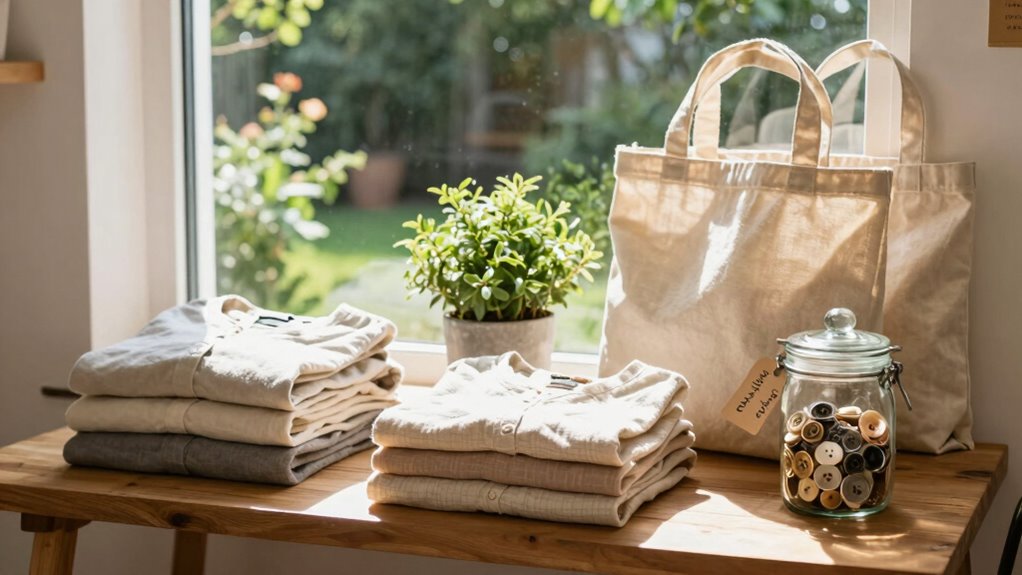

To start your sustainable style journey, focus on building better habits like choosing eco-friendly fabrics such as organic cotton or recycled materials, supporting ethical brands, and caring for your clothes to extend their life. Opt for secondhand shopping and avoid impulsive buys to reduce waste. Using sustainable transportation options can also lower your overall impact. By making these mindful choices consistently, you’ll gradually create a more eco-conscious wardrobe—find out more ways to make your style sustainable.

Get beauty and skincare favorites delivered free — and shop member deals
- Fast, free delivery on millions of items
- Access to Prime Big Deal Days deals on October 6–7
- Prime Video, Amazon Music and more included
Key Takeaways
- Choose clothing made from eco-friendly, sustainable fabrics like organic cotton, hemp, or recycled materials.
- Support ethical fashion brands committed to fair labor, transparency, and responsible sourcing.
- Practice proper clothing care by repairing, washing in cold water, and air-drying to extend garment life.
- Incorporate sustainable transportation options, such as electric bikes, to reduce overall environmental impact.
- Shop secondhand and prioritize quality over quantity to build a durable, timeless wardrobe.

Have you ever wondered how your fashion choices impact the environment? Every time you pick out an outfit, you’re making a decision that can either support sustainability or contribute to environmental harm. The good news is that small, mindful habits can make a significant difference. When you start prioritizing eco-friendly fabrics, you’re reducing your carbon footprint and supporting brands that value ethical practices. Eco friendly fabrics like organic cotton, hemp, and recycled materials are crafted with less water, fewer chemicals, and lower emissions. Choosing clothing made from these fabrics isn’t just a trend — it’s a step toward a healthier planet.
In addition to selecting sustainable materials, aligning yourself with ethical fashion brands can amplify your positive impact. These brands focus on fair labor practices, transparency, and environmental responsibility. By supporting ethical fashion brands, you’re helping to create a more equitable industry, where workers are paid fairly and treated with dignity. By making these choices, you also contribute to the sustainable fashion movement, which is gaining momentum worldwide. Incorporating their pieces into your wardrobe doesn’t mean sacrificing style — many ethical brands design modern, versatile clothing that meets your aesthetic standards while championing sustainability.
Your habits extend beyond just what you buy. Making conscious decisions about how you care for your clothes can also reduce waste and extend their lifespan. Instead of tossing out worn-out garments, think about repairing or repurposing them. Washing clothes in cold water, avoiding harsh detergents, and air-drying whenever possible help preserve fabrics and cut down on energy consumption. These small acts add up over time, reducing the need for frequent replacements and minimizing textile waste that ends up in landfills. Additionally, considering electric bikes and dirt bikes for your transportation needs can reduce your overall carbon footprint by replacing gas-powered vehicles with cleaner alternatives. Incorporating sustainable transportation options into your routine can further lower your environmental impact. Understanding the impact of side-channel attacks in cybersecurity can also inspire you to adopt more secure habits in your digital life.
Shopping secondhand is another impactful habit. Thrift stores, online resale platforms, and clothing swaps give your wardrobe a second life while diverting clothing from landfills. This practice not only saves resources but also introduces you to unique pieces you won’t find in mainstream stores. It’s a simple way to practice sustainability without sacrificing style. Moreover, choosing garments made from sustainable fabrics can help lower the environmental toll of clothing production, which is often resource-intensive.
Finally, becoming more mindful about your overall consumption habits can create lasting change. Rather than impulsively buying, ask yourself if you truly need an item, and consider its longevity and versatility. Building a wardrobe based on quality, timeless pieces from ethical brands ensures that you won’t need to replace clothing frequently. By cultivating these habits, you’re actively participating in a movement toward more sustainable, ethical fashion — one that benefits both the planet and the people who make our clothes.
As an affiliate, we earn on qualifying purchases.
Frequently Asked Questions
How Can I Identify Truly Sustainable Clothing Brands?
To identify truly sustainable clothing brands, look for eco-friendly certifications like GOTS or Fair Trade, which guarantee environmentally sound practices. Also, research if the brand commits to ethical labor, providing fair wages and safe working conditions. You can check their transparency and policies on their website or third-party reviews. By focusing on these markers, you’ll find brands that prioritize sustainability and social responsibility, making your wardrobe more eco-conscious.
What Are the Best Ways to Extend the Life of My Wardrobe?
Ever wonder how to make your wardrobe last longer? Focus on clothing durability by choosing quality pieces and caring for them properly. Keep your wardrobe organized to prevent unnecessary wear and tear. Repair small damages promptly and wash clothes according to instructions. Isn’t it smarter to invest a little time now to avoid replacing items frequently? These habits help extend your wardrobe’s life, saving you money and reducing waste.
How Does My Laundry Routine Impact Sustainability?
Your laundry routine impacts sustainability considerably. By conserving water and choosing eco-friendly detergents, you reduce your environmental footprint. Wash full loads to save water and energy, and opt for cold water cycles to lower energy use. Using biodegradable or plant-based detergents minimizes chemical runoff, protecting waterways. These small changes make a big difference in supporting sustainable fashion practices and keeping your wardrobe’s lifespan longer.
Can Thrift Shopping Be Truly Eco-Friendly?
Yes, thrift shopping can be truly eco-friendly when you embrace upcycling practices and prioritize sustainable fabric sourcing. By choosing secondhand items, you extend the life of garments, reducing waste and demand for new resources. When you get creative with upcycling, you transform old pieces into fresh styles, further decreasing environmental impact. Combining thrift shopping with these habits makes your fashion choices more sustainable, impactful, and uniquely your own.
What Are Simple Daily Habits to Reduce Fashion Waste?
You can reduce fashion waste daily by donating clothes you no longer wear, supporting clothing donation programs. Repair and repurpose garments instead of discarding them, and opt for fabric recycling whenever possible. Wash clothes gently to extend their lifespan, and avoid impulsive shopping. These habits help minimize waste, conserve resources, and promote sustainability in your wardrobe. Small daily actions add up to a significant positive impact on the environment.
As an affiliate, we earn on qualifying purchases.
Conclusion
By embracing these sustainable style habits, you’re not just making better choices—you’re becoming part of a larger movement. It’s funny how small, intentional shifts can lead to big change, almost like the universe aligning in your favor. When you prioritize durability over trends and reuse instead of discard, you start to see how effortlessly sustainability can fit into your daily routine. Remember, every conscious decision is a step toward a more mindful, stylish future—one habit at a time.
As an affiliate, we earn on qualifying purchases.
As an affiliate, we earn on qualifying purchases.
Fall Picks
fall essentials
As an affiliate, we earn on qualifying purchases.