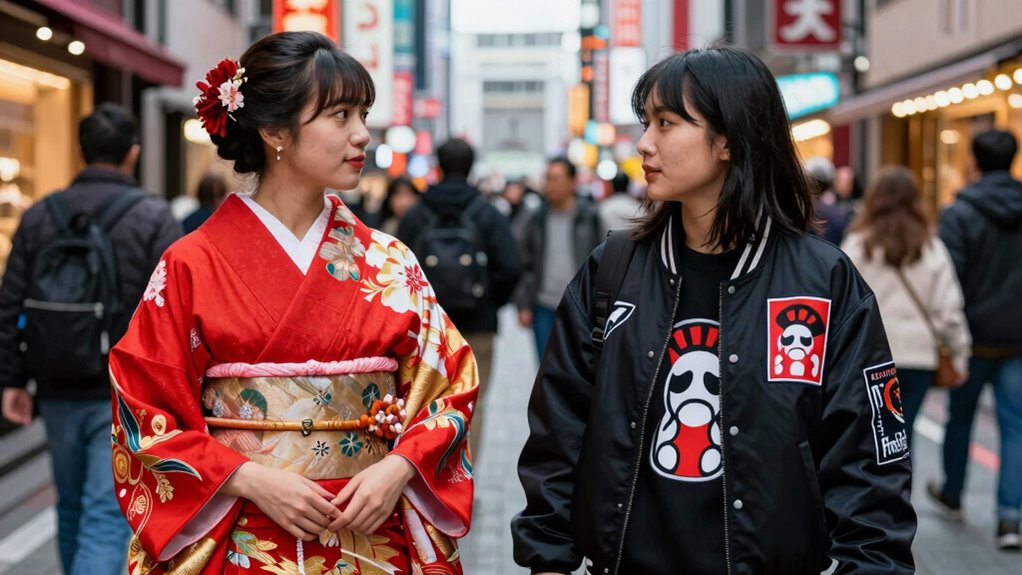

When you approach fashion borrowing with respect and understanding, it can become a meaningful cultural exchange that celebrates diversity and supports communities. However, if you use cultural symbols superficially or without acknowledging their origins, it risks disrespect and controversy. Your awareness of a culture’s significance and your intention behind the use are key. By learning more, you’ll discover how to foster genuine appreciation and avoid misunderstandings in fashion’s complex cultural landscape.
Key Takeaways
- Respectful collaboration with cultural communities transforms borrowing into genuine cultural exchange.
- Acknowledging and understanding the cultural significance behind styles prevents superficial appropriation.
- Educating consumers and designers about origins fosters awareness and responsible fashion choices.
- Using cultural elements solely for aesthetic appeal without context often leads to controversy.
- Fair recognition and benefits for original communities promote appreciation over appropriation.
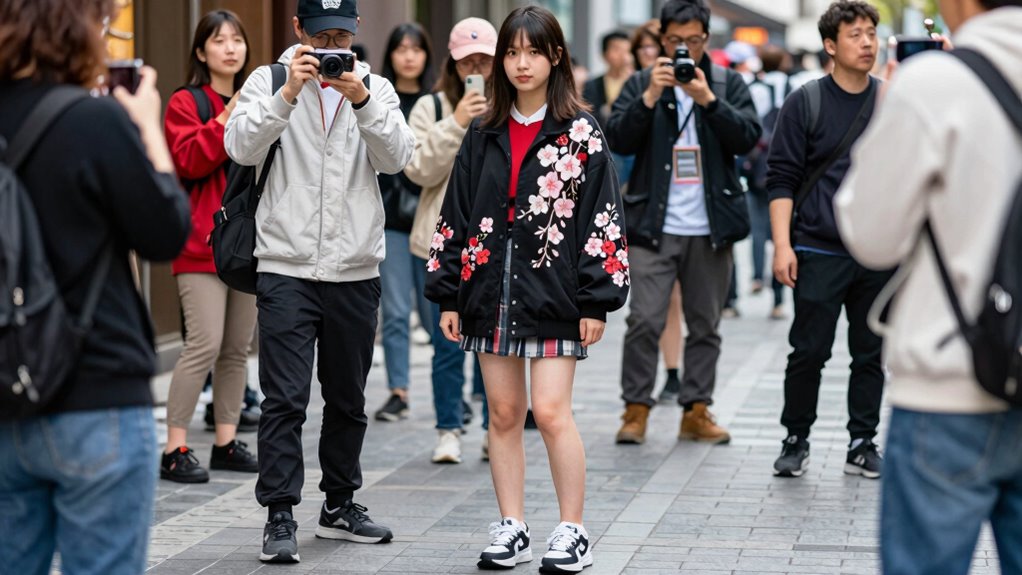
Have you ever wondered whether fashion borrowing is a celebration of cultural exchange or an act of cultural appropriation? When you see designers incorporate traditional patterns, textiles, or styles from different cultures, it’s tempting to see it as cultural appreciation—a way to honor and showcase diversity. However, the line between respectful homage and cultural appropriation can be blurry. If you’re not careful, what starts as admiration can easily turn into commodification, stripping away meaning and context from meaningful cultural symbols.
Fashion borrowing becomes a controversy when it ignores the origins and significance behind cultural elements. For example, adopting indigenous patterns without understanding their history can come across as disrespectful or superficial. When designers or brands take cultural symbols out of their original setting and use them solely for aesthetic appeal, it can feel like they’re profiting from someone else’s identity without giving back. That’s where fashion appropriation happens—it’s a one-sided act that often benefits the dominant culture while dismissing the cultural roots of the borrowed elements.
Fashion appropriation occurs when cultural symbols are used solely for aesthetics, ignoring their origins and significance.
On the other hand, genuine cultural exchange involves a respectful dialogue. When you see collaborations where designers work directly with artisans or communities, it’s a sign of cultural appreciation. Such partnerships not only preserve traditional crafts but also empower the communities involved. This kind of approach encourages learning, mutual respect, and shared benefits, transforming fashion borrowing into a form of cultural diplomacy. It’s about recognizing the value of the cultural symbols and giving credit where it’s due, rather than stripping them of their meaning for commercial gain.
In addition, understanding the cultural significance behind certain styles can help prevent superficial or disrespectful use of cultural elements. In the end, whether fashion borrowing turns into cultural appreciation or controversy depends on your awareness and intention. As a consumer or creator, you have the power to promote respectful cultural exchange by educating yourself about the significance of the styles and patterns you admire. If you’re designing or purchasing clothing inspired by another culture, ask yourself if the origins are acknowledged and if the original community benefits from this representation. When done thoughtfully, fashion borrowing can serve as a bridge between cultures, fostering understanding and respect. But when it’s careless or exploitative, it becomes a source of controversy that deepens cultural divides rather than bridging them. Recognizing the importance of cultural sensitivity is essential to fostering genuine appreciation rather than perpetuating stereotypes or misappropriation.

Traditional motifs. Motif design pattern. Ethnic Cultural T-Shirt
Great as traditional apparel, pattern, ethnic, design pattern or symbol apparel. It has a great traditional Ukrainian, Bulgarian,…
As an affiliate, we earn on qualifying purchases.
As an affiliate, we earn on qualifying purchases.
Frequently Asked Questions
How Do Designers Decide Which Cultural Elements to Borrow?
You decide which cultural elements to borrow by researching their significance and ensuring cultural authenticity. You prioritize ethical sourcing, respecting origins, and avoiding misappropriation. You engage with communities, learn about their traditions, and seek permission when needed. By doing so, you create designs that honor the culture’s depth and meaning, fostering genuine cultural exchange rather than superficial borrowing. This thoughtful approach helps you navigate the delicate balance between inspiration and respect.
What Role Do Fashion Icons Play in Cultural Exchange?
Fashion icons play a vital role in cultural exchange by showcasing styles that highlight cultural authenticity and bring attention to diverse traditions. Their iconic influence can bridge gaps between cultures, fostering appreciation and understanding. When icons respect and accurately represent cultural elements, they promote positive exchange. However, if they misrepresent or commodify these elements, it risks controversy. Ultimately, their choices greatly shape perceptions and conversations around cultural borrowing.
How Can Fashion Borrowing Promote Cross-Cultural Understanding?
You might think fashion borrowing only fuels controversy, but it can actually foster cross-cultural understanding. By sharing styles, you embrace diversity and challenge stereotypes, promoting cultural authenticity. However, it’s essential to reflect on ethical considerations—giving credit and respecting origins. When done thoughtfully, this exchange celebrates global heritage, turning fashion into a powerful tool for unity rather than division, making the world feel a little smaller and more connected.
What Legal Protections Exist for Cultural Designs in Fashion?
You can rely on intellectual property laws, like trademarks and copyrights, to protect unique cultural designs in fashion. However, these protections are limited, especially for traditional or indigenous patterns. That’s why cultural sensitivity is essential—you should seek permission and give proper credit to the original communities. Respectful collaboration can help prevent legal issues and foster genuine cultural exchange, ensuring that designers honor the origins of the designs they borrow.
How Does Consumer Perception Influence Debates on Cultural Appropriation?
Your perceptions greatly shape the debate on cultural appropriation, as cultural sensitivity influences whether you see fashion borrowing as respectful or offensive. When you demonstrate awareness and respect, you foster appreciation; when you ignore context, you risk fueling consumer backlash. Your reactions can either bridge cultural gaps or deepen divides, making your understanding essential in shaping public discourse. Ultimately, your stance influences how society perceives the line between cultural exchange and appropriation.

Fairy Patchwork DIY Collection, 2026 Fun Flower Fairies Patchwork Sewing Kit, Handcrafted Pixie Apparel Textile, Artisanal Fabric Nymph Project, Creative Manual Sewing Craft (Flower Fairies)
Needlework Sprite Embroidery Bundle Layout: Meeting everyday artisanal crafting sorting requirements, the neatly separated components provide an easily…
As an affiliate, we earn on qualifying purchases.
As an affiliate, we earn on qualifying purchases.
Conclusion
In the end, you see that fashion borrowing is a double-edged sword—either fostering cultural exchange or sparking controversy. It’s important to remember that respecting origins and understanding context can make all the difference. When you approach such influences with sensitivity, you turn what could be a minefield into a bridge that connects diverse cultures. After all, if you play your cards right, you can make fashion a true celebration of shared creativity rather than a source of conflict.

Fusamk Haiti Map Pendant Necklace for Women 18K Gold Plated Country Outline Shaped Jewelry Gift for Wife Mom Sister Birthday Mother Day Vintage Haitian Cultural Heritage Necklace(Gold)
This pendant necklace features a detailed Haiti map outline, making it a meaningful haiti necklace for women who…
As an affiliate, we earn on qualifying purchases.
As an affiliate, we earn on qualifying purchases.

Fast Fashion Ethical Fashion Advocates Fashion Designer T-Shirt
Fast Fashion Is Gross. This is for ethical fashion advocates, fashion designers, or fashionistas who love fashion trends…
As an affiliate, we earn on qualifying purchases.
As an affiliate, we earn on qualifying purchases.