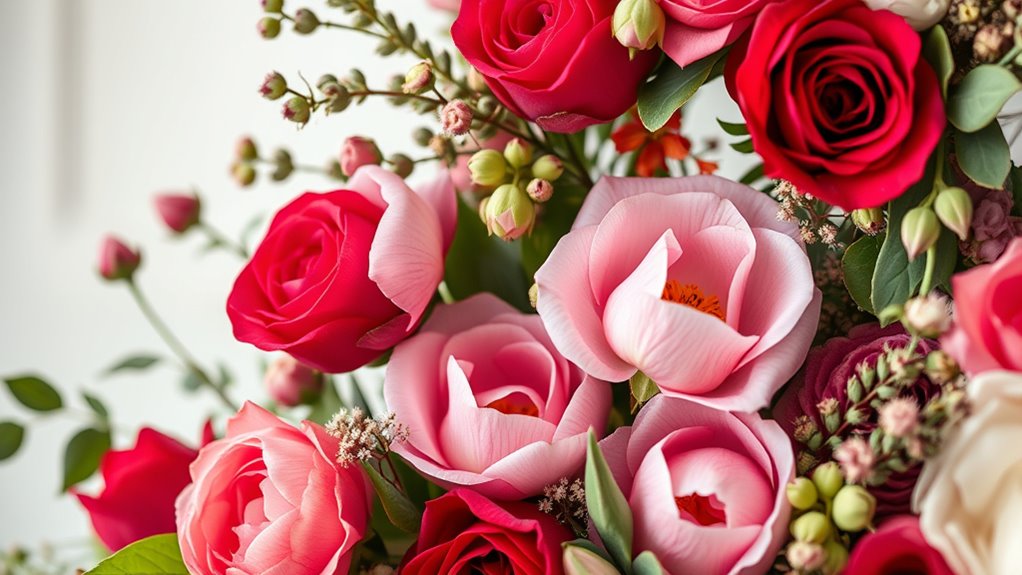

Floral typography combines beautiful flowers with expressive lettering, turning words into vibrant, organic art. You can create these designs by starting with calligraphy or bold fonts and adding layers of floral details like vines, blossoms, and foliage. This style offers versatility, from soft, romantic looks to modern, geometric patterns. By blending botanical elements with your lettering, you can craft designs full of life and personality—if you keep exploring, you’ll discover more tips to elevate your floral typography skills.
Key Takeaways
- Floral typography merges botanical elements with letterforms to create visually engaging, organic text designs.
- Techniques include starting with calligraphy and layering flowers and foliage for a harmonious composition.
- Styles range from soft, romantic scripts to bold, geometric patterns, adaptable to various design projects.
- Botanical symbols like flowers and leaves can add storytelling layers and symbolic meaning to the typography.
- Combining flowers with lettering elevates words into vibrant, expressive art, highlighting natural beauty and creative expression.

Have you ever noticed how floral typography combines the beauty of nature with the power of words? It’s a captivating way to blend visual art with language, creating designs that feel both organic and expressive. When you explore this style, you’ll quickly see how botanical patterns can breathe life into your lettering, transforming simple words into lush, vibrant compositions. Using botanical patterns as a foundation, you can craft letters that mimic the delicate curves of petals, the intricate veins of leaves, or the wild chaos of a blooming garden. This connection to nature adds depth and personality to your work, making each piece uniquely engaging.
To achieve this, mastering various lettering techniques is essential. You might start with basic calligraphy, then gradually add layers of floral detail, intertwining flowers and foliage with your letterforms. The key is to strike a balance—letting the botanical elements enhance the text without overpowering it. You could incorporate elements like vines wrapping around the letters or tiny blossoms embellishing the corners. These techniques require a keen eye for detail and patience, but the results are worth it. They turn plain typography into a living, breathing artwork that captures the eye and sparks curiosity.
Mastering calligraphy and floral details elevates typography into vibrant, captivating living art.
When you experiment with floral typography, you’re not limited to one style. You can go for a soft, romantic look with flowing script intertwined with roses and wispy leaves, or create a bold, modern vibe using geometric shapes combined with stylized botanical patterns. The versatility of this style allows you to adapt it to any project—be it branding, invitations, or murals. The secret lies in choosing the right lettering techniques and botanical patterns that align with your vision. For example, stippling or shading can add depth and texture, mimicking the natural variations found in real flowers and foliage.
Furthermore, integrating botanical patterns into your lettering isn’t just about decoration; it’s about storytelling. Each flower or leaf can symbolize something, adding layers of meaning to your design. As you develop your skills, you’ll learn how to make these floral elements seamlessly merge with your letterforms, creating compositions that are both harmonious and dynamic. Whether you’re hand-drawing each element or using digital tools, the goal is to craft a piece that feels alive, vibrant, and full of natural beauty.
In essence, floral typography invites you to see words as living art, where botanical patterns and lettering techniques come together to create something truly special. It’s a perfect way to celebrate nature’s beauty while expressing your creative voice.
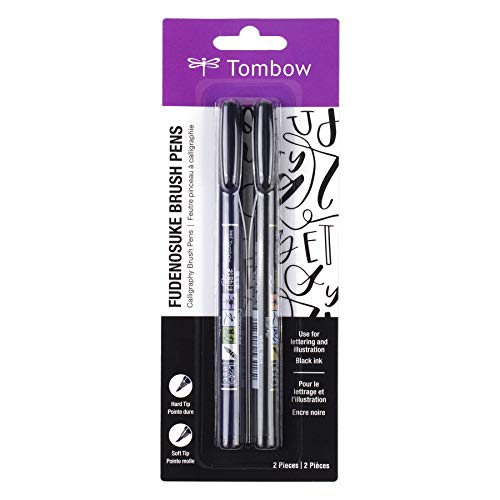
Tombow 62038 Fudenosuke Brush Pen, 2-Pack. Soft and Hard Tip Fudenosuke Brush Pens for Calligraphy and Art Drawings
Contains both the soft and hard tip Fudenosuke Brush Pens
As an affiliate, we earn on qualifying purchases.
As an affiliate, we earn on qualifying purchases.
Frequently Asked Questions
What Are the Best Flowers for Floral Typography Designs?
You should choose flowers like roses, peonies, and daisies for floral typography designs. Roses symbolize love, peonies represent prosperity, and daisies convey innocence, adding meaningful flower symbolism to your work. Opt for vibrant color combinations like reds and pinks or soft pastels to make your letters stand out. These flowers and colors help create eye-catching, expressive designs that communicate emotions effectively, making your typography both beautiful and meaningful.
How Long Does Floral Typography Artwork Typically Last?
Your floral typography artwork can last from days to years, depending on durability considerations and preservation techniques. I once saw a floral sign that stayed vibrant for over a year thanks to sealed preservation methods. To extend its lifespan, you should use dried or pressed flowers and apply sealants. Proper care, like avoiding direct sunlight and humidity, helps maintain the beauty and integrity of your design longer.
Can Floral Typography Be Customized for Special Occasions?
Yes, you can definitely customize floral typography for special occasions. You’ll love how personalized floral motifs match your event’s theme, adding a unique touch. Seasonal customization options allow you to incorporate flowers that are in bloom or meaningful during that time of year. Whether it’s a wedding, birthday, or anniversary, customizing your floral typography makes your celebration more memorable and visually stunning, reflecting your personal style perfectly.
What Tools Are Recommended for Creating Floral Lettering?
Creating floral lettering is like painting a garden in the sky, and you’ll want the right tools to bring it to life. Use digital brushes to add delicate, realistic flower details and floral templates as a guide to maintain consistency. These tools help you craft intricate designs, blending nature’s beauty with artistic skill. With them, you can easily customize your floral typography for any occasion, making your message bloom vividly.
Are There Eco-Friendly Options for Floral Typography Projects?
Yes, you can choose eco-friendly options for floral typography projects. Opt for sustainable floral sources like locally grown or organic flowers to reduce environmental impact. Use biodegradable decoration options such as natural twine, paper, or plant-based adhesives. These choices help minimize waste and support eco-conscious practices, making your floral lettering both beautiful and sustainable. By selecting eco-friendly materials, you contribute to environmental preservation while creating stunning designs.
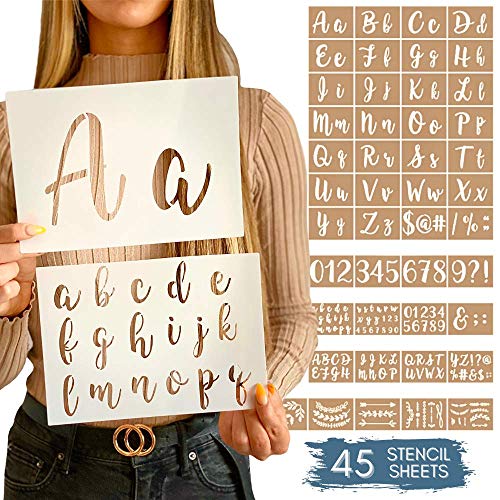
Boutique Calligraphy Stencil Template Kit | 45 Reusable Pieces | Lettering Upper, Lowercase, Large & Small | Numbers, Punctuation, Laurels and Flowers – For Arts Crafts Painting Wood (Calligraphy Kit)
⭐ [ THE COMPLETE PACKAGE! ] – Kit includes 2 full alphabet sets (large 4” & small 2”)…
As an affiliate, we earn on qualifying purchases.
As an affiliate, we earn on qualifying purchases.
Conclusion
Now that you’ve uncovered the art of floral typography, imagine what stunning designs you could create next. With flowers and lettering intertwined, a world of endless possibilities awaits your creativity. Will you choose bold, vibrant blooms or delicate, subtle accents? The choice is yours, and the beauty is in your hands. What masterpiece will you craft when you combine nature’s grace with your own unique style? The next breathtaking design is just a step away—are you ready to make it happen?

Escoda | Watercolour | Artist Set Fabio Cembranelli 1 | Size 10,14,18 | 3 Brushes | Synthetic tendo | Round mop
🎨 ARTIST-CURATED SET: Created with Brazilian watercolorist Fabio Cembranelli, this set includes his favorite round mop brushes for…
As an affiliate, we earn on qualifying purchases.
As an affiliate, we earn on qualifying purchases.

Flowers Leaves Clear Stamps for Card Making Decoration and DIY Scrapbooking
High-quality clear stamps for paper crafting
As an affiliate, we earn on qualifying purchases.
As an affiliate, we earn on qualifying purchases.